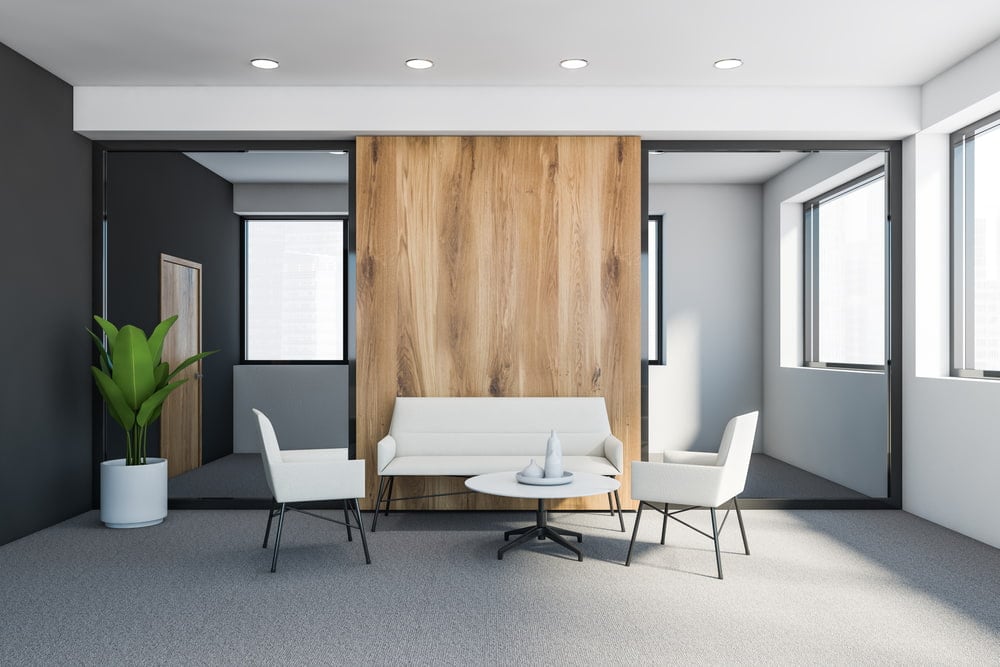
Your office waiting area is the first thing visitors see. It sets the tone for their entire experience.
But how do you make sure it feels welcoming, comfortable, and professional all at once? You want your guests to feel relaxed the moment they walk in, not bored or uneasy. This guide will show you simple, effective ways to decorate your waiting area so it leaves a lasting positive impression.
Keep reading to discover easy tips that will transform your space and make every visitor feel right at home.
Choosing The Right Furniture
Choosing the right furniture sets the tone for your office waiting area. It shapes the first impression for visitors and clients. The furniture must blend comfort, style, and practicality. This balance creates a welcoming and professional space. Thoughtful furniture choices also optimize the available space and ensure durability for daily use.
Comfort Meets Style
Comfort is key in any waiting area. Visitors appreciate soft cushions and supportive seating. Stylish furniture enhances the overall look of the space. Choose pieces that complement your office décor. Aim for designs that invite relaxation and make waiting pleasant. A mix of chairs, sofas, and ottomans works well.
Space-saving Options
Small waiting areas need smart furniture choices. Compact chairs and benches save floor space. Multi-functional furniture, like storage ottomans, adds utility. Arrange seating to allow easy movement. Use slim profiles to avoid overcrowding. Space-saving designs keep the area neat and open.
Durable Materials
Durability matters for furniture in busy waiting areas. Select materials that resist stains and wear. Leather and high-quality fabric are great options. Frames made of metal or solid wood last longer. Easy-to-clean surfaces reduce maintenance time. Durable furniture keeps the area looking fresh over time.

Credit: rochoff.com
Color Schemes That Impress
Choosing the right colors for an office waiting area sets the mood instantly. Colors can make visitors feel calm, energized, or welcome. A well-planned color scheme creates a positive first impression. It also reflects the company’s personality and style. Here are key ideas to help you pick colors that impress and engage visitors.
Neutral Palettes
Neutral colors offer a clean, timeless look. Shades like beige, gray, and soft white create a calm space. They make the area feel open and fresh. Neutral palettes also match many furniture styles and decor pieces. Use different textures to add depth and warmth to the space. This choice appeals to a wide range of visitors.
Bold Accent Walls
An accent wall adds energy without overwhelming the room. Choose a bold color such as deep blue, rich green, or vibrant red. This draws attention and creates a focal point. Accent walls work best on one side of the waiting area. Pair the bold color with neutral tones on other walls for balance. This technique adds personality and style.
Color Psychology
Colors affect how people feel and behave. Blue often brings calm and trust. Green suggests balance and nature. Yellow can boost happiness and creativity. Red may increase energy but should be used sparingly. Think about the emotions you want visitors to experience. Select colors that support those feelings to create a welcoming space.
Lighting For Ambiance
Lighting sets the mood in an office waiting area. It creates a welcoming, calm space. Proper lighting helps visitors feel relaxed and comfortable. It also highlights design elements and improves the room’s overall look. Choosing the right lighting balances function and style, enhancing the waiting experience.
Natural Light Benefits
Natural light brightens the space with soft, warm tones. It reduces eye strain and boosts mood. Large windows or glass doors bring in daylight. Natural light makes the area feel open and fresh. It saves energy by cutting down on artificial light use.
Layered Lighting Ideas
Layered lighting adds depth and flexibility to the space. Combine ambient, task, and accent lights for balance.
- Ambient lighting provides overall brightness.
- Task lighting focuses on specific areas like reading spots.
- Accent lighting highlights artwork or plants.
This mix creates a cozy and functional environment. Dimmer switches help adjust light levels throughout the day.
Energy-efficient Fixtures
Energy-efficient lights save money and reduce environmental impact. LED bulbs use less power and last longer. Choose fixtures with good design and durability. Sensors and timers help control lighting automatically. This keeps the waiting area bright without wasting energy.

Credit: www.officechairsunlimited.com
Incorporating Art And Decor
Incorporating art and decor in an office waiting area creates a warm and inviting space. It reflects the company’s personality and sets a positive tone for visitors. Thoughtful decoration helps reduce anxiety and boredom while waiting.
Choosing the right pieces can make the waiting area feel lively and comfortable. Art and decor also provide visual interest and spark conversations. Careful selection enhances the overall design and supports the office’s atmosphere.
Local Artwork
Local artwork adds a unique touch to the waiting area. It supports local artists and connects the space to the community. Visitors often appreciate seeing something original and meaningful.
Choose pieces that match the office’s style and colors. Paintings, prints, or photographs can brighten blank walls. Rotating artwork regularly keeps the space fresh and engaging.
Sculptures And Plants
Sculptures bring texture and depth to the room. Small, tasteful sculptures can fit on tables or shelves. They create focal points without overwhelming the area.
Plants improve air quality and add natural beauty. Use low-maintenance plants that thrive indoors. Greenery softens the space and makes it feel more relaxing.
Combine sculptures and plants to balance art and nature. Group items in clusters for visual appeal. Keep pathways clear for easy movement.
Branding Elements
Branding elements reinforce the company’s identity in the waiting area. Use logos, colors, and themes that reflect the brand. This consistency builds trust and familiarity.
Display branded artwork or custom wall graphics. Incorporate subtle patterns or color schemes in furniture and decor. Keep branding tasteful to avoid a salesy feel.
Branded decor helps visitors remember the company. It creates a professional and cohesive look throughout the space.
Functional Accessories
Functional accessories enhance the waiting area’s purpose and comfort. They keep visitors engaged and create a welcoming environment. Smart choices improve the space without clutter.
Magazine Racks And Books
Magazine racks help organize reading materials neatly. Choose racks that match your office style. Offer a mix of magazines and books for diverse interests. Keep selections current and well-maintained. This small touch shows care and professionalism.
Digital Displays
Digital displays provide dynamic content for visitors. Use them to share news, promotions, or company information. Screens catch attention and reduce perceived wait times. Position displays at eye level for easy viewing. Regular updates keep content fresh and relevant.
Refreshment Stations
Refreshment stations offer drinks and snacks to guests. Include water, coffee, or tea for comfort. A tidy station invites visitors to relax. Use stylish containers and disposable cups for convenience. Well-stocked areas improve overall visitor experience.
Maximizing Space And Flow
Create an open layout to make the waiting area feel spacious and inviting. Arrange furniture to guide visitors smoothly through the space. Keep pathways clear to improve movement and comfort.
Maximizing Space and Flow in your office waiting area is more than just arranging furniture; it’s about creating an inviting and efficient environment that enhances the overall experience for visitors. How you design this space can significantly impact your clients’ first impressions. Imagine stepping into a waiting area where everything flows seamlessly, directing you effortlessly to where you need to be.
Traffic Patterns
Understanding the flow of movement is crucial. Observe how people naturally move through the space. It’s important to ensure pathways are clear and intuitive. Use markers or subtle signs to guide visitors to the reception desk or seating areas without confusion. Consider the placement of furniture to avoid bottlenecks. Think about how people enter and exit the room. Arrange seating to accommodate these patterns, ensuring there’s enough space for easy navigation. It’s not just about aesthetics; it’s about creating a functional space.
Zoning Techniques
Dividing the waiting area into zones can maximize its utility. Different zones can serve various functions, such as a quiet reading corner or a lively conversation nook. Use furniture, rugs, or plants to subtly define these spaces without disrupting the overall flow. Visual cues can help. A strategically placed plant or a change in flooring can signal a transition from one zone to another. This approach ensures each area serves a purpose and enhances the overall experience for visitors.
Multi-use Areas
In today’s dynamic workspaces, flexibility is key. Consider how your waiting area can serve multiple functions. A seating area can double as a mini meeting space with the addition of a small table. This adaptability ensures you’re making the most of every inch. Think about incorporating furniture that can be easily moved or rearranged. This flexibility allows you to adjust the space for different needs, whether it’s accommodating a larger group or creating a quiet area for individual focus. How can you maximize your space for versatility? Ultimately, every element in your waiting area should contribute to a seamless experience. Pay attention to details, and your clients will notice the effort you’ve put into making their visit comfortable and efficient.
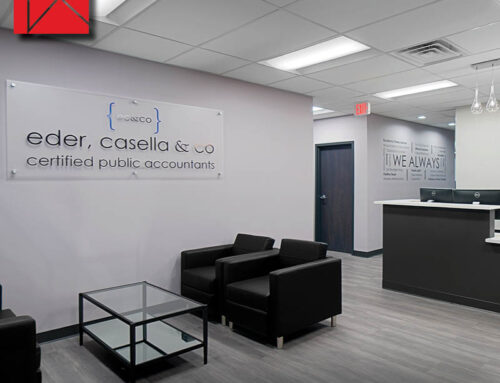
Credit: www.keyinteriors.us
Frequently Asked Questions
What Are The Best Colors For An Office Waiting Area?
Choose calming, neutral colors like soft blues, grays, or beiges. These colors create a welcoming and professional atmosphere. Avoid overly bright or dark tones that may feel overwhelming or uninviting.
How To Arrange Furniture In A Waiting Area?
Place seating to encourage comfort and easy movement. Arrange chairs in small groups with enough space between them. Add a coffee table or side tables for convenience and to enhance the space.
What Decor Items Enhance An Office Waiting Room?
Use artwork, plants, and magazines to make the area inviting. Choose minimalistic, tasteful decor that reflects your brand’s style. Avoid clutter to maintain a clean, organized look.
How To Make A Waiting Area More Comfortable?
Provide comfortable seating, good lighting, and temperature control. Offer amenities like Wi-Fi, charging stations, and refreshments. These small touches improve visitor experience and satisfaction.
Conclusion
A well-decorated office waiting area sets a positive first impression. It creates a welcoming and calm space for visitors. Simple furniture and soft colors help guests feel relaxed. Adding plants or art brings life and interest. Good lighting makes the area bright and inviting.
Remember, comfort and style should go hand in hand. Small details make a big difference in the overall look. Take time to plan and choose items carefully. A pleasant waiting area shows you care about visitors’ experience. It makes waiting less boring and more comfortable.