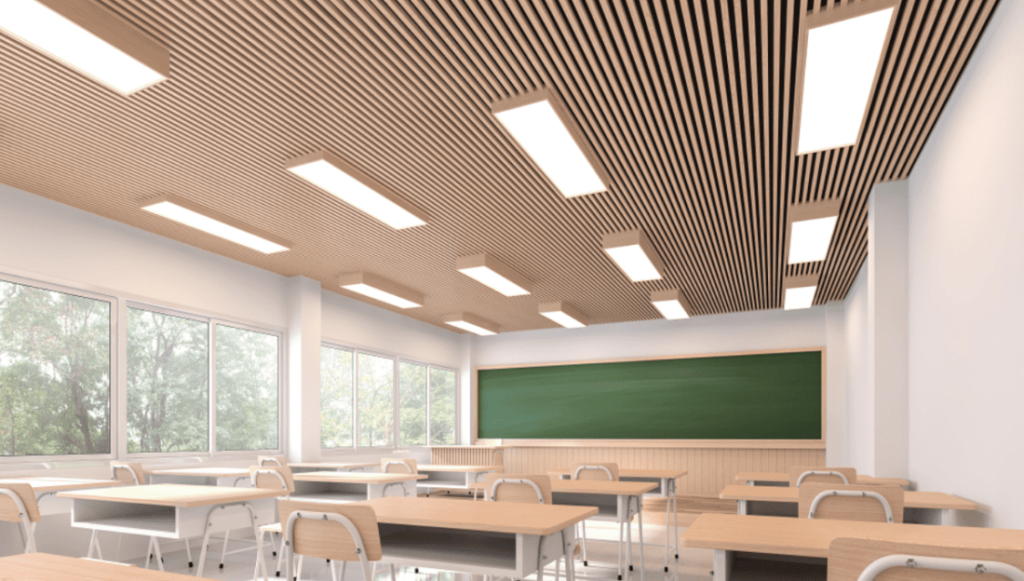
Are you looking to transform your classroom into a brighter, more inviting space? Decorating fluorescent lights can be a simple yet powerful way to boost your students’ mood and focus.
Imagine turning those plain, harsh lights into a source of creativity and comfort. You’ll discover easy and effective ideas to decorate your fluorescent lights, making your classroom feel warm and inspiring. Ready to make your classroom shine in a whole new way?
Keep reading to find out how!
Choosing The Right Fluorescent Lights
Choosing the right fluorescent lights sets the tone for a bright, welcoming classroom. The right lighting boosts focus and reduces eye strain for students. It also creates a pleasant space for both teaching and learning. Picking bulbs that fit your classroom needs helps save energy and cut costs.
Types Of Fluorescent Bulbs
Fluorescent bulbs come in various shapes and sizes. The most common types are T8 and T12 tubes. T8 bulbs are slimmer and use less power than T12. Compact fluorescent lamps (CFLs) are smaller and fit in regular light fixtures. Choose bulbs that fit your fixtures and provide enough light for the room.
Energy Efficiency Tips
- Select bulbs with high lumens per watt for better brightness.
- Use LED-compatible fluorescent bulbs to save more energy.
- Install dimmer switches or motion sensors to reduce unnecessary use.
- Replace old ballasts with electronic ones to improve efficiency.
Energy-efficient lighting reduces electricity bills and helps the environment.
Color Temperature Options
Color temperature affects the classroom’s mood and alertness. Fluorescent lights come in cool white, daylight, and warm white options.
- Cool white (4000K) offers bright, neutral light ideal for studying.
- Daylight (5000K-6500K) mimics natural sunlight and keeps students alert.
- Warm white (2700K-3000K) creates a cozy, calm atmosphere for reading.
Choose a color temperature that fits the classroom’s purpose and time of day.
Creative Light Placement Ideas
Brighten a classroom by arranging fluorescent lights along the ceiling edges or above whiteboards. Hanging colorful paper shades or adding soft diffusers can create a warm, inviting glow. Experiment with light placement to highlight learning areas and keep the room cheerful.
Decorating fluorescent lights in a classroom isn’t just about aesthetics; it’s about creating an environment that enhances learning and engagement. With creative light placement ideas, you can transform ordinary lighting into an extraordinary tool for stimulating minds and organizing spaces. Let’s explore how strategic light placement can redefine the classroom experience.Highlighting Learning Areas
Use lights to emphasize specific learning zones. Consider placing brighter lights over reading corners or project areas. This simple adjustment not only draws attention to these spaces but can also boost focus and productivity. Think about how you might use lighting to guide students’ attention. Perhaps you have a wall dedicated to student artwork or projects. By highlighting these areas with targeted lighting, you celebrate their achievements and encourage creativity.Creating Zones With Light
Divide the classroom into zones using different lighting intensities or colors. For instance, use warmer lights in areas meant for relaxation or discussion. Cooler lights can be reserved for tasks requiring concentration, such as writing or solving problems. Imagine the effect of entering a classroom where each zone is defined by its own unique lighting. Students intuitively understand where they should be for each activity, fostering a sense of order and purpose.Using Lights For Visual Focus
Lights can be a powerful tool to draw focus to important elements within the classroom. Position lights to spotlight key educational materials, such as charts or interactive boards. This not only helps in visual retention but also ensures these resources are never overlooked. Consider how lighting can help emphasize the day’s objectives or key lessons. Adjusting the light focus can subtly remind students of what’s important, without needing constant verbal reminders. By thinking creatively about light placement, you can transform your classroom into a dynamic learning environment. How will you use lighting to inspire and engage your students today?Decorative Fixtures And Covers
Decorative fixtures and covers transform plain fluorescent lights into creative classroom features. They soften harsh light and add color or theme. These simple changes can make the room feel more inviting. Decorating light fixtures helps set a fun, focused learning space.
Diy Light Covers
Create your own light covers with easy materials. Use colored paper, fabric, or translucent plastic sheets. Cut to fit the light panels and attach with tape or clips. Patterns like stars, clouds, or geometric shapes work well. Change covers seasonally for variety. This lets the light shine through softly and adds charm.
Themed Light Fixtures
Choose light fixtures that match your classroom theme. For example, nature themes can use leaf or flower designs. Space themes can include planets or stars around lights. Purchase clip-on decorations or make paper cutouts to hang nearby. Themed fixtures create a cohesive look. They encourage imagination and make the room exciting.
Safety Considerations
Always ensure decorations do not block airflow around lights. Avoid flammable materials near fluorescent bulbs. Secure covers firmly to prevent falling. Check fixtures regularly for damage or overheating. Use non-toxic materials safe for children. Proper care keeps the classroom safe and comfortable while decorating.

Credit: www.tiktok.com
Incorporating Color And Patterns
Adding color and patterns to fluorescent lights can transform a dull classroom into a lively learning space. It’s not just about brightening the room but creating an environment that sparks curiosity and focus. You have the power to change how students feel and engage simply by adjusting the light atmosphere.
Colored Light Filters
Colored light filters are an easy way to add vibrant hues to your fluorescent lights. These thin sheets come in various shades like blue, green, red, and yellow, and you can cut them to fit your light fixtures perfectly.
Try layering different colors to create a unique tint or mood. For example, a soft blue filter can calm a busy classroom, while a warm yellow might boost energy and creativity. Have you thought about how changing the light color might influence your students’ focus?
Patterned Light Effects
Using patterned filters or stencils over your fluorescent lights adds dynamic shapes and textures to the room. Patterns like stars, leaves, or geometric designs can cast interesting shadows and make the space visually stimulating.
Consider rotating or swapping patterns monthly to keep the environment fresh and exciting. Kids often respond well to visual changes, and it might even inspire them to create their own patterns for the classroom lighting.
Combining Lights With Wall Art
Pairing colored and patterned lights with wall art creates a cohesive and immersive atmosphere. For instance, if your classroom theme is nature, use green and blue filters along with leaf or water-themed murals.
Try positioning lights to highlight specific pieces of art or student projects. This technique not only brightens the space but draws attention to important displays, encouraging pride and participation.
Interactive Lighting Ideas
Interactive lighting can transform your classroom into a dynamic learning space. It invites students to engage directly with their environment, making lessons more memorable. When you use fluorescent lights creatively, you can boost curiosity and participation effortlessly.
Light-responsive Decorations
Try adding decorations that change or glow when the fluorescent lights turn on. Think about using glow-in-the-dark paint or stickers that react to UV light. You can also hang translucent colored films on light fixtures to cast playful hues around the room.
These subtle changes catch students’ attention and encourage them to observe how light affects colors and shapes. Have you noticed how kids naturally stop and look when something unexpected happens with lighting? That moment is your chance to spark a question or start a discussion.
Student-created Light Projects
Invite students to build their own light projects using simple materials like LED strips, colored cellophane, or even recycled plastic bottles. This hands-on activity helps them understand light properties while expressing creativity. Display their creations around fluorescent fixtures to blend natural and artificial lighting effects.
During one class, I saw students light up when their projects actually illuminated the room differently. This direct involvement deepens their connection to the subject and classroom environment. How could you encourage your students to experiment with light in a way that feels personal to them?
Using Lights For Classroom Activities
Use your fluorescent lights as tools in games or learning exercises. For example, switch lights on and off as signals during quizzes or storytelling sessions. You can also use colored filters to create zones within the room, assigning different tasks or subjects to each light color.
This approach keeps energy high and breaks the monotony of sitting still for long periods. Students become more aware of how light affects focus and mood. What new activities could you design that depend on light cues to guide learning?

Credit: www.amazon.com
Maintaining And Upgrading Lights
Maintaining and upgrading fluorescent lights keeps the classroom bright and energy efficient. Good lighting helps students focus and improves the learning environment. Regular care and smart upgrades extend the life of your lights and reduce costs.
Regular Cleaning Tips
Dust and dirt dim fluorescent lights and lower brightness. Clean fixtures at least once a month. Use a soft cloth or duster to remove dust gently. Avoid harsh chemicals; a mild soap solution works well. Turn off lights before cleaning to stay safe.
Replacing Bulbs Safely
Fluorescent bulbs contain small amounts of mercury. Handle them with care to avoid breakage. Wear gloves and use a ladder for high fixtures. Dispose of old bulbs according to local rules. Replace bulbs in pairs to keep light even and balanced.
Upgrading To Led Options
LED lights save energy and last longer than fluorescent bulbs. They produce less heat and offer better light quality. Swap fluorescent tubes with LED equivalents for easy upgrades. Choose LEDs with a color temperature that suits classrooms. This change lowers electricity bills and maintenance work.

Credit: www.tiktok.com
Frequently Asked Questions
How Can Fluorescent Lights Be Safely Decorated In Classrooms?
Use lightweight, non-flammable materials to avoid fire risks. Keep decorations away from bulbs and vents. Secure items firmly to prevent falling. Avoid blocking light to maintain proper illumination for learning.
What Materials Work Best For Decorating Fluorescent Lights?
Opt for paper, fabric, or plastic with low heat resistance. Use adhesive hooks or clips instead of tape. Avoid heavy or metallic decorations that can damage fixtures or cause electrical hazards.
How Do Decorations Impact Classroom Lighting Quality?
Decorations may reduce brightness or create shadows. Choose translucent materials to maintain light diffusion. Regularly check lighting levels to ensure a comfortable learning environment.
Can Decorating Fluorescent Lights Improve Classroom Ambiance?
Yes, tasteful decorations add color and warmth, making the space inviting. They can boost student engagement and creativity if done thoughtfully and safely.
Conclusion
Decorating fluorescent lights can brighten any classroom space. Simple ideas bring color and warmth to cold lighting. Use safe materials to keep the room secure. Small changes make a big difference in mood and focus. Encourage students to join in the decorating fun.
A well-lit, cheerful room helps learning feel easier. Try different styles to find what suits your class best. Keep decorations neat to avoid distractions during lessons. Bright, inviting classrooms create a happy place to learn.