Your large living room and dining room walls hold so much potential. But filling those big spaces can feel overwhelming.
How do you avoid leaving them bare or cluttered? How do you create a look that feels cozy, stylish, and truly yours? If you’ve ever stared at a huge wall wondering where to start, this guide is made for you.
You’ll discover simple, effective ideas that transform your space without breaking the bank. Ready to turn those empty walls into the highlight of your home? Keep reading—your perfect room makeover starts here.
Choosing The Right Wall Colors
Choosing the right wall colors is crucial when decorating large living and dining room walls. The colors set the mood and can dramatically affect how spacious or cozy your rooms feel. Think about how you want to experience your space daily before picking a shade.
Neutral Shades For Spacious Feel
Neutral colors like soft whites, light grays, and beige instantly make large rooms feel more open and airy. These shades reflect natural light, enhancing the sense of space and calm. I once painted my dining area in a pale gray, and it made everything look brighter and more inviting without overwhelming the room.
Consider pairing neutral walls with colorful decor or artwork. This way, you maintain a clean backdrop that keeps the room feeling uncluttered and spacious.
Bold Colors To Create Focus
Choosing a bold color can add personality and create a focal point in your large living or dining area. Deep blues, rich greens, or even vibrant reds can anchor your space and draw attention to specific walls. I painted one wall in my living room navy blue, and it instantly transformed the vibe, making the room feel cozy and stylish.
Don’t be afraid to balance bold walls with lighter furniture and accessories. This contrast keeps the room from feeling too dark or heavy.
Accent Walls And Textures
Accent walls let you mix color and texture, adding depth without overwhelming the room. Think about using wallpaper, wood panels, or textured paint on one wall to create interest. I added a textured wallpaper behind my dining table, which gave the space character and made the wall a conversation starter.
Ask yourself which wall naturally draws the eye—behind the sofa or the dining table? That’s often the best spot for an accent wall.

Credit: designingvibes.com
Incorporating Art And Wall Decor
Art and wall decor can transform your large living and dining room walls from bare to breathtaking. They add personality, create focal points, and bring warmth to expansive spaces. Choosing the right pieces and arrangements can make your rooms feel inviting and well-balanced.
Gallery Walls And Frames
Gallery walls give you the chance to showcase multiple artworks or photos together. Arrange different sizes and styles of frames to create visual interest without overcrowding the space.
Try mixing black and white photos with colorful prints for contrast. Don’t hesitate to leave some white space around the frames; it helps the display breathe and prevents it from feeling cluttered.
Have you ever noticed how a well-curated gallery wall sparks conversations? It’s a great way to share your story through art.
Large-scale Artwork
Large paintings or prints make a bold statement on expansive walls. One oversized piece can anchor the room and draw attention without overwhelming the space.
Pick artwork that complements your room’s color palette to create harmony. Position it at eye level so it becomes the natural focal point of your seating or dining area.
Consider how a single dramatic piece can simplify decorating decisions by reducing the need for many smaller items.
Mirrors For Light And Space
Mirrors do more than just reflect your image—they amplify light and open up the room visually. Placing a large mirror on a wall opposite a window can brighten even the darkest corners.
Choose mirrors with interesting frames to add a decorative touch. Round or uniquely shaped mirrors can soften the sharp lines of furniture and add dimension.
Have you tried using mirrors to create the illusion of more space? It’s a smart trick that works wonders in large, sometimes empty-feeling rooms.
Using Shelves And Storage
Shelves and storage bring life to large living and dining room walls. Display books, plants, or art to add charm and keep things tidy. Open shelves create a cozy feel, while closed storage hides clutter effectively.
Decorating large living room and dining room walls can be challenging. Shelves and storage offer practical and stylish solutions. They help organize and display items, adding character to your space. With the right choices, you can transform a blank wall into an eye-catching feature.Floating Shelves For Display
Floating shelves provide a sleek look. They are versatile and easy to install. Use them to showcase art, photos, or collectibles. Arrange different sizes and shapes for variety. Paint them to match your room’s theme. Floating shelves create a dynamic display without clutter.Built-in Cabinets And Bookcases
Built-in cabinets offer custom storage solutions. They maximize space and blend with the room’s design. Use them for books, dishes, or decor. Choose glass doors for a modern touch. Built-in units can define areas in open-plan spaces. They add depth and elegance.Decorative Storage Solutions
Decorative storage can be both functional and stylish. Consider baskets, bins, or boxes with patterns. They store items neatly while adding texture. Mix materials like wood and metal for contrast. Use storage as part of the decor. Decorative solutions keep your space tidy and appealing.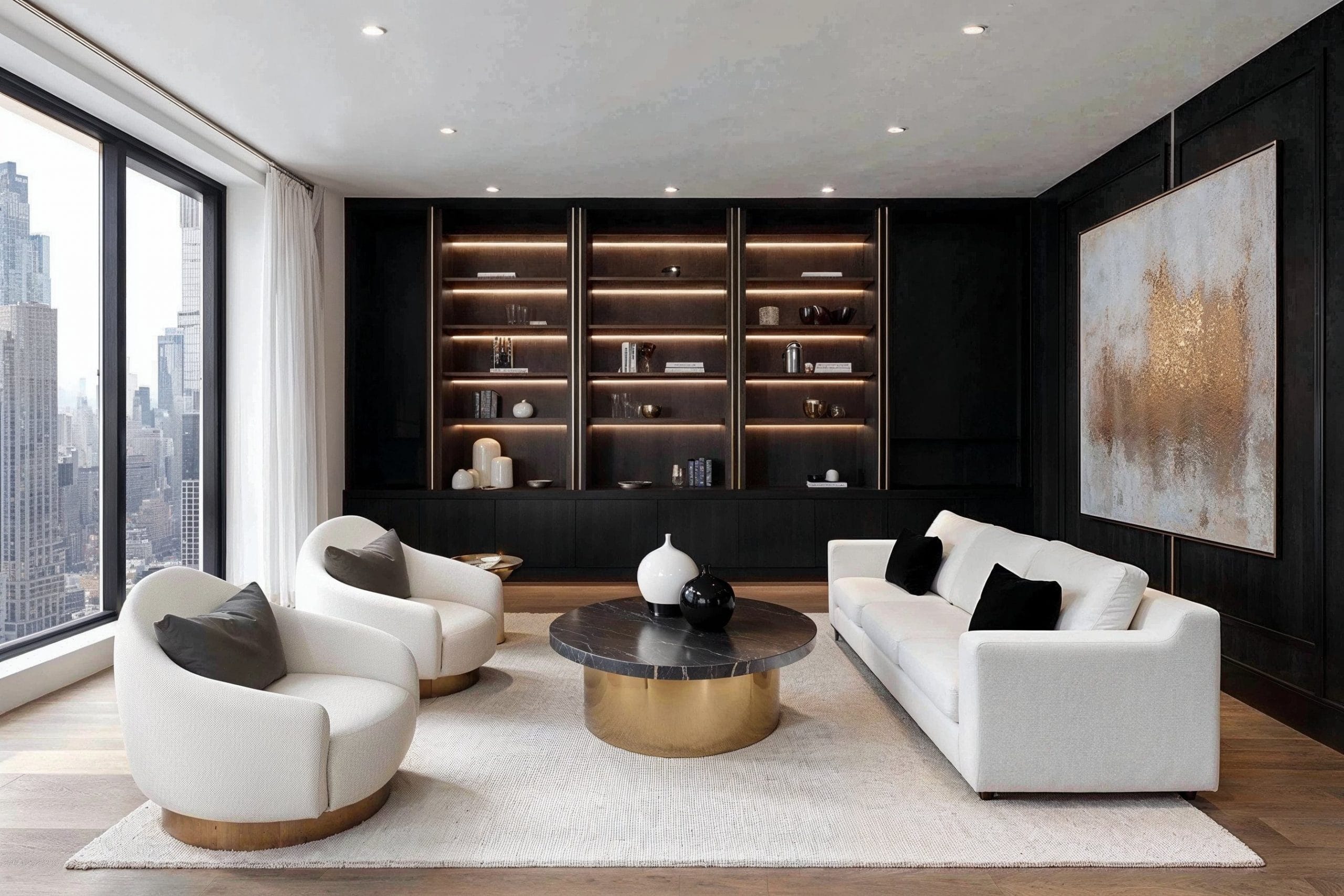
Credit: www.decorilla.com
Adding Architectural Elements
Adding architectural elements to your large living and dining room walls can transform a plain space into a stunning focal point. These features create depth and texture, making the room feel more inviting and unique. They allow you to play with shadows and highlights, giving your walls a personality that flat paint alone cannot achieve.
Wall Paneling And Molding
Wall paneling and molding add classic charm and structure to your walls. You can choose simple, clean lines for a modern look or go for intricate designs to add elegance.
Think about adding wainscoting or picture frame molding to break up large wall spaces. This creates visual interest and can even protect your walls from everyday wear. You might be surprised how much a few strips of wood can elevate your room’s style.
Exposed Brick Or Stone
Exposed brick or stone walls bring a natural, rugged texture to your space. If your home already has these features, highlight them by keeping them clean and well-lit.
For walls without this, consider installing thin stone veneers or brick tiles. This adds warmth and an organic feel to your room that contrasts beautifully with soft furnishings.
Wall Niches And Recesses
Wall niches and recesses offer a clever way to add depth without sacrificing floor space. These can serve as display areas for art, plants, or collectibles, turning your walls into mini galleries.
Try lighting these niches with small LED strips to make your displayed items pop. It’s a practical upgrade that also adds a touch of sophistication to your large living or dining room.
Incorporating Lighting Features
Lighting can completely change how your large living room and dining room walls look and feel. It adds depth, highlights textures, and creates an inviting atmosphere. Think about how you want your space to feel—cozy, bright, or dramatic—and choose lighting that helps you achieve that mood.
Wall Sconces And Lamps
Wall sconces are fantastic for adding soft, ambient light without taking up floor space. You can place them strategically to highlight artwork or architectural features on your walls. Lamps, especially tall floor lamps, bring warmth and can act as decorative pieces themselves.
Consider dimmable sconces so you can adjust the mood easily. If your walls feel bare, a pair of matching sconces can create symmetry and balance. Have you tried mixing vintage and modern sconces? It can add unexpected character to your room.
Led Strips And Accent Lighting
LED strips offer a sleek, contemporary way to add light along shelves, under cabinets, or around wall edges. They are energy-efficient and versatile, perfect for drawing attention to textures like brick or wood paneling. Accent lighting works well to create layers, making your large walls feel less overwhelming.
You can even install LED strips behind floating shelves to make objects pop. Think about using color-changing LEDs for a fun twist that suits different occasions. What if your lighting could shift from bright work light to soft evening glow with just a tap?
Chandeliers And Pendant Lights
A statement chandelier or a series of pendant lights can act as a focal point over your dining table or in the center of the living room. These fixtures add elegance and personality, drawing eyes upward and emphasizing your room’s height. Choose designs that complement your room’s style, whether it’s sleek and modern or rustic and cozy.
Make sure the scale fits your space—too small, and it gets lost; too large, and it overwhelms. Have you thought about layering pendant lights at different heights for visual interest? This approach can add dynamic charm without cluttering your walls.

Credit: designingvibes.com
Using Textiles And Wall Hangings
Textiles and wall hangings bring warmth and texture to large living and dining room walls. They soften hard surfaces and create a cozy atmosphere. Using fabric-based decor helps fill empty spaces without cluttering the room. Textiles also add color, pattern, and personality to your walls.
Choosing the right textile art can highlight your room’s style. Lightweight fabrics and natural fibers work well to keep the space fresh. These pieces can be easily changed to update your decor. Textiles also improve sound quality by absorbing noise in large areas.
Tapestries And Fabric Art
Tapestries make bold statements on big walls. They come in many styles, from traditional to modern. Large, colorful tapestries draw the eye and add interest. Fabric art with abstract designs fits well in minimalist spaces. Hang tapestries using rods or clips for easy swapping. They can cover imperfections or blank spots effectively.
Decorative Rugs On Walls
Rugs on walls create a unique look and add texture. Choose rugs with vivid patterns or soft muted tones. Mount rugs with sturdy hooks or frames to keep them secure. This approach works well for rooms with high ceilings. Rugs also bring warmth and comfort visually. Use rugs to introduce cultural or vintage vibes.
Macramé And Woven Pieces
Macramé and woven wall hangings add handmade charm. Their intricate knots and patterns provide visual depth. These pieces suit boho or rustic interior styles perfectly. Lightweight macramé can be hung on nails or hooks easily. Layer multiple woven items for a textured gallery effect. Natural fibers like cotton or jute enhance the organic feel.
Creating Functional Wall Zones
Creating functional wall zones in large living and dining rooms helps you make the most of the space without it feeling empty or overwhelming. Dividing walls into specific areas allows you to add purpose and style simultaneously. This approach keeps your room organized and visually interesting, making every inch count.
Dining Room Focal Points
Your dining room wall can become a natural gathering spot with a well-chosen focal point. Consider a large piece of art or a statement mirror to draw attention and add personality. You might also use a bold wallpaper or a textured panel behind the dining table to anchor the space.
Adding floating shelves with decorative plates, plants, or candles can create layers of interest. Think about lighting too—sconces or picture lights highlight your focal point while creating a cozy atmosphere. What kind of vibe do you want your dining area to give off when guests arrive?
Living Room Entertainment Walls
The living room wall that holds your TV or entertainment system deserves special attention. Mount your TV on a wall with built-in cabinets or shelves around it to keep media devices and decor neatly organized. This setup turns a simple wall into a stylish and practical entertainment hub.
Use different materials like wood, stone, or metal panels to add texture without clutter. You can even paint the wall a contrasting color to make your TV stand out while creating a warm backdrop. How can you balance technology with aesthetics so your living room feels inviting, not like an electronics showroom?
Multi-use Wall Spaces
Large walls offer a chance to combine different functions in one area. Create zones that serve more than one purpose, such as a reading nook with wall-mounted bookshelves next to the dining area. This approach maximizes your wall space without crowding the floor.
Try adding a fold-down desk or a bench with storage underneath to blend utility and comfort. Use hooks or pegboards for organizing keys, bags, or kitchen tools if your space connects to the entry or kitchen. What practical needs does your wall need to meet while still looking good?
Mixing Styles And Personal Touches
Mixing styles and adding personal touches can transform large living and dining room walls from bland to breathtaking. It allows you to show who you are while creating a space that feels balanced and interesting. Thoughtful combinations and meaningful pieces invite conversation and make your home truly yours.
Combining Modern And Classic Elements
Pair sleek, modern frames with vintage mirrors or classic paintings to create contrast. This blend keeps your walls dynamic without feeling cluttered.
Try hanging a bold abstract print next to an ornate gold-framed portrait. The mix of clean lines and intricate details draws the eye and adds depth.
Ask yourself: what modern piece can soften a traditional look, or what classic element can warm up a minimalist space? Experiment until you find a balance that feels right.
Incorporating Travel And Memory Pieces
Display souvenirs, photos, or textiles from your travels to add a personal story to your walls. These items often carry emotional value that enriches the room’s atmosphere.
Group small items like postcards or masks in a gallery wall arrangement to keep things organized yet visually engaging.
Think about the stories behind your collection. How can these memories influence the mood you want in your living or dining area?
Custom Art And Diy Projects
Creating your own artwork or wall decor adds uniqueness and a sense of accomplishment to your space. Even simple projects like painted canvases or framed fabric can make a big impact.
Use DIY projects to match your color scheme or theme perfectly, ensuring every piece fits your vision.
Consider involving family members in making wall art—it becomes a shared memory and adds warmth to the room. What personal touch could you create that tells your story?
Frequently Asked Questions
How To Choose Art For Large Living Room Walls?
Select oversized or grouped art pieces to fill space. Use bold colors and themes that match your room style. Large frames or a gallery wall create visual interest and balance the room’s scale effectively.
What Wall Colors Suit Large Living And Dining Rooms?
Light, neutral colors like beige or soft gray open up space. Bold hues can add drama but balance with lighter furniture. Choose colors that complement your décor and enhance natural light.
How To Add Texture To Big Wall Spaces?
Incorporate textured wallpaper, wooden panels, or fabric hangings. Use shelves with decorative items or plants for depth. Textures break monotony and add warmth to large walls.
Can Mirrors Enhance Large Living And Dining Room Walls?
Yes, mirrors reflect light and create an illusion of more space. Use large or grouped mirrors to add dimension. Place them opposite windows for maximum effect.
Conclusion
Decorating large living and dining room walls can feel tough. Choose pieces that fit the space well. Mix art, mirrors, and shelves for interest. Use colors that match your room’s style. Keep balance so walls don’t look crowded or empty.
Remember, simple ideas often create the best results. Your walls can show your personality clearly. Enjoy the process and make your space feel warm. Small changes can bring big impact and comfort. Make your home a place you love.