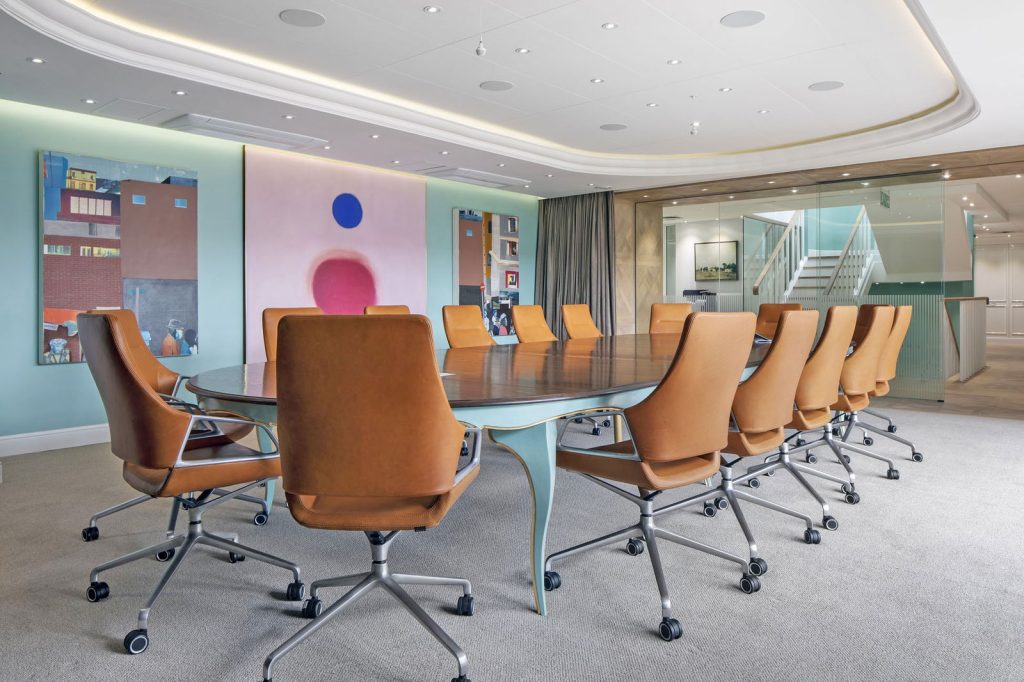
Your office conference room is more than just a place for meetings—it’s where ideas come to life and decisions shape your business. How you decorate this space can boost creativity, improve focus, and make every meeting more productive.
If you want your conference room to inspire confidence and collaboration, you’re in the right place. Keep reading to discover simple, effective ways to transform your conference room into a space that works for you and your team.
Choosing The Right Color Scheme
Choosing the right color scheme for your office conference room can change the entire atmosphere. Colors influence mood, productivity, and even communication styles. Selecting hues that align with your team’s needs can make meetings more effective and enjoyable.
Colors That Boost Focus
Blue is a top choice for enhancing concentration. It creates a sense of calm and helps reduce stress, making it easier to stay on task during long discussions. If you want to encourage creativity alongside focus, shades of green work well as they are easy on the eyes and promote balance.
Too many bright colors can distract rather than help. Instead, use accent colors like soft yellows or muted oranges sparingly to add energy without overwhelming the senses. Have you noticed how your attention shifts in a brightly colored room versus one with cooler tones?
Calming Vs Energizing Tones
Deciding between calming and energizing tones depends on the purpose of your conference room. If your meetings are brainstorming sessions, warmer tones like orange or red can stimulate energy and enthusiasm. But for strategy or review meetings, calming colors like light gray or beige might help keep everyone grounded.
Think about the mood you want to set. Do you want your team to feel relaxed and open or alert and dynamic? Mixing these tones thoughtfully, such as a neutral base with bright accents, can balance energy and calmness effectively.
Credit: www.lovethatdesign.com
Optimizing Lighting
Lighting shapes the mood and function of any conference room. It affects how people feel and perform during meetings. Optimizing lighting means balancing brightness and comfort. The right light keeps everyone alert and focused. Poor lighting causes eye strain and tiredness. This section explores ways to use natural and artificial light best.
Natural Light Benefits
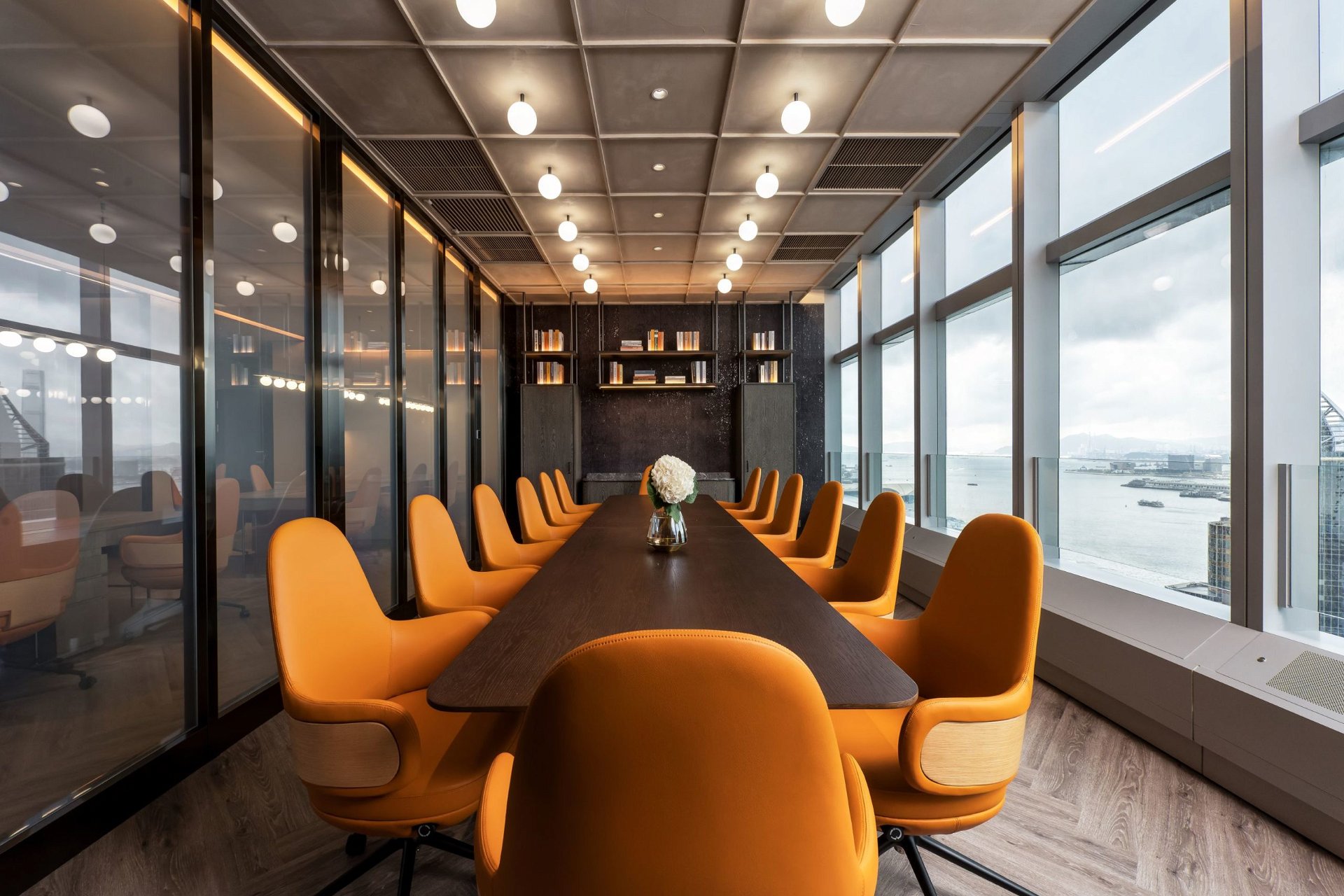
Natural light improves mood and energy levels. It reduces stress and boosts creativity. Rooms with windows feel more open and inviting. Natural light also helps regulate the body’s internal clock. This leads to better focus and productivity.
- Place tables near windows to maximize daylight.
- Use light-colored walls to reflect sunlight.
- Keep windows clean for clearer light entry.
- Install blinds to control glare and heat.
Natural light saves electricity and lowers energy costs. It creates a warm, welcoming space for meetings.
Artificial Lighting Tips
Artificial lighting fills gaps when daylight is low. Choose lights that mimic natural daylight tones. Avoid harsh, flickering bulbs that cause discomfort. Use layered lighting to add depth and flexibility.
- Combine overhead lights with task lamps.
- Install dimmers to adjust brightness levels.
- Use LED bulbs for energy efficiency and longer life.
- Position lights to avoid shadows on faces.
Soft, even lighting helps participants stay alert. It creates a professional atmosphere that encourages engagement.
Selecting Functional Furniture
Choosing the right furniture for your office conference room can transform mundane meetings into productive collaborations. Imagine walking into a conference room that feels welcoming, comfortable, and efficient. The key is selecting furniture that balances function with style, ensuring your team feels at ease while staying focused on the task at hand. But how do you ensure your furniture choices meet these criteria?
Ergonomic Chairs And Tables
Comfort is crucial during long meetings. Ergonomic chairs provide the support your team needs to stay engaged. Look for chairs with adjustable height and lumbar support to accommodate various body types. Tables should be at a height that promotes natural posture, preventing fatigue.
I once visited a company that prioritized ergonomics in their conference room. The difference was palpable; meetings were more productive because everyone was comfortable and focused. Does your current setup inspire productivity, or does it lead to discomfort and distraction?
Flexible Seating Arrangements
Flexibility in seating arrangements fosters creativity and collaboration. Consider modular furniture that can be easily rearranged. This allows your team to adapt the space for different types of meetings, from brainstorming sessions to formal presentations.
A friend of mine, working in a tech startup, shared how their conference room’s flexible seating enabled spontaneous collaboration. Teams could quickly reconfigure the space to suit their needs, leading to innovative solutions. Could a change in your seating arrangement spark new ideas?
Reflect on how your furniture choices can support your team’s goals. What adjustments can you make today to enhance comfort and flexibility in your conference room?
Incorporating Technology
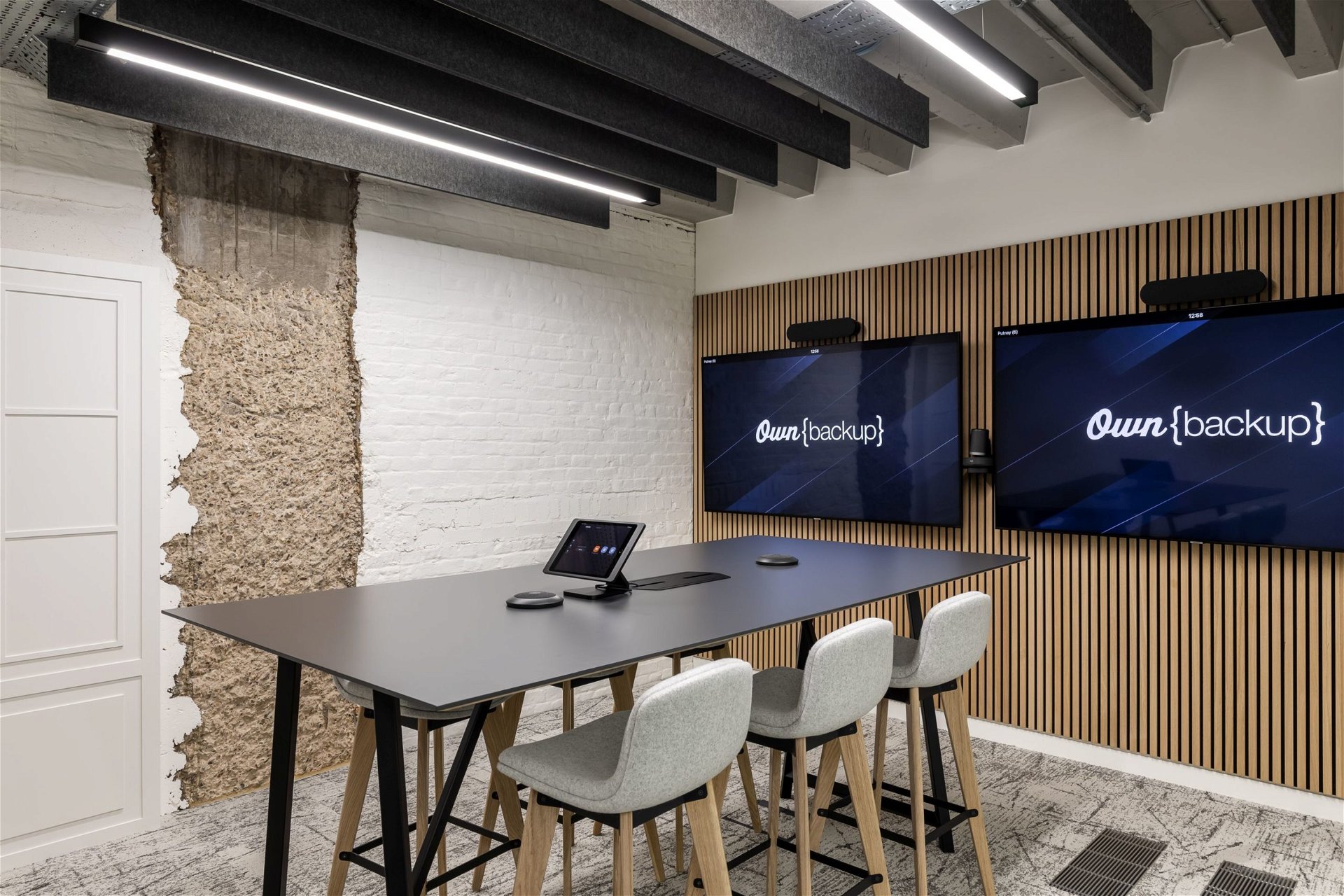
Adding technology to your office conference room boosts productivity and keeps meetings engaging. It’s not just about gadgets; it’s about making communication clear and seamless. Think about what tools can help your team share ideas faster and collaborate better.
Smart Boards And Displays
Smart boards and interactive displays have changed how meetings happen. They allow you to write, draw, and share content directly on the screen, making brainstorming sessions more dynamic.
Choose a display size that fits your room without overwhelming the space. A 55-75 inch screen works well for most conference rooms. Touchscreen capability lets everyone participate easily.
Consider compatibility with your existing devices. Do your laptops and tablets connect effortlessly? This small detail can save you frustration and lost time during meetings.
Cable Management Solutions
Cables can quickly turn a sleek conference room into a tangled mess. Good cable management keeps the space neat and reduces tripping hazards.
Use cable trays under the table or cable clips along the edges to keep wires organized. Wireless charging stations and Bluetooth devices can also cut down on cable clutter.
Ask yourself: How often do you set up and pack down cables before and after meetings? Investing in smart cable solutions can save you those extra minutes and keep your room looking professional.
Adding Greenery And Decor
Adding greenery and decor transforms a conference room into an inviting space. It improves air quality and lifts mood. Thoughtful decor creates a professional yet comfortable atmosphere. Simple touches can make meetings feel less stressful and more productive.
Indoor Plants For Freshness
Indoor plants bring life to dull conference rooms. They clean the air and reduce noise levels. Choose low-maintenance plants like snake plants or pothos. Place them on window sills, shelves, or corners.
- Succulents add a modern touch and need little water.
- Ferns create a lush, calming environment.
- Air plants require no soil and fit any space.
Plants also boost creativity and focus. A few well-placed greens make the room feel fresh and welcoming.
Wall Art And Inspirational Quotes
Wall art adds personality and color to the room. Choose pieces that reflect your company’s values or industry. Abstract art or landscapes work well without distracting attendees.
Inspirational quotes motivate and encourage teamwork. Place them in clear frames or use vinyl wall decals. Keep quotes short and positive for easy reading.
- “Teamwork makes the dream work.”
- “Innovation starts here.”
- “Focus on solutions, not problems.”
Art and quotes create a positive mindset. They make the conference room a place for ideas and growth.
Credit: www.lovethatdesign.com
Creating Zones For Different Activities
Creating zones for different activities in your office conference room can transform it from a single-purpose space into a versatile hub. Defining clear areas helps your team shift smoothly between brainstorming, focused work, and presentations. This approach not only maximizes the room’s potential but also keeps everyone engaged and productive.
Collaboration Areas
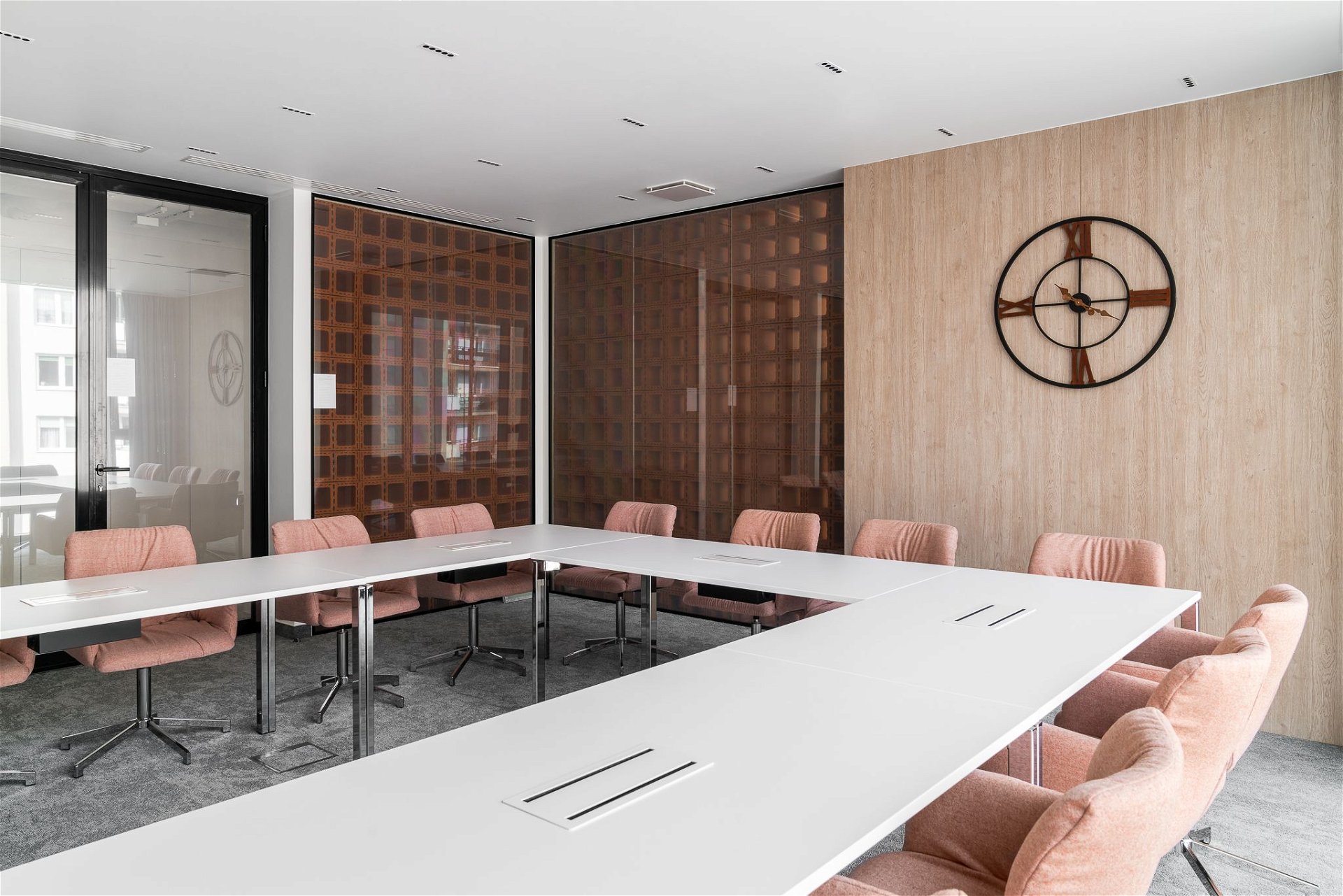
Designate a spot specifically for group discussions and teamwork. Use round tables or modular furniture that can be rearranged to encourage interaction. Adding whiteboards or pinboards nearby invites spontaneous idea sharing and keeps the energy flowing.
Consider technology too. A large screen or projector, combined with easy access to power outlets, makes sharing digital content seamless. Soft seating like bean bags or couches can make collaboration feel less formal and more inviting.
Have you noticed how people naturally gather around a coffee table? Try adding one to your collaboration zone to create a relaxed vibe that sparks creativity.
Quiet Spaces For Focus
Not every moment in a conference room requires noise and movement. A quiet corner where individuals can concentrate without distractions is just as important. Use sound-absorbing materials like rugs, curtains, or acoustic panels to reduce ambient noise.
Provide comfortable chairs and desks with minimal clutter. Adding plants or subtle lighting can help create a calming atmosphere. This quiet zone allows team members to prepare presentations or tackle complex problems without interruption.
Ask yourself: How often does your team need a break from group discussions to focus deeply? Allocating space for quiet work could improve overall meeting effectiveness.
Enhancing Acoustics
Good sound quality is key to a productive conference room. Clear audio helps everyone hear and participate. Poor acoustics cause distractions and misunderstandings. Enhancing acoustics means controlling sound reflections and reducing noise.
Soundproofing Materials
Use materials that absorb or block sound to improve the room’s acoustics. Soft fabrics, foam panels, and carpets cut down echo. Thick curtains and upholstered furniture help absorb noise.
- Acoustic foam panels on walls or ceiling
- Carpets or rugs on the floor
- Heavy curtains over windows
- Upholstered chairs and fabric-covered surfaces
- Bookshelves or plants to break sound waves
These materials reduce sound reflection and keep conversations clear.
Noise-reducing Layouts
Arrange furniture and equipment to minimize noise and distractions. Place the conference table away from noisy areas. Use partitions or screens to separate the room from busy spaces.
- Keep chairs and tables grouped to focus sound inward
- Use plants or room dividers as sound barriers
- Position speakers and microphones for optimal audio pickup
- Avoid hard surfaces facing each other to limit echo
A well-planned layout helps control noise and improves sound clarity.
Personalizing The Space
Personalizing the conference room creates a welcoming and unique environment. It helps build a sense of identity and belonging among team members. A personalized space can inspire creativity and make meetings more enjoyable.
Branding Elements
Incorporate your company’s logo and colors in the decor. Use branded wall art or decals to highlight your identity. Choose furniture and accessories that match your brand style. This consistency reinforces your company’s image to visitors and employees.
Employee Contributions
Invite employees to share ideas for decorating the room. Display artwork or photos created by team members. Use a bulletin board to showcase team achievements and milestones. This involvement increases pride and connection to the space.
Credit: www.lovethatdesign.com
Frequently Asked Questions
How To Choose The Right Color Scheme For Conference Rooms?
Select colors that promote focus and calmness, like blues or greens. Avoid overly bright colors that distract. Use neutral tones for walls and add accent colors through decor or furniture to maintain a professional yet inviting atmosphere.
What Furniture Is Best For An Office Conference Room?
Opt for ergonomic chairs and a sturdy, spacious table. Furniture should encourage collaboration and comfort. Consider modular pieces for flexibility. Ensure enough seating for participants without overcrowding the space.
How To Enhance Lighting In A Conference Room Effectively?
Use a mix of natural and artificial lighting. Install adjustable LED lights to reduce glare. Position lights to avoid shadows on presentation areas. Consider dimmable lights for different meeting needs and times of day.
What Decorative Elements Improve Conference Room Ambiance?
Add plants for a fresh, calming effect. Use wall art or motivational quotes to inspire creativity. Incorporate branded elements subtly to reinforce company identity. Keep decor minimal to avoid distractions.
Conclusion
Decorating your office conference room boosts team spirit and focus. Choose colors and furniture that promote comfort and creativity. Add proper lighting and simple decor for a welcoming feel. Keep the space neat to help ideas flow freely. Small touches make a big difference in meetings.
A well-decorated room invites collaboration and success. Take your time and enjoy the process. Your team will appreciate the effort.