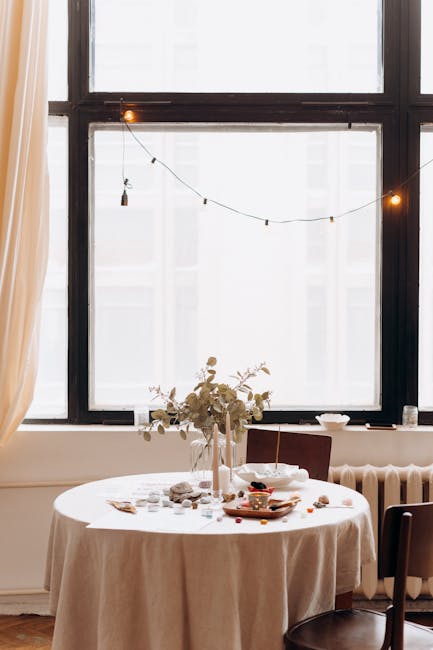
Your therapy office is more than just a workspace—it’s a place where trust is built and healing begins. How you decorate it can make a huge difference in how your clients feel the moment they walk in.
If you want your space to feel welcoming, calm, and professional, you’re in the right place. You’ll discover simple yet powerful ways to transform your office into an environment that supports both you and your clients. Ready to create a space that speaks comfort and care?
Let’s dive in.

Credit: www.facebook.com
Choosing Soothing Colors
Choosing soothing colors for your therapy office sets the tone for every session. Colors influence emotions more than you might realize, shaping how clients feel the moment they walk in. The right shades can create a welcoming space that promotes relaxation and openness.
Calming Color Palettes
Soft blues, gentle greens, and muted lavenders often work well to calm the mind. These colors mimic nature’s peaceful elements like the sky, forests, and flowers, making your office feel less clinical and more inviting.
Try pairing a pale blue wall with off-white furniture to keep the room light and airy. You might notice clients become more at ease, ready to open up without distractions.
Ask yourself: Does this color make you want to sit down and breathe deeply? If yes, it’s likely a good choice for your therapy space.
Accent Colors For Warmth
While calming colors set the base, adding warm accents can make your office feel cozy and human. Think about soft yellows, gentle corals, or warm taupes to add a touch of friendliness.
Use these colors sparingly—like a throw pillow, a piece of art, or a small rug—to avoid overwhelming the calm atmosphere. These accents can spark a subtle sense of hope and positivity without distracting your clients.
What small splash of color could make your space feel more personal and inviting? Sometimes, it’s the little details that create the biggest comfort.
Selecting Comfortable Furniture
Selecting comfortable furniture is key to creating a therapy office where both you and your clients feel at ease. Comfort isn’t just about plush cushions; it’s about choosing pieces that support long conversations and foster a calm atmosphere. Think about how the furniture will impact the flow of sessions and the overall mood of the room.
Ergonomic Seating Options
Ergonomic chairs can make a big difference in comfort and posture. Look for seating with adjustable height, lumbar support, and soft but firm cushions. These features help clients stay relaxed and focused, even during longer sessions.
Don’t forget about your own comfort. A good ergonomic chair for you will prevent fatigue and keep you alert. If you’ve ever experienced back pain after a day of seeing clients, investing in quality seating is one of the best decisions you can make.
Consider adding a variety of seating options, such as a cozy armchair or a small loveseat. These can make the space feel less clinical and more inviting. How might different types of seating change the way your clients engage with you?
Functional Layout Ideas
Furniture placement affects how comfortable and welcoming your therapy office feels. Arrange chairs so clients don’t have to sit too close or too far from you. A distance of about four to six feet usually works well for conversation.
Think about creating zones within the room—one for talking, another for writing or reading materials. Use rugs or small tables to define these areas without overcrowding the space. You want your office to feel open but intimate.
Try to keep pathways clear to avoid any awkward movements or distractions. Have you noticed how a cluttered or cramped room can make it harder to focus? A functional layout supports smooth interactions and helps everyone feel more at ease.
Incorporating Soft Lighting
Creating a calming atmosphere in a therapy office is crucial for fostering a sense of security and relaxation. Soft lighting plays a significant role in achieving this ambiance. It helps to alleviate stress and promote a sense of well-being. Imagine walking into a room that feels warm and inviting, where the lighting gently embraces you rather than overwhelming your senses. This is the experience you want to create for your clients.
Natural Light Benefits
Natural light can be a powerful tool in your therapy office. It not only enhances mood but also boosts energy levels and improves focus. A well-lit space with natural light can make your office feel open and welcoming. Consider positioning your furniture to maximize daylight exposure. This small adjustment can transform the room’s energy.
But what if your office lacks windows? You might be surprised at how effectively mirrors can reflect natural light. Placing a mirror opposite a window can amplify sunlight and brighten up the space considerably. It’s an easy way to create the illusion of a larger, airier room.
Using Lamps And Dimmers
Lamps are essential in crafting a cozy atmosphere. They provide flexibility, allowing you to adjust lighting based on the time of day or the mood you want to set. Table lamps can offer a warm glow that makes the room feel intimate and safe.
Adding dimmers can take your lighting game to the next level. Dimmers let you control the intensity of the light, perfect for tailoring the ambiance to each session. Imagine a client walking in stressed; dimming the lights slightly can help them ease into the session and feel more comfortable. You can find affordable dimmer switches that are easy to install and use.
Have you ever noticed how you feel in spaces with overly bright or stark lighting? It can be jarring and uncomfortable. Soft lighting, through the use of lamps and dimmers, can make a world of difference. Why not try experimenting with different lighting setups to find what works best for your space?

Credit: www.pinterest.com
Adding Personal Touches
Adding personal touches to a therapy office creates a warm and welcoming space. It helps clients feel comfortable and valued. Personal elements give the room character and show care. Thoughtful choices make the environment more inviting and relaxing.
Artwork And Decorations
Choose artwork that reflects calm and positivity. Soft colors and simple designs work well. Nature scenes, abstract art, or inspirational quotes can inspire peace. Avoid loud or chaotic images that may distract. Decorations should feel balanced and not overcrowd the space.
- Use framed prints or canvas art for a polished look.
- Display items that have personal meaning to you.
- Include subtle touches like decorative cushions or rugs.
- Rotate artwork occasionally to keep the space fresh.
Plants And Natural Elements
Plants bring life and freshness to any room. Greenery reduces stress and improves air quality. Select low-maintenance plants like succulents or snake plants. Natural materials such as wood or stone add warmth. Use planters that match the room’s style for a cohesive look.
- Place plants near windows for natural light.
- Incorporate small potted plants on shelves or tables.
- Use natural textures in furniture or accessories.
- Consider a small water feature for soothing sounds.
Organizing For Clarity
Organizing for clarity in a therapy office creates a calm, welcoming space. Clear spaces help clients feel relaxed and focused. An orderly environment supports a professional atmosphere and improves workflow.
Storage Solutions
Choose storage that fits your office size and style. Use closed cabinets to hide supplies and paperwork. Open shelves work well for books and decor items.
- Label containers to find items quickly
- Use baskets or boxes to group similar items
- Keep essential tools within easy reach
Vertical storage saves floor space and keeps things tidy. Invest in multi-purpose furniture with built-in storage.
Keeping Clutter Minimal
Remove unnecessary items from desks and counters. Keep only what you need for sessions visible. Clear surfaces make the room feel spacious and peaceful.
- Regularly sort through papers and throw away old documents
- Use digital files to reduce physical clutter
- Limit decorations to a few meaningful pieces
A clutter-free office reduces distractions and creates a clear mind. This helps both the therapist and client focus better.
Creating Privacy And Comfort
Creating privacy and comfort in your therapy office is essential for building trust and helping clients feel safe. When clients know their conversations stay confidential, they open up more freely. Comfort goes beyond just furniture—it’s about crafting an environment where people feel genuinely at ease.
Soundproofing Techniques
Noise can break the focus in a therapy session and make clients uncomfortable. Adding soundproofing materials helps block outside noises and keeps conversations private.
You can use:
- Acoustic panels:These absorb sound and reduce echoes. They come in various colors and styles to match your office decor.
- Thick rugs or carpets:These soften footsteps and minimize noise reflection from hard floors.
- Door seals and sweeps:These close gaps around doors, preventing sound leakage.
- Bookshelves filled with books:An unexpected but effective sound buffer that also adds warmth to the space.
Think about your office layout—can you position your seating away from noisy areas? Even small changes can make a big difference in sound control.
Window Treatments
Windows bring natural light but can also compromise privacy and comfort if left bare. Proper window treatments control light and prevent distractions from outside activity.
Consider:
- Heavy curtains or drapes:These block outside noise and light, creating a cozy, private setting.
- Frosted or textured window films:These let light in while obscuring the view, so no one can peek inside.
- Blinds with adjustable slats:They allow you to control both privacy and natural light throughout the day.
What level of privacy do your clients need? Adjust your window treatments to balance openness and discretion perfectly.
Incorporating Calming Scents
Incorporating calming scents in a therapy office helps create a peaceful atmosphere. Pleasant smells can ease anxiety and improve focus. Choosing the right scents supports relaxation and comfort for clients. It also enhances the overall experience during therapy sessions. Scent plays a subtle but powerful role in setting a welcoming tone.
Essential Oils And Diffusers
Essential oils offer natural, soothing aromas perfect for therapy spaces. Popular choices include lavender, chamomile, and eucalyptus. These scents help reduce stress and promote calmness.
- Use a diffuser to spread the scent evenly in the room.
- Choose ultrasonic diffusers for quiet operation during sessions.
- Adjust scent intensity to avoid overwhelming clients.
- Rotate oils to keep the environment fresh and inviting.
Essential oils also have therapeutic benefits beyond scent. Aromatherapy can improve mood and support mental well-being. Keep oils stored safely and use high-quality products for best results.
Scent-free Alternatives
Some clients prefer or require scent-free environments. Offering scent-free options ensures inclusivity and comfort. Use air purifiers to keep the space fresh without added fragrances.
- Choose natural materials like cotton or wool for furnishings to reduce odors.
- Keep windows open when possible to allow fresh air circulation.
- Use unscented cleaning products to avoid strong chemical smells.
- Incorporate plants known for air purification, such as snake plants or peace lilies.
Scent-free spaces respect sensitivity and allergies. They create a neutral environment where all clients feel safe and relaxed.

Credit: www.tiktok.com
Frequently Asked Questions
What Colors Are Best For A Therapy Office?
Calming colors like soft blues, greens, and neutrals create a peaceful atmosphere. These hues reduce stress and promote relaxation. Avoid bright or harsh colors that can cause distraction or anxiety. Choose tones that encourage comfort and focus for better client experience.
How To Arrange Furniture In A Therapy Office?
Position chairs to face each other for open communication. Keep furniture minimal to avoid clutter. Ensure ample space for movement and accessibility. A small table can hold tissues or water. The layout should feel welcoming and support a safe environment.
What Lighting Suits A Therapy Office Best?
Use natural light when possible to uplift mood. Soft, warm artificial lights reduce eye strain and create calmness. Avoid harsh fluorescent lights that may cause discomfort. Adjustable lighting allows customization based on session needs. Proper lighting enhances comfort and focus.
Which Decorations Are Appropriate For Therapy Offices?
Choose soothing artwork and nature-inspired decor to create a serene vibe. Avoid overly busy or controversial pieces. Add plants for a touch of life and freshness. Decorations should support relaxation and not distract clients during sessions.
Conclusion
Creating a warm therapy office helps clients feel safe and calm. Choose soft colors and comfortable furniture for a welcoming space. Keep the room tidy and add personal touches like plants or art. Good lighting makes the room bright but gentle on the eyes.
Small changes can make a big difference in comfort and mood. A well-decorated office supports healing and trust. Take time to arrange the space with care and thought. Your office can become a peaceful place for every visitor.