Are you staring at your living room and wondering how to make it feel truly complete? Finishing your living room decoration can be tricky, but it doesn’t have to be overwhelming.
With the right tips and simple steps, you can transform your space into a cozy, stylish haven that reflects your personality. Imagine walking into a room that instantly feels inviting and perfectly put together—sounds great, right? Keep reading, and you’ll discover easy ways to add those final touches that make all the difference.
Your dream living room is closer than you think!
Credit: www.idealhome.co.uk
Choosing The Right Color Palette
Choosing the right color palette is one of the most important steps to finish decorating your living room. The colors you pick set the tone and atmosphere for the entire space. It’s about finding a balance that reflects your style and creates a comfortable place where you want to spend time.
Balancing Neutrals And Accents
Neutrals form the foundation of your living room’s look. Shades like beige, gray, white, or soft taupe offer versatility and a timeless feel. They let your accent colors stand out without overwhelming the space.
Try starting with a neutral base on walls or large furniture pieces. Then, add pops of color through pillows, rugs, or artwork. This approach allows you to change accents easily if you want to refresh the room later.
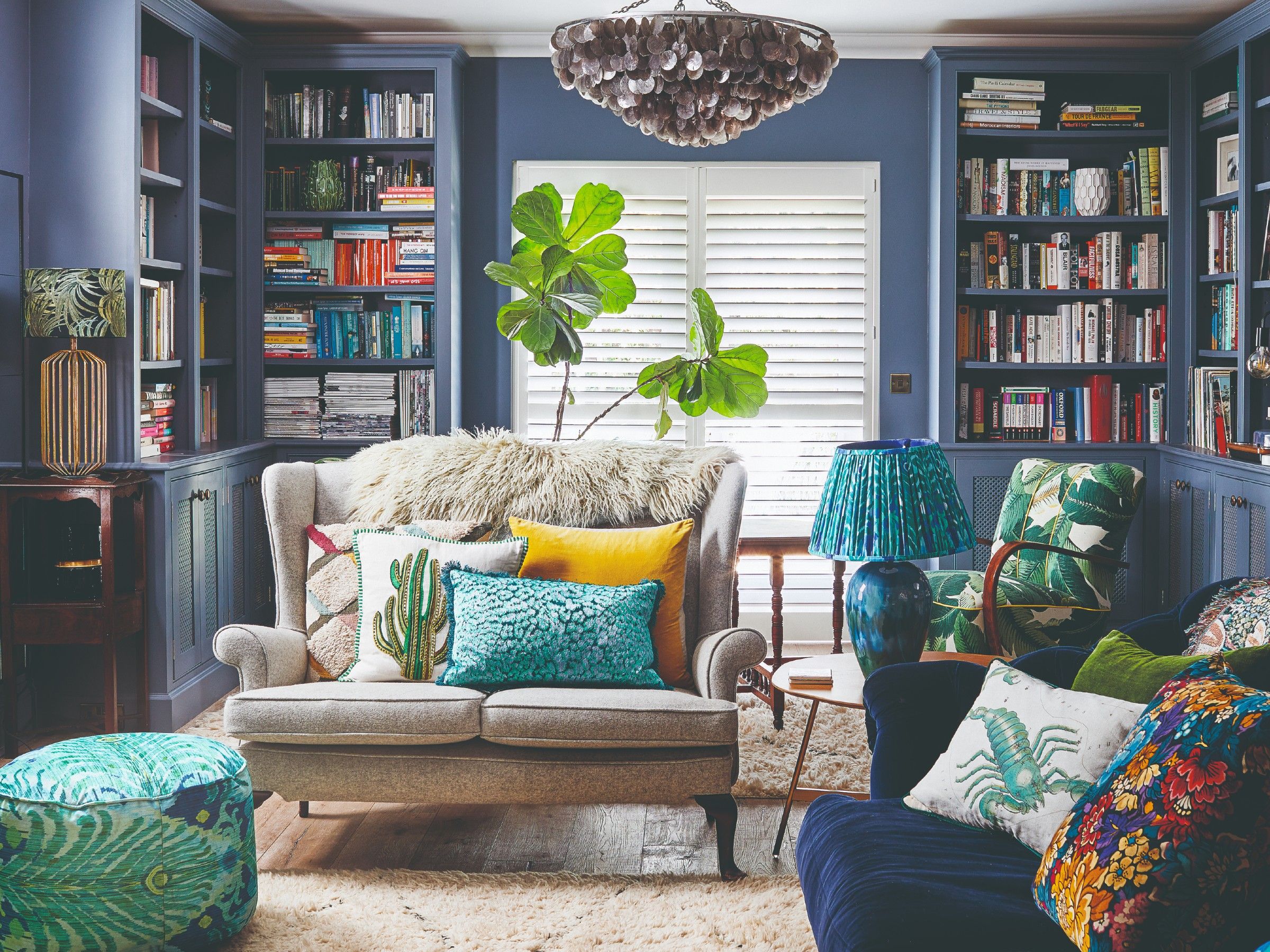
Think about your favorite colors—do you love deep blues or warm oranges? Use those as your accent hues. I once added bold emerald green cushions to a gray sofa, and it instantly lifted the room’s energy without clashing.
Creating Mood With Colors
Colors influence how you feel in a room. Soft blues and greens tend to create calm, relaxing spaces, while reds and yellows bring warmth and energy. Ask yourself what mood you want your living room to evoke.
If you want a cozy and inviting space for family gatherings, warm tones like terracotta or mustard work well. For a peaceful reading nook, cooler shades might be better. Don’t hesitate to mix different shades within the same family to add depth.
Consider natural light too. A darker color can feel moody in a shadowy room but cozy in a sunlit one. How does your living room’s light change throughout the day? Observing this helps you pick colors that feel good morning and night.
Credit: www.blesserhouse.com
Selecting Furniture That Fits
Decorating a living room is an exciting project. A crucial part is selecting furniture that fits your space and lifestyle. The right furniture creates a harmonious balance between comfort and functionality. It also reflects your personal style, making your living room inviting.
Prioritizing Comfort And Style
Comfort should be a top priority when choosing furniture. Soft cushions and ergonomic designs offer relaxation after a long day. Style is equally important. Choose pieces that complement the room’s color scheme and decor. Mix different textures for a visually appealing look.
Maximizing Space Efficiency
Space efficiency is vital in any living room. Opt for furniture that serves multiple purposes. A sofa bed or ottoman with storage can save space. Arrange furniture to allow easy movement. This ensures a comfortable and functional living area.
Incorporating Lighting Layers
Incorporating lighting layers creates a warm and inviting living room. It shapes the mood and highlights key areas. Different types of lighting work together for a balanced look. Mixing ambient, task, and accent lighting adds depth and function. Natural light enhances these layers and improves the space’s feel.
Ambient Lighting
Ambient lighting provides overall brightness in the room. It makes the space feel open and comfortable. Common sources include ceiling lights, chandeliers, or recessed lighting. Choose soft, warm bulbs for a cozy atmosphere. This layer sets the base for all other lighting in your living room.
Task Lighting
Task lighting focuses on specific activities like reading or working. Use table lamps, floor lamps, or adjustable fixtures. Position lights near seating areas or desks for better visibility. Bright, focused light reduces eye strain and improves function. This layer supports daily tasks and adds practicality.
Accent Lighting
Accent lighting highlights artwork, plants, or architectural details. Spotlights, wall sconces, or LED strips work well. It creates visual interest and draws attention to focal points. Use dimmers to adjust brightness and mood. This lighting adds style and personality to your living room.
Using Natural Light Effectively
Natural light brightens the room without extra energy use. Keep windows clean and unobstructed for maximum sunlight. Use light-colored curtains or blinds to soften glare. Arrange furniture to face windows and capture daylight. Combining natural light with layered lighting enriches the space beautifully.
Adding Textures And Patterns
Adding textures and patterns can completely transform your living room from plain to inviting. It creates visual interest and makes the space feel warm and layered. But how do you add these elements without overwhelming the room?
Mixing Fabrics And Materials
Try combining different fabrics like velvet, linen, and cotton in your cushions and curtains. Each fabric has its own feel and look, which adds depth to your space. Don’t be afraid to mix hard materials like wood or metal with soft textiles; this contrast can make your room more dynamic.
I once added a chunky knit throw on a smooth leather sofa, and it changed the whole vibe. It made the seating area feel cozy and inviting. Think about the surfaces you touch most and vary their textures to keep your room interesting.
Balancing Bold And Subtle Patterns
Patterns can bring energy to your living room, but balance is key. Pair bold patterns with subtle ones to avoid chaos. For example, a vibrant geometric rug works well with soft, neutral striped cushions.
Ask yourself: does this pattern complement or compete with others in the room? If you’re using a bold wallpaper, keep the upholstery simple. If your sofa has a busy print, choose solid-colored curtains or rugs to calm the space.
Try limiting your palette to a few colors across patterns to create harmony. This way, your living room will feel cohesive rather than cluttered.
Choosing Decorative Accessories
Choosing decorative accessories is the final touch that brings your living room to life. These items reflect your personality and style, making the space truly yours. Paying attention to details like art and greenery can transform a plain room into a warm, inviting area where you want to spend time.
Selecting Art And Wall Decor
Art and wall decor set the tone of your living room. Pick pieces that speak to you personally—whether it’s a bold painting, a photograph, or a collection of smaller prints. Think about the colors and themes that already exist in your room and choose art that complements or contrasts in an interesting way.
Don’t feel pressured to fill every wall. Sometimes, one large statement piece works better than many small ones. If you want a gallery wall, arrange your frames on the floor first to find the best layout before hanging.
Have you ever considered swapping art seasonally? Changing pieces every few months can keep your room feeling fresh without a full redesign.
Using Plants And Greenery
Adding plants is one of the simplest ways to finish your living room decor. They bring in color, texture, and a sense of calm. Even if you don’t have a green thumb, there are many low-maintenance options like snake plants or pothos that thrive with minimal care.
Use plants of varying heights and sizes to create visual interest. Place a tall plant in an empty corner and smaller ones on shelves or tables. Hanging plants can also add dimension without taking up floor space.
Have you noticed how plants can improve the mood of a room? Besides looks, they also purify the air, making your living space healthier. Try grouping plants together to create a mini indoor garden that feels cozy and alive.
Creating A Focal Point
Creating a focal point in your living room draws the eye and anchors the space. It gives the room a clear purpose and style. A strong focal point makes the room feel balanced and inviting. It helps guide how you arrange furniture and decorate.
Highlighting With Furniture Arrangement
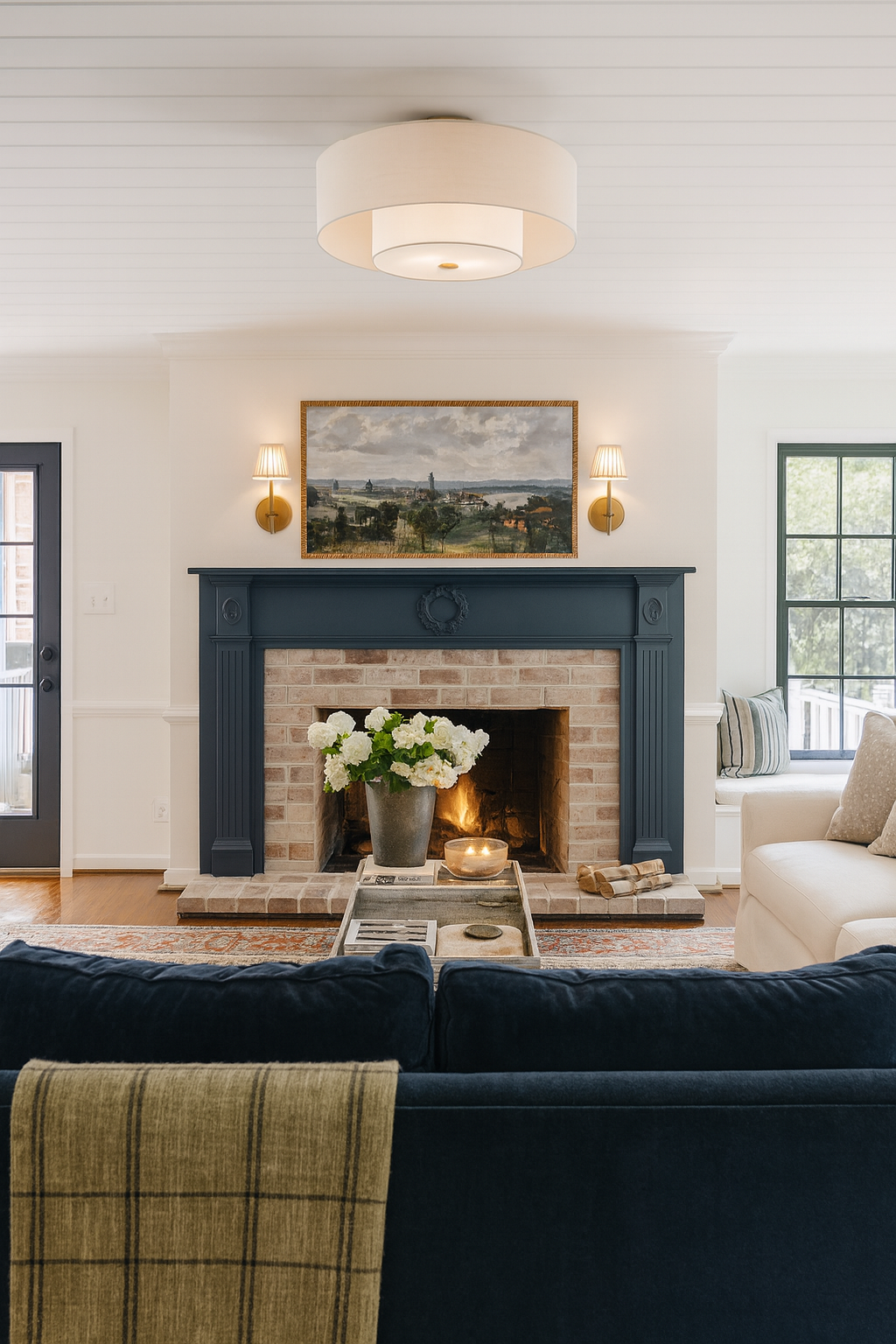
Arrange your furniture to face or surround the focal point. This could be a fireplace, a large window, or a TV. Use sofas and chairs to create a cozy conversation area. Keep pathways clear for easy movement.
Group pieces closely to emphasize the focal point. Use rugs to define the space. Make sure all seating has a good view of the main feature. This setup makes the room feel connected and organized.
Using Statement Pieces
Choose one or two bold items to catch attention. A colorful armchair, a large piece of art, or a unique coffee table works well. These pieces should stand out but still match the room’s style.
Place statement pieces where they can be easily seen. Avoid overcrowding around them to keep focus clear. Use lighting to highlight these items and add drama.
Organizing Storage Solutions
Organizing storage solutions is key to finishing your living room decor. It helps you keep the space tidy and makes your room look inviting. Storage doesn’t have to be boring; it can blend perfectly with your style and personality.
Combining Function With Style
You want storage that works hard but also looks good. Think about using furniture pieces like ottomans with hidden compartments or coffee tables with shelves underneath. These give you places to stash away items without adding clutter.
Open shelves can display your favorite books or decor while also keeping things organized. Choose baskets or boxes that match your color scheme to store smaller items neatly. When storage matches your room’s design, it feels intentional, not chaotic.
Maintaining Clutter-free Spaces
Keeping your living room clutter-free starts with regular habits. Make it a routine to clear surfaces daily and put things back in their designated spots. This small effort prevents mess from piling up.
Ask yourself: do I really need to keep all these items out? If not, find a dedicated spot for them or consider donating. Using labels on storage containers can also save time and keep things in order.
Remember, organized spaces feel larger and more relaxing. What storage trick have you tried that made your living room easier to enjoy?
Credit: www.youtube.com
Frequently Asked Questions
How Do I Choose The Right Color Scheme For My Living Room?
Select colors that complement your furniture and lighting. Use a palette of three to four colors for balance. Consider neutral tones for walls and vibrant accents for decor to create harmony and style.
What Are Essential Decor Items To Finish A Living Room?
Key items include rugs, cushions, wall art, and lighting. These add texture, color, and personality. Choose pieces that reflect your style and enhance comfort for a cozy, inviting space.
How Can I Make My Living Room Feel Cozier?
Add soft textiles like throws and cushions. Use warm lighting and layered textures. Arrange furniture to encourage conversation and comfort, creating a welcoming and relaxing atmosphere.
Where Should I Place Artwork In My Living Room?
Hang artwork at eye level on main walls. Center pieces above sofas or mantels for focus. Use proper lighting to highlight the art and enhance room aesthetics.
Conclusion
Finishing your living room decoration brings a fresh, cozy feel. Small details like cushions, rugs, and lighting make a big difference. Choose colors and styles that match your taste and space. Keep your room neat and comfortable for daily use.
Enjoy the process, and make your living room truly yours. This simple approach helps create a warm and inviting space. Your living room can become a place where memories grow.