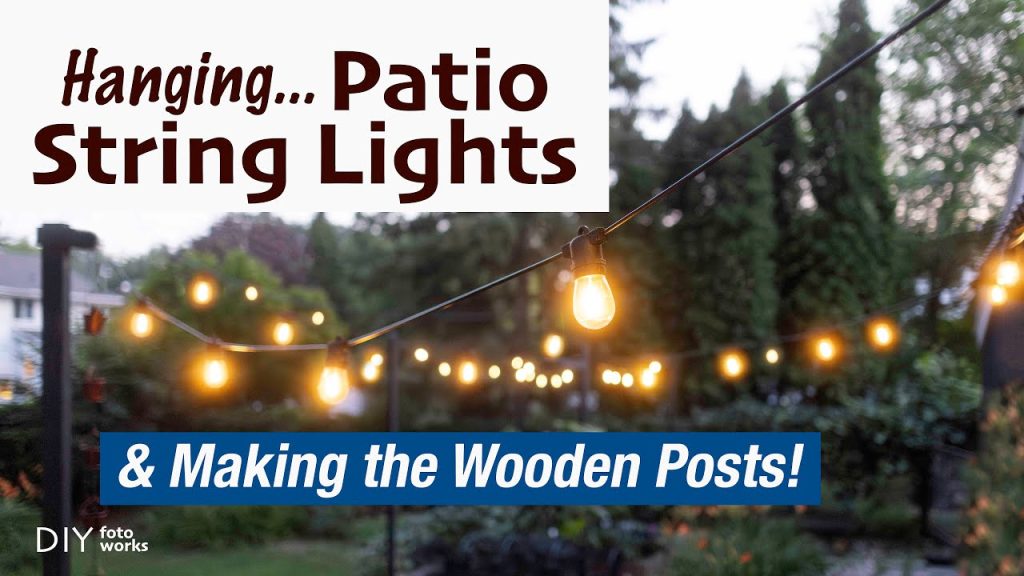
Are you ready to transform your outdoor space with beautiful decorative lights? Hanging outdoor lights can instantly create a warm, inviting atmosphere for your backyard, patio, or garden.
But if you’re unsure where to start or worried about making mistakes, don’t worry—you’re in the right place. This guide will walk you through simple, practical steps to hang your lights safely and stylishly. By the end, you’ll have the confidence to brighten up your nights and impress your guests with glowing, magical lighting.
Let’s get started!
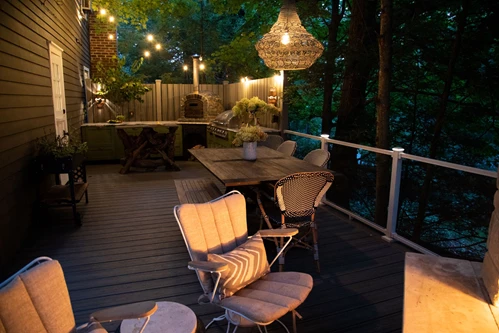
Credit: www.decks.com
Choosing The Right Lights
Choosing the right lights is crucial for creating the perfect outdoor ambiance. The lights you select will influence not only the look but also the functionality and safety of your outdoor space. Think about how you want your area to feel and what type of lighting fits your lifestyle and environment.
Types Of Outdoor Lights
You have several options when it comes to outdoor decorative lights. String lights are popular for their warm, cozy glow and versatility—they work great for patios, pergolas, and trees. Lantern-style lights add a classic touch and can be placed on tables or hung from hooks.
Solar lights offer a modern twist and don’t require wiring, making installation easier. Spotlights and floodlights provide brighter illumination for larger areas or security purposes. Which style matches your outdoor vibe and purpose?
Energy Efficiency Options
Choosing energy-efficient lights helps lower your electricity bills and reduces environmental impact. LED lights are your best bet—they use significantly less power and last much longer than traditional bulbs. You might be surprised by how much you save over a season just by switching to LEDs.
Solar-powered lights are another energy-smart choice, especially if your outdoor space gets plenty of sunlight. They charge during the day and light up automatically at night, which means no extra wiring or energy costs. Have you considered how much power your current outdoor lighting consumes?
Durability And Weather Resistance
Outdoor lights must withstand wind, rain, and temperature changes. Look for lights with waterproof ratings like IP65 or higher to ensure they won’t fail during bad weather. Materials such as stainless steel, aluminum, and durable plastics tend to last longer outside.
Remember, cheap lights may look good at first but often don’t hold up well over time. Investing in quality lighting means fewer replacements and less hassle. How much wear and tear do your current lights endure, and are they still shining bright?

Credit: us.govee.com
Planning Your Layout
Start by measuring the space to decide where lights will hang best. Sketch your layout to avoid tangled or uneven lighting. Choose spots with power sources nearby for easy setup.
Planning your layout for hanging decorative lights outdoors can transform your garden or patio into a magical space. Before you begin, consider the ambiance you want to create—be it a cozy nook for relaxation or a lively area for gatherings. The key lies in a thoughtful arrangement that enhances your outdoor area without overwhelming it.Measuring Your Space
Start by measuring the dimensions of your outdoor area. Use a tape measure to get accurate figures for width, length, and height. This will help you determine how much lighting you need. Consider the location of power outlets; you might need extension cords if the distance is significant. Knowing your space ensures that you purchase the right amount and length of lights, avoiding any last-minute surprises.Design Patterns And Styles
Explore different design patterns that can elevate the look of your space. Do you want a simple line of lights or a crisscross pattern overhead? Think about the type of lights—string, fairy, or lantern—to match your style. Try mixing and matching different styles for a unique look. A mix of warm and cool tones can add depth and character. What kind of mood do you want to set with your lighting?Safety Considerations
Safety is paramount when dealing with outdoor lights. Ensure that all lights and extension cords are weatherproof and suitable for outdoor use. Avoid overloading electrical circuits to prevent hazards. Check for any damage in cords and replace them if necessary. Securely fasten lights to prevent them from falling in strong winds. Regularly inspect connections and equipment to ensure everything remains safe and functional. Would you prefer peace of mind knowing your setup is safe and reliable?Gathering Tools And Supplies
Gathering the right tools and supplies makes hanging outdoor decorative lights easier and safer. Prepare everything before you start to save time and avoid interruptions. Knowing what you need helps keep the project smooth and enjoyable.
Essential Tools
- Ladder – Choose a sturdy ladder that reaches your desired height safely.
- Measuring Tape – Measure distances to plan light placement accurately.
- Scissors or Wire Cutters – Cut string lights or trim excess wire.
- Gloves – Protect your hands from sharp edges and dirt.
- Drill – Make holes for mounting hardware if necessary.
- Hammer – Useful for driving nails or hooks into wood.
Mounting Hardware
- Outdoor Hooks – Designed to hold lights without damaging surfaces.
- Adhesive Clips – Stick to surfaces for lightweight light strings.
- Zip Ties – Secure lights to railings or poles tightly.
- Nails or Screws – Provide strong support on wooden surfaces.
- Eye Screws – Good for threading string lights through.
Extension Cords And Timers
- Outdoor Extension Cords – Rated for outdoor use and weather-resistant.
- Multiple Outlet Adapters – Increase plug points for many lights.
- Timers – Automatically turn lights on and off for convenience and energy saving.
- Power Strips with Surge Protection – Protect lights from electrical spikes.
Installing Lights Securely
Installing decorative lights outdoors requires careful attention to security. Proper installation keeps your lights safe from wind and weather. It also protects your home surfaces from damage. Secure installation helps your lights last longer and shine brighter.
Using Hooks And Clips
Hooks and clips offer strong support without harming surfaces. Choose plastic clips for gutters or shingles to avoid rust. Metal hooks hold heavier lights but check they don’t scratch walls. Use adhesive hooks on smooth surfaces for easy removal. Place hooks every few feet to spread the light’s weight evenly. This prevents sagging and keeps strands taut.
Avoiding Damage To Surfaces
Protect your home’s paint and siding by avoiding nails or staples. Use removable hooks or clips made for outdoor use. Test adhesive hooks on a small spot before full installation. Avoid sharp objects that can crack or chip surfaces. Cover wire connections with electrical tape to prevent water damage. Keep lights away from areas prone to moisture buildup.
Managing Wire Placement
Organize wires to prevent tripping or tangling. Run wires along edges or under eaves for a neat look. Use zip ties or twist ties to bundle excess wire. Keep wires off the ground to avoid water exposure. Avoid placing wires near heat sources or sharp edges. Check wires regularly for wear and replace damaged sections.
Enhancing Your Display
Enhancing your outdoor decorative lights display is all about creating an atmosphere that matches your style and mood. Small adjustments can make a big difference in how your lights look and feel. By adding features like dimmers, mixing colors and effects, or including extra decorative touches, you can transform a simple setup into something truly memorable.
Adding Dimmer Or Remote Controls
Adding a dimmer switch or remote control to your outdoor lights gives you complete power over brightness. Imagine lowering the lights for a cozy evening or brightening them for a lively gathering without stepping outside each time.
Remote controls also let you turn lights on and off from inside your home, saving energy and adding convenience. You can find affordable kits that fit most outdoor lights and are easy to install.
Combining Light Colors And Effects
Mixing different colors and light effects can add depth and interest to your display. Try pairing warm white lights with cool blue ones for contrast, or use twinkling lights alongside steady glow bulbs for a dynamic look.
Think about the vibe you want: festive, calm, or magical. Experimenting with color combinations and blinking patterns can help you find the perfect match for your outdoor space.
Incorporating Decorative Elements
Adding decorative elements like lanterns, hanging ornaments, or greenery can enhance your lights and make your display stand out. You could wrap lights around tree branches or weave them through flower pots to add texture and layers.
Have you considered using mirrors or reflective surfaces to amplify your lights? Even simple additions like colorful ribbons or seasonal decorations can change the whole feel of your setup.
Maintaining Outdoor Lights
Maintaining your outdoor decorative lights ensures they shine brightly and safely season after season. Neglecting simple upkeep can lead to dimming bulbs, tangled wires, or even hazards. A little effort goes a long way in keeping your outdoor space inviting and well-lit.
Regular Cleaning Tips
Dirt, dust, and moisture can dull your lights quickly. Use a soft cloth or sponge dipped in mild soapy water to wipe each bulb and wire gently. Avoid harsh chemicals that might damage the coating or electrical parts.
Check for cobwebs or leaves caught between the strings—they block the glow and can cause overheating. Cleaning your lights once a month during the season helps you spot issues early and keeps them sparkling.
Troubleshooting Common Issues
If some bulbs go out, don’t rush to replace the entire string. Identify the faulty bulbs by gently pressing each one; some lights have a fuse system that needs resetting. Replace burnt-out bulbs with exact matches to avoid electrical problems.
Loose connections often cause flickering. Secure plugs and sockets firmly and inspect for frayed wires. If you notice exposed wires, tape them with electrical tape or replace that section immediately to prevent shocks.
Storing Lights Safely
When the season ends, proper storage prevents damage and tangling. Wrap lights around a sturdy piece of cardboard or a spool to keep them organized. Avoid stuffing them in boxes where they can get crushed or knotted.
Store your lights in a cool, dry place away from direct sunlight and moisture. Have you ever pulled out your lights only to find them broken or tangled? Taking a few minutes to store them carefully saves you time and frustration next year.
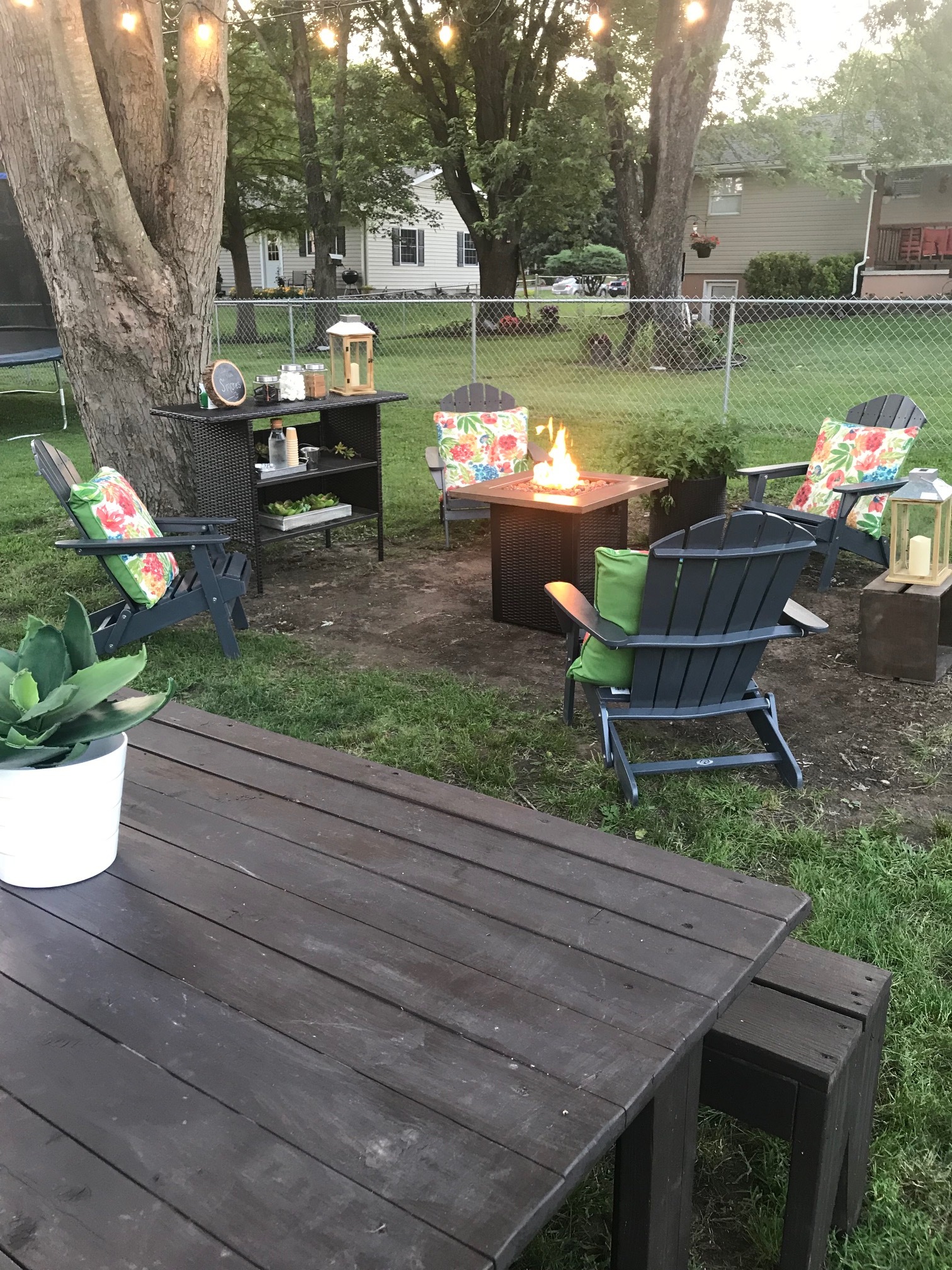
Credit: www.acupfullofsass.com
Frequently Asked Questions
What Materials Do I Need To Hang Outdoor Decorative Lights?
You need outdoor-rated string lights, hooks or clips, an extension cord, and a ladder. Ensure all materials are weatherproof and safe for outdoor use.
How High Should I Hang Outdoor Decorative Lights?
Hang lights about 7 to 9 feet above the ground. This height ensures safety and optimal lighting coverage.
Can I Leave Outdoor Lights On All Night Safely?
Yes, if the lights are LED and rated for outdoor use. Use timers to save energy and increase safety.
How Do I Secure Outdoor Lights Without Damaging Surfaces?
Use removable adhesive hooks or clips designed for outdoor use. Avoid nails or staples that can damage walls or trees.
Conclusion
Hanging decorative lights outdoors can brighten any space. Choose the right lights and secure them safely. Plan your layout before you start. Use hooks or clips to avoid damage. Check weather conditions and use outdoor-rated lights. Take your time for the best results.
Enjoy the warm and inviting atmosphere you create. Simple steps bring great outdoor charm. Your space will look cozy and festive all year.