
Your dining room is more than just a place to eat—it’s where memories are made, conversations flow, and your personal style shines. Adding color to your dining room decor can completely transform the space, making it feel warm, inviting, and uniquely yours.
But how do you choose the right shades without overwhelming the room? You’ll discover simple, effective ways to bring color into your dining area that will catch the eye and spark joy every time you walk in. Ready to make your dining room the heart of your home?
Let’s dive in.

Credit: www.designcafe.com
Choosing A Color Palette
Choosing a color palette for your dining room sets the tone for the entire space. It influences the mood, complements your furniture, and reflects your personal style. Picking the right colors can make your dining room feel inviting and stylish without overwhelming your senses.
Bold Vs. Neutral Tones
Deciding between bold and neutral tones is your first big choice. Bold colors like deep blues, emerald greens, or rich reds create a lively atmosphere and add energy to your dining area. On the other hand, neutral tones such as beige, gray, or soft whites offer a calm, timeless backdrop that allows your furniture and decor to shine.
Think about how often you use your dining room. If it’s a space for lively gatherings, bold colors might excite your guests. But if you prefer a relaxed, everyday dining experience, neutral tones can help maintain a peaceful vibe.
Complementary Color Schemes
Complementary colors sit opposite each other on the color wheel, like blue and orange or purple and yellow. Using these pairs can create visual interest and balance. You don’t have to paint your walls in both colors; instead, try using one for the walls and the other for accents like cushions, tableware, or artwork.
Have you ever noticed how a splash of a contrasting color instantly makes a room pop? Playing with complementary colors can give your dining room that unexpected twist without feeling chaotic. It’s about balance — too much contrast can feel harsh, but just enough keeps things dynamic.
Seasonal Color Inspiration
Colors inspired by the seasons can keep your dining room feeling fresh all year round. Warm autumn hues like burnt orange, mustard, and deep browns add coziness as the days get shorter. Spring and summer invite lighter, brighter shades such as soft greens, pastel pinks, and airy blues that bring a sense of renewal and lightness.
Changing your color accents seasonally is a simple way to refresh your space without repainting. Imagine swapping out placemats, curtains, or even a centerpiece to match the season’s mood. How might your dining experience improve if your room’s colors reflected the time of year?
Painting Walls With Impact
Painting your dining room walls can dramatically change the atmosphere and set the tone for every meal and gathering. Choosing the right color and technique helps you create a space that feels both inviting and stylish. Instead of sticking to plain walls, try painting with impact to make your dining room truly stand out.
Accent Walls
An accent wall is a great way to bring color without overwhelming the entire room. Pick one wall—usually the one you see first when entering—and paint it a bold or contrasting color. This draws attention and adds depth to your dining space.
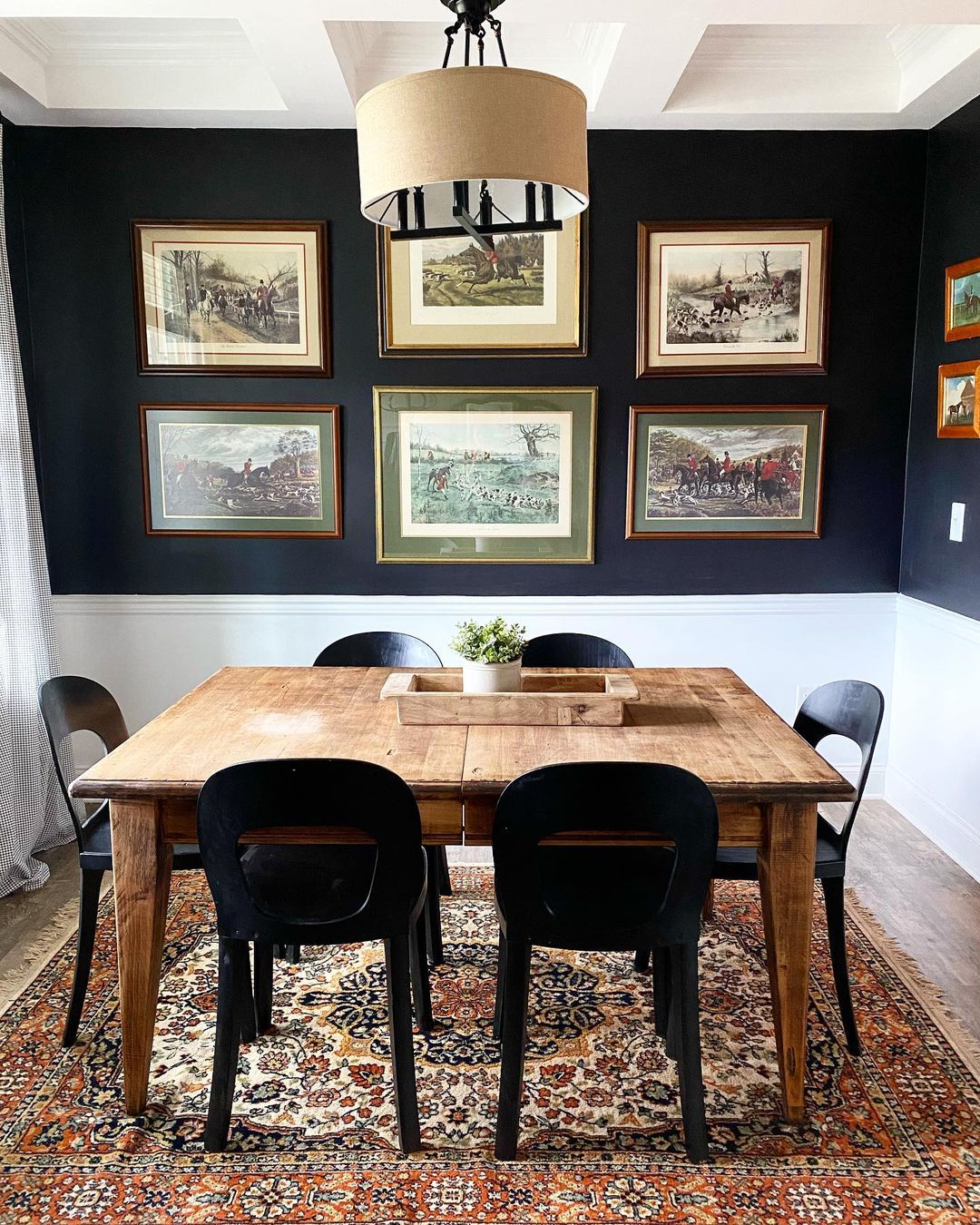
If your dining room has a fireplace or a large piece of art, consider highlighting that wall with a rich hue like navy blue or forest green. It instantly creates a focal point and can make the room feel more intimate.
Color Blocking Techniques
Color blocking involves painting sections of your walls in different colors or shapes. It’s a playful way to add personality and can be as simple or as complex as you want. Try dividing the wall horizontally, vertically, or with geometric shapes for a modern look.
Use painter’s tape to create clean lines and contrast colors that complement your furniture and decor. For example, pairing soft pastels with a bold primary color can energize your dining room without clashing.
Textured Paint Finishes
Adding texture to your painted walls introduces another layer of interest beyond color alone. Techniques like sponging, rag-rolling, or using textured paint give your walls a tactile and visual richness. These finishes work especially well in dining rooms to create a cozy, inviting feel.
Try a subtle metallic or pearlescent finish on one wall to catch light and add a sophisticated touch. It’s a simple way to make your dining room walls more dynamic and conversation-worthy.
Selecting Colorful Furniture
Choosing colorful furniture is a powerful way to bring life and personality into your dining room. It allows you to experiment with bold tones or subtle hues that reflect your style. The right pieces can become focal points and spark conversations during meals.
Statement Chairs And Sofas
Adding brightly colored chairs or a vibrant sofa can instantly transform your dining area. Think about chairs upholstered in rich jewel tones like emerald green or sapphire blue. These colors not only brighten the space but also add a touch of luxury.
Don’t hesitate to try patterns or textures that catch the eye. A velvet chair in mustard yellow or a sofa with a floral print can bring warmth and character. Ask yourself: What mood do you want to set when guests gather around your table?
Colorful Dining Tables
A colorful dining table can anchor your room with style and function. Choose tables painted in bold shades like deep red, turquoise, or even pastel pink. This choice makes the table the star of your dining room.
Consider the finish as well—glossy or matte surfaces change how the color interacts with light. You might find that a matte navy table creates a more relaxed vibe, while a glossy red table energizes the space. Which finish would fit your lifestyle better?
Mixing And Matching Pieces
Don’t feel limited to matching furniture. Mixing different colors and styles can create a dynamic and inviting atmosphere. Pair a bright orange chair with a pale blue sofa, or a lime green table with neutral seating.
Balance is key. Use a neutral backdrop to let colorful pieces shine without overwhelming the room. Have you tried blending unexpected colors together? It can lead to surprising harmony and a space that feels uniquely yours.
Credit: www.extraspace.com
Adding Color Through Textiles
Textiles like tablecloths, curtains, and cushions bring vibrant color to your dining room. Choosing bright or patterned fabrics instantly livens up the space and adds warmth. These small changes create a cozy and inviting atmosphere for meals.
Adding color through textiles is an easy and impactful way to transform your dining room. Textiles like curtains, rugs, cushions, throws, table linens, and napkins can inject personality and vibrancy without overwhelming the space. It’s all about choosing the right shades and patterns that resonate with your style and bring warmth to gatherings.Vibrant Curtains And Rugs
Consider how curtains can act as a canvas for color in your dining room. A bold set of curtains can dramatically change the mood. Try a pair in a bright hue or playful pattern that complements your furniture. Rugs offer another layer of color. A vibrant rug under your dining table can anchor the space, making it feel cozy and inviting. Choose colors that tie in with other elements in the room for harmony.Colorful Cushions And Throws
Cushions and throws on dining chairs bring comfort and style. Opt for cushions in rich colors or intriguing textures. This adds depth and a welcoming vibe. Imagine the joy of switching throws with the seasons. Bright hues for summer and warm tones for winter can keep your dining room feeling fresh and engaging year-round.Table Linens And Napkins
Table linens set the stage for every meal. A colorful tablecloth or runner can be the centerpiece of your dining experience. Choose shades that enhance your dishware and décor. Napkins are a subtle yet effective way to add bursts of color. Experiment with different patterns or shades to create an appealing contrast. Would you dare to mix and match for a unique setting? Adding color through textiles is a creative process. What colors speak to you and your dining room’s vibe?Using Artwork And Decor
Artwork and decor bring life and personality to your dining room. They add color without overwhelming the space. Thoughtful choices create a warm and inviting atmosphere. Bright hues can energize the room. Soft tones bring calm and comfort. Using artwork and decor allows you to express your style easily.
Colorful Wall Art
Wall art is a simple way to add color to your dining room. Choose pieces with vibrant shades that match your theme. Abstract paintings, prints, or framed photos work well. Place art at eye level for best impact. Large pieces can become the room’s focal point. Smaller artworks grouped together create visual interest.
Decorative Accessories
Decorative items add splashes of color and texture. Use colorful vases, bowls, or candle holders on your table or shelves. Choose accessories in bold or soft tones depending on your style. Mix materials like glass, ceramic, and metal for depth. Keep the number of accessories balanced to avoid clutter.
Plants And Floral Arrangements
Plants and flowers bring natural color and freshness indoors. Use potted plants with green leaves to contrast colorful decor. Fresh flowers in bright hues create a lively vibe. Dried floral arrangements offer long-lasting beauty. Change flowers seasonally to keep your dining room feeling new.

Credit: mostlovelythings.com
Lighting To Enhance Color
Lighting plays a crucial role in how colors appear in your dining room. The right lighting can make colors pop, create mood, and even change the perception of space. Understanding how to use lighting effectively will help you highlight your chosen color palette and enhance the overall atmosphere.
Warm Vs. Cool Lighting
Warm lighting casts a yellow or orange glow that makes reds, oranges, and yellows feel richer and cozier. It’s perfect if you want to create an inviting and intimate dining experience. Cool lighting, on the other hand, gives off a bluish tone that sharpens blues, greens, and purples, making the room feel fresh and modern.
Think about the mood you want in your dining space. Are you aiming for a relaxed dinner setting or a crisp, energetic vibe? Adjust your bulbs accordingly to bring out the best in your color choices.
Colored Lampshades
Colored lampshades are a simple way to add a splash of color and control the tone of light in your dining room. A red or orange lampshade can warm up a cool room, while a blue or green shade can cool down a space filled with warm tones.
Try swapping out plain white shades for colored ones and watch how the light transforms your walls and furniture. You might find that a small change here makes a big difference in how your colors look and feel.
Highlighting Colorful Features
Use directional lighting like spotlights or track lights to focus on your room’s colorful elements—whether it’s a bold painting, vibrant wallpaper, or a statement dining chair. This draws attention exactly where you want it and makes colors stand out.
Have you noticed how a spotlight on a bright vase or a colorful centerpiece changes the entire room’s energy? Experiment with angles and intensity to find the perfect balance that brings your dining room to life.
Balancing Color For Harmony
Balancing color in your dining room is key to creating a space that feels inviting and cohesive. Too much color can overwhelm, while too little may leave the room feeling dull. Finding the right harmony allows your dining area to shine without feeling chaotic or bland.
Avoiding Overcrowding
One common mistake is using too many bold colors at once. This can make your dining room feel cluttered and stressful rather than relaxing. Instead, choose a few key colors and let them breathe.
Think about limiting your palette to two or three main colors. Use one as a dominant shade and the others as accents. This approach keeps the space visually calm and appealing.
Using Neutrals As Buffers
Neutrals like white, beige, or soft gray act as excellent buffers between stronger colors. They give your eyes a place to rest and prevent color clashes.
If you love bright colors, try pairing them with neutral walls or furniture. This balance softens the impact and makes your colorful choices stand out more effectively.
Creating Visual Flow
Color should guide the eye smoothly through the room, not stop it abruptly. Use similar shades or repeated colors in different areas to create a sense of connection.
For example, if your dining chairs are navy blue, consider adding navy blue cushions or artwork nearby. This repetition pulls the room together and makes your color choices feel intentional.
Ask yourself: does your eye move comfortably around the room, or does it jump from one color block to another? Adjusting colors for better flow can transform your dining space’s atmosphere entirely.
Frequently Asked Questions
How Can I Choose The Right Color For My Dining Room?
Select colors that match your dining room’s lighting and style. Warm tones create a cozy feel, while cool tones offer calmness. Consider your furniture and décor to ensure harmony and balance in the overall design.
What Colors Make A Dining Room Look Bigger?
Light colors like white, beige, or pastels reflect light and open up space. They make the dining room feel airy and spacious. Use these shades on walls and ceilings for an expanded visual effect.
How Do I Add Color Without Repainting Walls?
Add colorful accessories like cushions, rugs, curtains, or artwork. Use vibrant table settings or floral centerpieces to bring life. This approach allows easy updates and flexibility in your dining room’s color scheme.
Can Bold Colors Work In Small Dining Rooms?
Yes, bold colors can add personality and depth to small spaces. Use them on accent walls or décor pieces. Balance bold colors with neutral tones to avoid overwhelming the room.
Conclusion
Adding color to your dining room can brighten the space instantly. Choose shades that match your style and mood. Small touches like cushions or wall art make a big difference. Don’t be afraid to mix colors, but keep balance in mind.
Natural light helps colors look their best. Enjoy creating a warm, inviting place for meals and memories. Start with simple changes and watch your dining room come alive. Color brings joy and personality to every gathering.