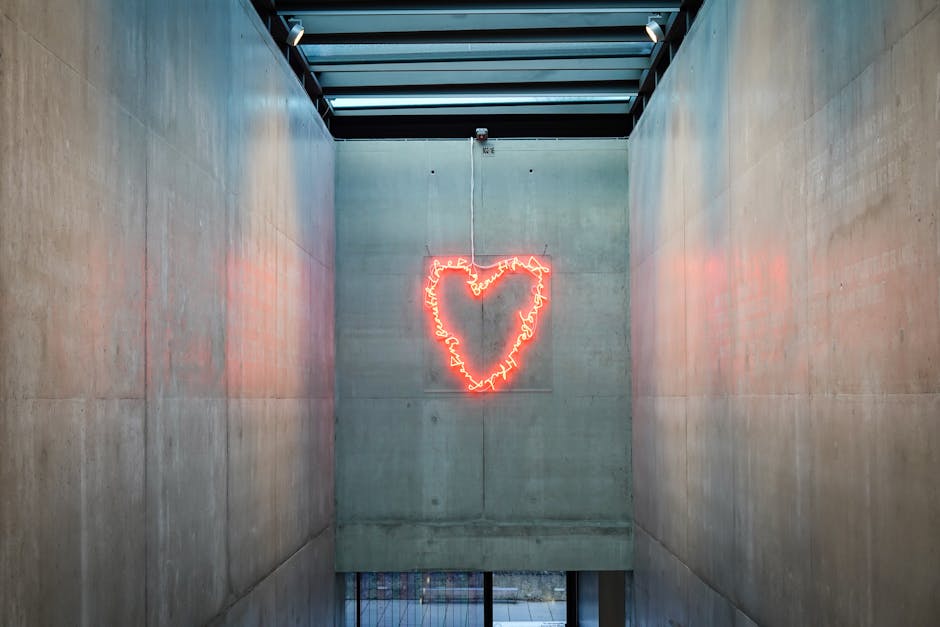
Are you looking to add a unique glow to your space that stands out and feels personal? Making decorative fluorescent light panels is easier than you might think, and it can transform any room with vibrant colors and eye-catching designs.
Imagine creating your own custom lighting that reflects your style and brightens your home or workspace. In this guide, you’ll discover simple steps and insider tips to craft stunning fluorescent panels that will impress everyone. Ready to light up your creativity?
Let’s dive in and make your space truly shine!
Choosing Materials
Choosing the right materials is essential for creating decorative fluorescent light panels. The materials impact the panel’s look, brightness, and durability. Careful selection helps achieve a professional and attractive finish. Focus on fluorescent tubes, panel frames, and diffusers for best results.
Selecting Fluorescent Tubes
Fluorescent tubes come in various sizes and colors. Choose tubes that fit the panel size and design style. White tubes offer bright, clear light. Colored tubes add mood and artistic effects. Check the wattage to balance brightness and energy use. Look for tubes with long life to reduce replacements.
Picking Panel Frames
Panel frames hold the components together. Select frames made from lightweight but strong materials. Aluminum frames resist rust and last longer. Plastic frames can be budget-friendly and easy to work with. Choose a frame size that matches your tubes and diffuser. Frames with clean edges make installation easier and safer.
Choosing Diffusers
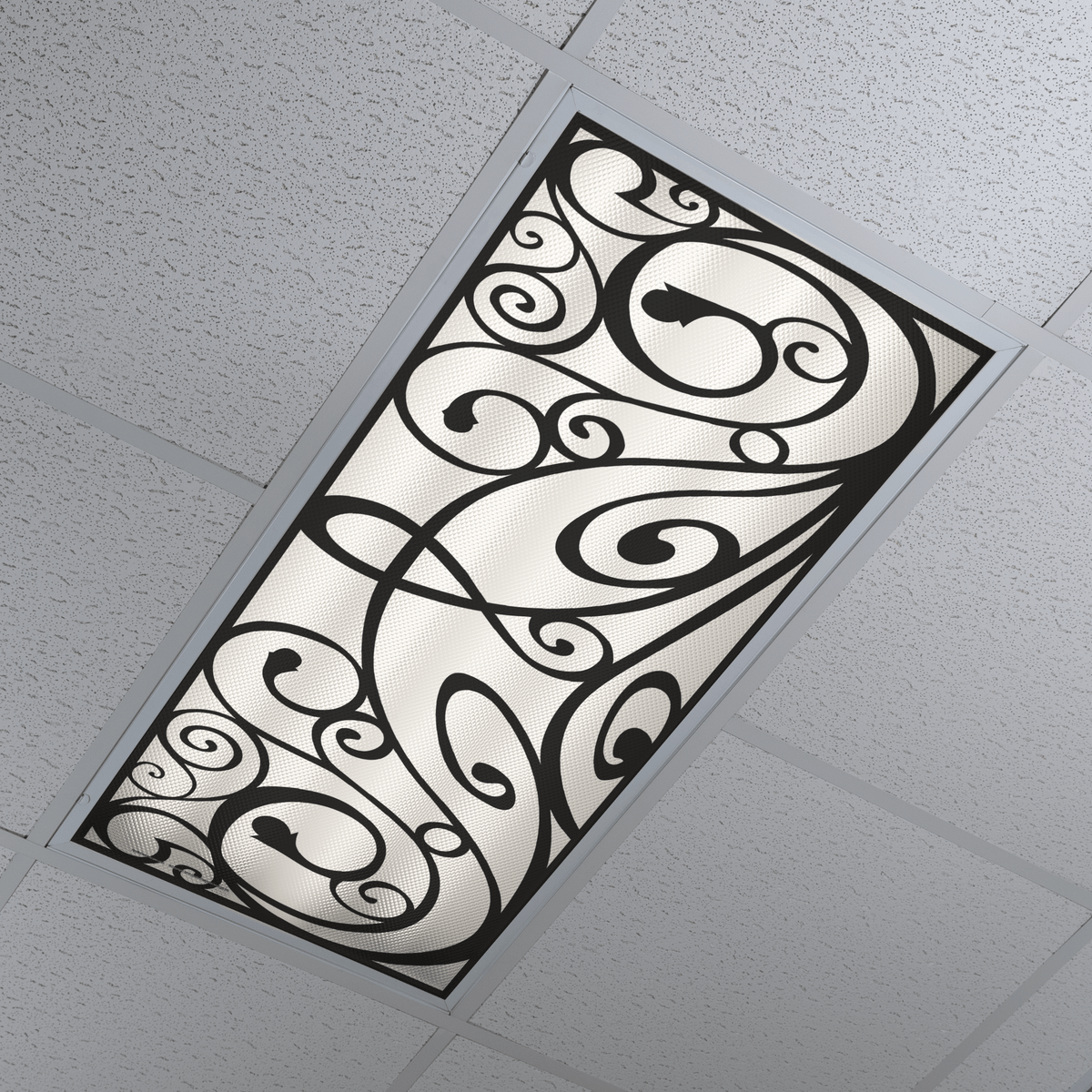
Diffusers spread light evenly across the panel. Clear acrylic diffusers give sharp light but can cause glare. Frosted or milky diffusers soften light for a warm look. Polycarbonate diffusers are tough and impact-resistant. Pick a diffuser thickness that balances light diffusion and strength. Proper diffusers improve the panel’s visual appeal.
Credit: apollodesignmade.com
Design Planning
Creating decorative fluorescent light panels begins with clear design planning to match your space and style. Choosing the right materials and layout ensures both function and beauty in your finished panels. Careful measurement and sketching help bring your vision to life effectively.
Design Planning is crucial for creating decorative fluorescent light panels. It ensures your panels fit seamlessly into your space. With careful design, you can create stunning visuals that enhance any room.Measuring Your Space
Accurate measurements are vital. Use a tape measure to determine the dimensions of your ceiling. Note the length and width. These figures guide your panel size. Consider any obstructions like vents or fixtures. Ensure panels won’t interfere with them. Double-check your measurements for precision.Sketching Panel Layouts
Sketching helps visualize your design. Start with simple pencil sketches. Draw your ceiling space. Indicate panel locations with rectangles. Experiment with different layouts. Try grid patterns or random placements. Sketch variations. Choose the layout that suits your style.Selecting Color Themes
Color themes add personality to your panels. Pick colors that match your room decor. Consider the mood you want to create. Warm colors add coziness. Cool tones bring calmness. Use complementary colors for balance. Sample different shades. Choose a theme that enhances your space.Assembly Process
The assembly process is where your decorative fluorescent light panels start to take shape. It’s a hands-on phase that demands attention to detail and patience. You’ll find that carefully preparing each component makes the final setup smoother and the panel more durable.
Preparing The Frame
Begin by selecting a sturdy frame that fits your design and space. Use materials like aluminum or wood, as they provide solid support and are easy to work with. Make sure to sand any rough edges to avoid splinters or damage during installation.
Double-check the frame dimensions against your fluorescent tubes and diffuser panels. If the frame is too loose or tight, it can cause issues later. Think about adding corner brackets for extra stability—this small step can prevent wobbling.
Installing Fluorescent Tubes
Handle fluorescent tubes carefully; they are fragile and contain small amounts of mercury, so safety matters. Before installation, test each tube to ensure it lights up correctly. This avoids hassle after assembly.
Secure the tubes into the sockets firmly, but avoid forcing them, which can break the glass. Connect the wiring following the electrical guidelines precisely. If you’re unsure about wiring, consult a professional—your safety is paramount.
Attaching Diffusers
Diffusers soften the light and add a decorative touch. Choose diffusers that match the style you want—frosted acrylic sheets work well for even light distribution. Cut them to fit snugly within the frame.
Attach the diffusers using clips or adhesive strips, making sure they sit flush without gaps. This step not only enhances the panel’s look but also protects the tubes from dust and damage. Have you noticed how a good diffuser can completely change the mood of a room?
Electrical Setup
Setting up the electrical components is a key part of making decorative fluorescent light panels. Proper wiring ensures the panels work safely and efficiently. This section covers the basics of wiring, important safety tips, and how to test your panels before final installation.
Wiring Basics
Start with a clear plan for your wiring layout. Use wires rated for the panel’s voltage and current. Connect the fluorescent tube holders to the ballast and power source correctly. Use wire nuts or connectors to secure all connections. Keep wires neat to avoid shorts or damage. Ground the panel properly to prevent electric shock.
Safety Precautions
Always turn off the power before starting any electrical work. Use insulated tools to avoid accidents. Wear protective gloves and goggles for extra safety. Double-check all connections to ensure they are tight and secure. Avoid working in wet or damp areas. Follow local electrical codes and regulations for installation.
Testing The Panels
Before mounting, test each panel to confirm it works correctly. Connect the panel to a power source briefly to check if the light turns on. Use a voltage tester to ensure proper current flow. Look for flickering or dim areas which may indicate wiring issues. Fix any problems immediately to ensure safe operation. Testing saves time and prevents future hazards.
Decorative Techniques
Decorative techniques transform plain fluorescent light panels into stunning design features. These methods enhance the lighting effect and add personality to any space. Simple materials and creative ideas can create unique, eye-catching panels. Choose a technique that fits your style and project needs.
Adding Patterns
Patterns bring texture and depth to light panels. Use stencils or cut vinyl to create shapes and designs. Apply these directly on the panel surface or the diffuser. Geometric shapes, stripes, or abstract patterns work well. Keep patterns simple to avoid overpowering the light.
Using Colored Films
Colored films change the panel’s light color and mood. These films come in many shades and finishes. Apply them evenly to avoid bubbles or wrinkles. Layer different colors for a gradient or ombre effect. This method is affordable and easy to update.
Incorporating Artwork
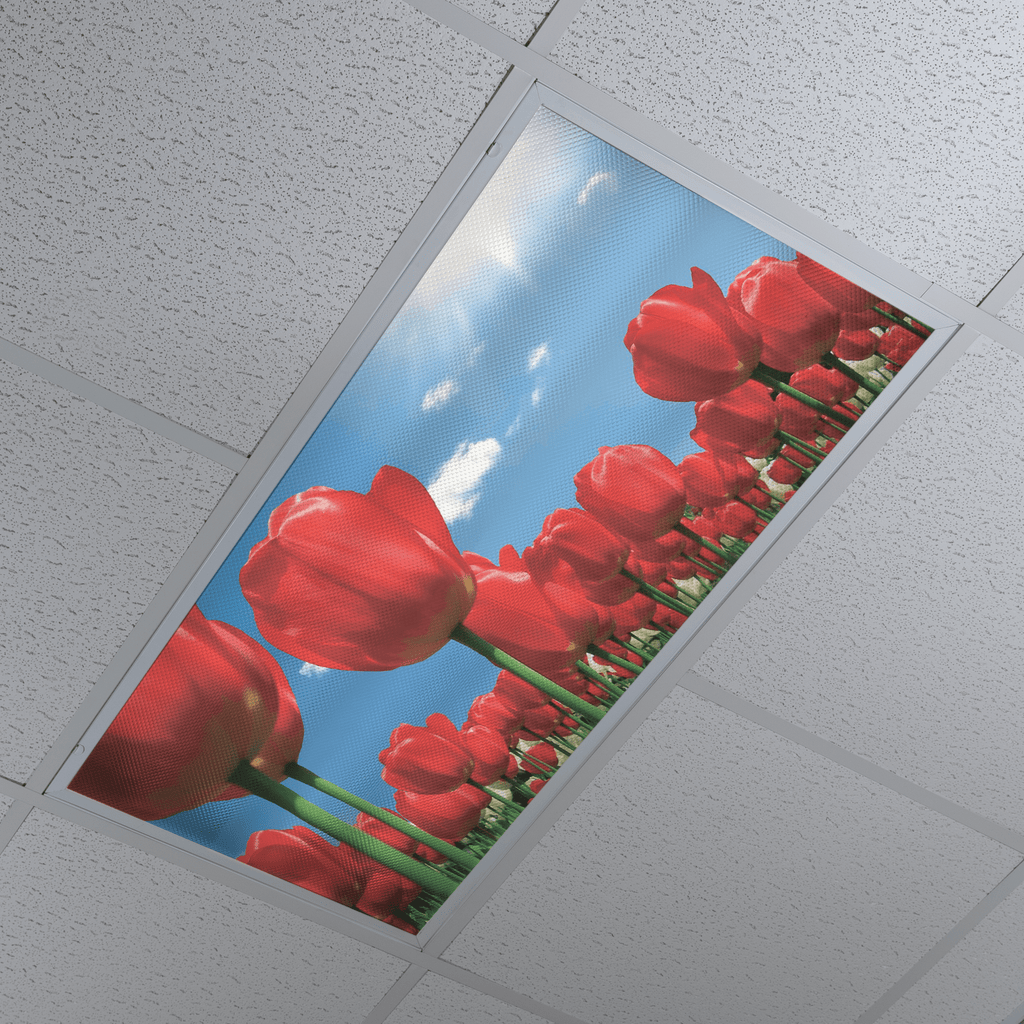
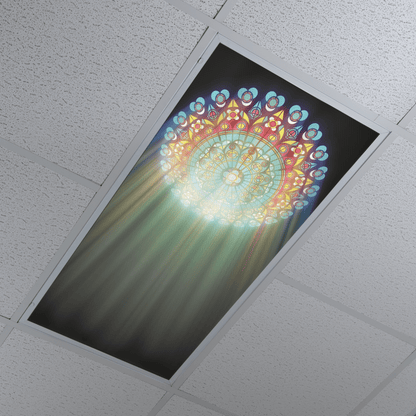
Artwork adds a personal touch to fluorescent panels. Print or paint designs on transparent sheets. Place the art between the light source and diffuser. Choose themes that match the room’s decor. This approach creates a gallery-like display with soft lighting.
Credit: apollodesignmade.com
Installation Tips
Installing decorative fluorescent light panels requires care and attention. Proper installation ensures safety and enhances the panel’s look. Follow these tips to secure and place your panels effectively. Maintain them to keep the light bright and attractive.
Mounting Panels Securely
Use strong anchors or screws suitable for your wall type. Check the panel’s weight before choosing mounting hardware. Align panels evenly for a clean, professional look. Avoid loose fittings to prevent panels from falling. Use a level tool to keep panels straight. Secure wiring safely to avoid damage or hazards.
Optimizing Light Placement
Place panels where light spreads evenly across the room. Avoid blocking panels with furniture or decor. Consider the room’s purpose to decide panel placement. Use multiple panels for larger areas to reduce shadows. Adjust panel angle slightly to highlight room features. Keep panels away from heat sources to prolong life.
Maintaining Your Panels
Clean panels regularly with a soft, dry cloth. Avoid harsh chemicals that can damage the surface. Check electrical connections periodically for safety. Replace bulbs or tubes promptly if they flicker or dim. Inspect panels for cracks or damage and repair if needed. Keep vents clear to prevent overheating.
Credit: apollodesignmade.com
Frequently Asked Questions
What Materials Are Needed For Fluorescent Light Panels?
You need fluorescent tubes, a frame, diffuser panels, wiring, and mounting hardware. Choose materials that are durable and lightweight for easy installation.
How Do You Assemble A Fluorescent Light Panel?
First, build the frame, install fluorescent tubes, then add the diffuser. Connect the wiring carefully and test the light before mounting.
Can Fluorescent Panels Be Customized For Decoration?
Yes, you can customize panels with colors, patterns, or frosted diffusers. This adds style and unique ambiance to any room or workspace.
How Do You Maintain Decorative Fluorescent Light Panels?
Clean panels regularly with a soft cloth to remove dust. Replace tubes when dim or flickering to keep lighting bright and consistent.
Conclusion
Creating decorative fluorescent light panels can brighten any space with style. Follow the simple steps to build your own panel. Choose colors and designs that fit your room best. These panels add both light and art to walls. They are easy to make and fun to customize.
Try different shapes or patterns to match your taste. With a little effort, you can create unique lighting that stands out. Enjoy the glow and the creative process as you work. Keep experimenting to find your perfect look and feel.