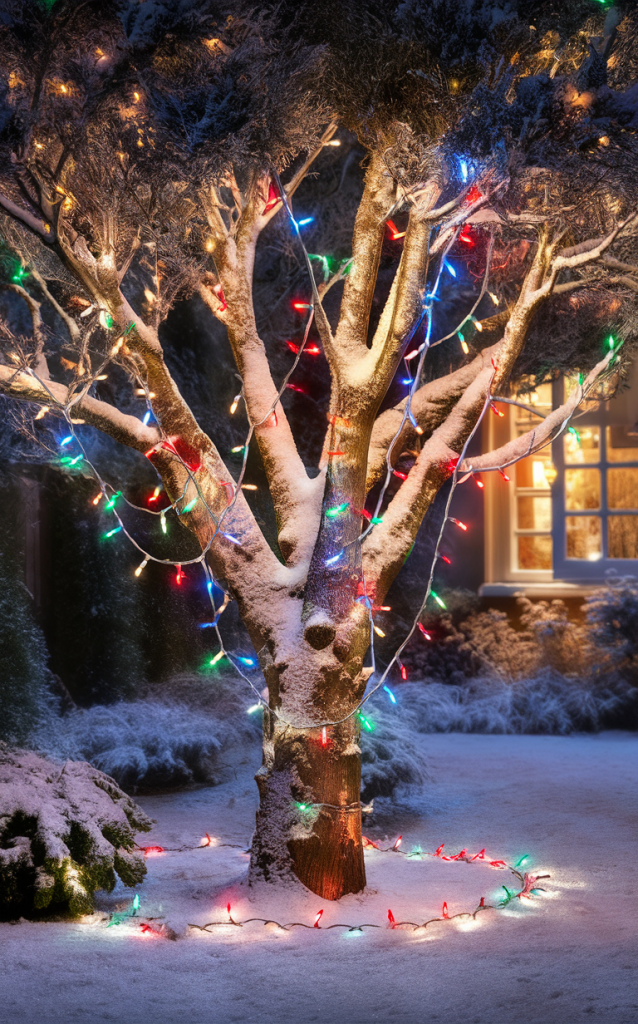
Are you ready to transform your outdoor space into a magical holiday wonderland? Planting trees that you can decorate with Christmas lights is a simple way to bring warmth and cheer to your home year after year.
But where do you start? How do you choose the right trees, and what’s the best way to plant them so your lights shine bright every season? Keep reading, and you’ll discover easy, practical tips that make decorating with Christmas lights more fun and stress-free than ever.
Your dream festive display is just a few steps away!

Credit: www.hgtv.com
Choosing The Right Tree
Choosing the right tree is key to a beautiful Christmas light display. The tree sets the stage for your decorations. Picking the right type, size, and health ensures your lights shine perfectly. A well-chosen tree also grows strong and lasts for many seasons. Consider these factors carefully before planting.
Best Tree Types For Lighting
Some trees hold lights better than others. Evergreens are top choices. They keep their leaves in winter, making them ideal for lights. Pines, spruces, and firs have sturdy branches. These support many lights without bending or breaking.
- Pine trees have long needles and strong branches.
- Spruce trees have dense needles for a full look.
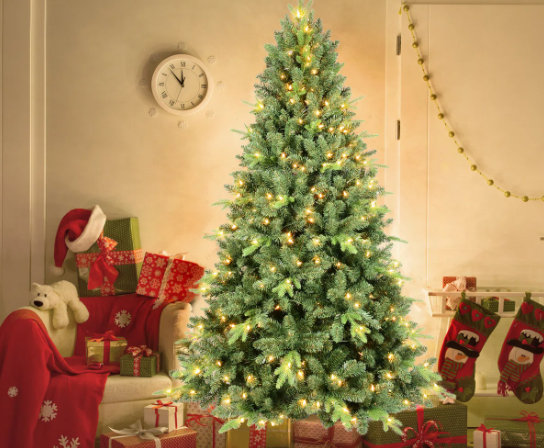
- Fir trees offer a classic Christmas tree shape.
Choose a tree that fits your style and lighting plan.
Considering Tree Size And Shape
Size matters for light decoration. Small trees suit limited spaces and fewer lights. Large trees need more lights but create a big impact.
Tree shape affects light placement. Tall and narrow trees focus lights upward. Wide, full trees allow lights all over.
- Measure your space before planting.
- Think about how many lights you want to use.
- Match tree shape with your decoration style.
Selecting Healthy Trees
Healthy trees grow better and hold lights well. Look for vibrant green color and firm needles. Avoid trees with brown spots or broken branches.
Check the trunk for damage or disease. A strong trunk supports heavy lights safely. Healthy roots help the tree grow tall and strong.
- Choose trees with no signs of pests.
- Pick trees with moist, not dry, soil around roots.
- Inspect branches for flexibility and strength.
Preparing The Tree For Planting
Choose a healthy tree with strong branches for easy light hanging. Dig a hole twice as wide as the root ball for good growth. Water the tree well after planting to help it settle and stay healthy.
Preparing the Tree for Planting Decorating your garden with Christmas lights is a magical sight, but planting the tree correctly is crucial to ensure its health and longevity. Preparing the tree for planting involves a few important steps that will make all the difference.Choosing The Planting Location
Consider the tree’s sunlight needs and size when fully grown. A sunny spot in your yard will help the tree thrive. Avoid areas with overhead power lines or underground utilities to prevent future complications. Think about the view from your windows during the festive season. You want your Christmas lights to be visible and create a stunning display.Soil Preparation Tips
Check the soil type in your chosen location. Sandy or clay soils might need amendments to improve drainage and nutrient content. Mix in organic matter like compost or well-rotted manure to enrich the soil. This provides essential nutrients and encourages healthy root growth. Water the soil thoroughly before planting. Moist soil helps the roots establish faster and supports the tree during its first weeks.Proper Digging Techniques
Dig a hole twice as wide as the tree’s root ball but not deeper. This allows the roots to spread easily and prevents the tree from sinking over time. Loosen the soil around the edges of the hole to encourage root expansion. If the soil is compacted, use a spade to break it up. Place the tree in the hole and ensure it stands upright. Fill in with soil gradually, pressing down gently to eliminate air pockets that could dry out the roots. — By following these steps, you set the stage for a healthy, thriving tree that will beautifully complement your Christmas lights. What’s your favorite spot for planting? Share your thoughts in the comments!Planting Steps
Planting a tree to decorate with Christmas lights is more than just digging a hole and placing the tree inside. The way you plant it affects how well it grows and how stunning it looks when lit up during the holidays. Taking time with each planting step ensures your tree stays healthy and stands strong through winter storms and festive gatherings.
Setting The Tree In The Ground
Start by digging a hole twice as wide and just as deep as the tree’s root ball. This gives roots room to spread and absorb nutrients efficiently. Gently place the tree in the hole, making sure the top of the root ball is level with the ground surface.
Have you noticed how some trees sit too deep or too high after planting? That can stunt growth or cause water to pool around the trunk, leading to rot. Take a moment to adjust the tree’s position before filling the hole.
Backfilling And Watering
Use the soil you removed to fill in around the root ball, pressing down lightly to eliminate air pockets. Avoid packing the soil too tightly; roots need space to breathe. After backfilling, water the tree thoroughly to settle the soil and provide moisture right from the start.
Watering at this stage can be overlooked but is crucial. It activates the roots and helps the tree adapt to its new home. Imagine your tree thirsty after a long trip—your watering is its first welcome.
Stabilizing The Tree
Young trees often need support to stand upright, especially in windy areas. Use stakes and soft ties to stabilize the trunk, attaching them loosely to avoid damaging the bark. Leave the supports in place for a few months but check regularly to adjust as the tree grows.
Think about the last time you saw a leaning tree—was it because it wasn’t supported properly? Stabilizing prevents that and gives your tree the best chance to grow straight and strong, setting a perfect stage for your Christmas lights.

Credit: www.facebook.com
Choosing Christmas Lights
Choosing the right Christmas lights can transform your tree from ordinary to magical. The type of lights you select affects not only the look but also the safety and energy use. Let’s look at what options you have and how to pick the best ones for your outdoor tree.
Types Of Lights To Use
There are several types of Christmas lights, each with its unique charm and use. You can choose from classic incandescent bulbs, which offer a warm glow but use more energy. LED lights are popular for their brightness and durability.
Consider mini string lights for delicate branches or larger globe lights for bold statements. Net lights can be perfect if you want quick and even coverage on bushes or small trees. How do you want your tree to stand out in the neighborhood?
Energy-efficient Options
LED lights are the best choice if you want to save on electricity bills. They consume up to 90% less energy than traditional bulbs and last much longer. This means less hassle with bulb replacements during the festive season.
Solar-powered Christmas lights are another energy-friendly option, especially if your tree gets good sunlight during the day. These lights charge naturally and turn on automatically at dusk, adding convenience. Would you like to reduce your carbon footprint while decorating?
Safety Considerations
Safety should be a priority when decorating outdoor trees with lights. Always check for weatherproof and outdoor-rated lights to prevent electrical hazards. Look for labels like UL or ETL to ensure the lights meet safety standards.
Inspect your lights for frayed wires or broken bulbs before use. Overloading circuits can cause fires, so use proper extension cords and avoid daisy-chaining too many light strands. Have you checked if your outdoor setup is truly safe before you plug in?
Lighting Techniques
Lighting techniques play a key role in making your tree look festive and inviting. The way you place lights affects the overall beauty and safety of the display. Proper lighting can show off the tree’s shape and texture. It also prevents electrical problems during the holiday season.
Wrapping Branches Evenly
Start by choosing the right string lights for your tree. Wrap the lights evenly around each branch. Space the bulbs so the light spreads well. Avoid bunching lights in one spot. Move from the trunk toward the branch tips for a natural glow. Check that all bulbs face outward for the best view. This method gives a balanced and bright look.
Highlighting Tree Features
Focus lights on special parts of the tree. Use brighter lights on unique branches or interesting shapes. You can also wrap lights around the trunk to add depth. Place some lights low and some high for a layered effect. This draws attention to the tree’s character. It makes your decoration stand out in the yard or room.
Using Extension Cords Safely
Choose extension cords rated for outdoor use to avoid hazards. Keep cords off wet ground and away from walkways. Use clips or hooks to secure cords along branches and walls. Check cords for damage before plugging in. Don’t overload sockets to prevent fires. Using cords safely protects your home and your tree lights.
Credit: www.wayfair.com
Maintenance Tips
Maintaining trees decorated with Christmas lights keeps them healthy and looking great. Proper care helps lights last longer and prevents damage to the tree. Simple steps make a big difference.
Watering And Fertilizing
Water trees deeply to keep roots moist. Trees need more water during dry winter days. Use mulch around the base to hold moisture and protect roots.
Fertilize trees before winter to boost their strength. Choose a slow-release fertilizer with balanced nutrients. Avoid over-fertilizing to prevent root damage.
Checking Lights Regularly
Inspect lights often for broken bulbs or loose wires. Replace damaged bulbs quickly to avoid short circuits. Secure lights gently to avoid harming branches.
Turn off lights during the day to save energy and reduce heat. Use timers to control lighting hours easily. Check connections to keep the display safe.
Protecting From Weather Damage
Strong wind and snow can harm both trees and lights. Tie branches loosely to support heavy snow loads. Remove snow gently to prevent breaking branches.
Use weatherproof lights designed for outdoor use. Cover plugs and sockets with plastic to keep moisture out. Avoid placing lights on weak or young branches.
Frequently Asked Questions
What Trees Are Best For Christmas Light Decoration?
Evergreen trees like pine, fir, and spruce are ideal for Christmas lights. Their sturdy branches hold lights well. They also retain needles longer, enhancing decoration durability. Choose healthy, young trees for easier planting and better growth. These types create a classic holiday look with vibrant green foliage.
How Deep Should I Plant A Tree For Lights?
Plant the tree at the same depth it was in its nursery container. Dig a hole twice as wide but equal in depth to the root ball. This ensures roots can spread easily. Proper depth prevents root rot and supports strong growth, ideal for supporting Christmas light decorations.
When Is The Best Time To Plant Trees For Christmas Lights?
Plant trees in early spring or fall for best growth. These seasons provide moderate temperatures and moist soil. This timing helps trees establish strong roots before winter. Well-established trees handle outdoor decorations better and remain healthy throughout the holiday season.
How Can I Safely Hang Christmas Lights On Trees?
Use outdoor-rated, low-heat LED lights to prevent fire hazards. Secure lights with hooks or twist ties designed for trees, avoiding nails or staples. Test lights before hanging to ensure functionality. This method protects the tree and enhances the safety of your holiday display.
Conclusion
Planting trees for Christmas lights adds charm to any home. Choose healthy trees and place them where lights shine best. Use safe, outdoor lights and secure them gently. This simple effort brings warm, festive joy outside. Your yard will glow with holiday spirit and beauty.
Enjoy the process and the bright results. Celebrate the season with nature and light combined.