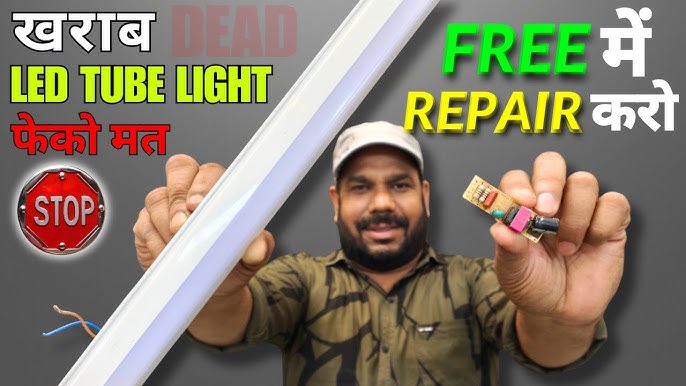
Are your LED decorative lights flickering or not turning on at all? It can be frustrating when your beautiful lights stop working, especially when you don’t want to spend extra money replacing them.
What if you could fix them yourself quickly and easily? In this guide, you’ll discover simple steps to repair your LED decorative lights and bring back their sparkle. Keep reading, and you’ll learn how to save time, money, and enjoy your glowing decorations once again.

Credit: www.reddit.com
Common Issues With Led Decorative Lights
LED decorative lights bring charm and warmth to any space, but they can sometimes stop working as expected. Knowing the common issues that affect these lights will help you troubleshoot faster and save money on replacements. Let’s look at the typical problems you might encounter and how they show up in your setup.
Burnt Out Bulbs
Burnt out bulbs are a frequent issue with LED decorative lights. Even though LEDs last longer than traditional bulbs, individual LEDs can fail over time due to power surges or manufacturing defects.
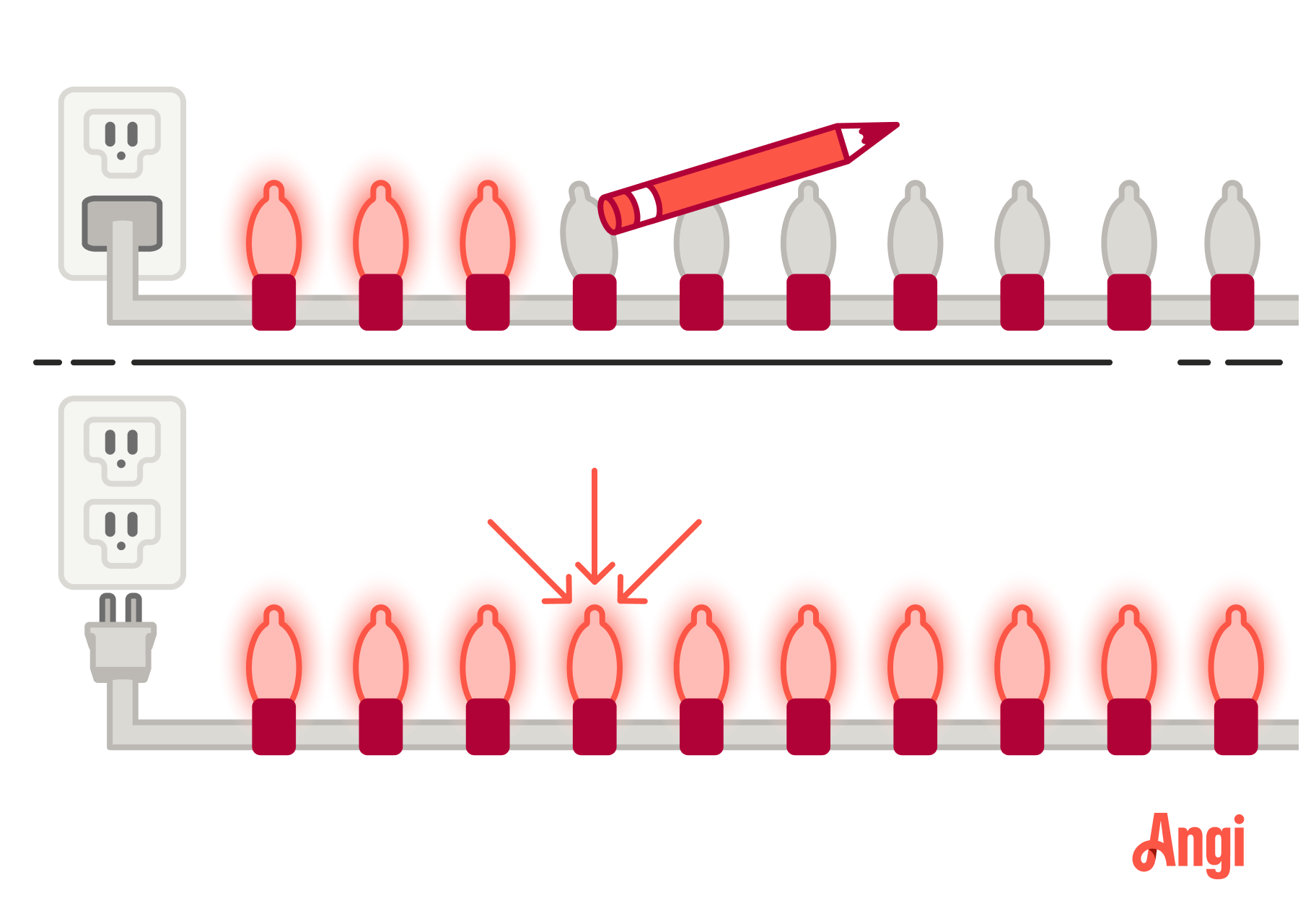
When one bulb burns out, it can cause part or all of the string to go dark. Have you ever noticed a section of your lights not lighting up? That’s often a dead bulb causing a break in the circuit.
Check each bulb carefully. Sometimes replacing just one bulb can restore the entire set to full brightness.
Broken Wires
Wires are the lifeline of your LED lights. Physical damage like cuts, bends, or fraying can interrupt the electrical flow and cause lights to flicker or go out completely.
Pets, furniture, or outdoor exposure often cause hidden wire damage. If your lights behave unpredictably, inspect the wires closely for any visible signs of wear or breaks.
Would you have guessed that a tiny nick in the wire could cause all the frustration? Fixing these minor damages can bring your lights back without needing a full replacement.
Faulty Power Supply
The power source is another common culprit. A faulty adapter or plug can prevent your LED lights from receiving the right voltage, causing them to dim, flicker, or fail entirely.
Sometimes, the issue isn’t with the lights but with the outlet or transformer. Testing your lights with a different power source can quickly reveal if the supply is at fault.
Next time your lights act up, ask yourself: Is the power supply steady and reliable? Ensuring a stable power source might be the simplest fix you need.
Tools Needed For Repair
Before you dive into fixing your LED decorative lights, gathering the right tools is crucial. The correct equipment not only makes the repair process smoother but also ensures your safety. Let’s look at what you’ll need to have on hand to get started.
Basic Electrical Tools
Having a set of reliable electrical tools can save you time and prevent frustration. Start with a multimeterto check voltage and continuity—it’s your best friend for diagnosing faults.
- Wire strippers:Essential for removing insulation without damaging the wires.
- Soldering iron:Used for reconnecting broken wires or components securely.
- Electrical tape:Helps in insulating repaired sections to avoid short circuits.
- Small screwdriver set:Useful for opening casings or tightening screws on connectors.
- Replacement bulbs or LEDs:Having spares on hand speeds up the repair process.
I once spent hours troubleshooting a string of lights only to realize the issue was a loose connection. A simple screwdriver and soldering iron fixed it quickly. Do you have these basic tools within reach for your next repair?
Safety Equipment
Working with electrical items means safety should never be an afterthought. Protect yourself with the right gear to avoid accidents.
- Insulated gloves:Shield your hands from electric shocks and sharp wire ends.
- Safety goggles:Prevent eye injuries from sparks or flying debris during soldering.
- Non-conductive mat:Provides a safe workspace by insulating you from potential electrical hazards.
- Voltage tester:Double-check that the lights are unplugged before touching wires.
Neglecting safety can turn a simple fix into a painful experience. Have you prepared your workspace to protect yourself effectively?
Inspecting The Lights
Repairing LED decorative lights can be both rewarding and cost-effective. Before diving into complex repairs, start with a thorough inspection. This initial step can often reveal simple fixes that can save you time and effort. Let’s guide you through inspecting your LED lights for potential issues.
Visual Check For Damage
Begin by examining the LED lights closely. Look for obvious signs of damage such as broken wires, cracked bulbs, or any noticeable wear and tear.
Check the casing and wire insulation to ensure there are no breaks or frayed sections. Sometimes, a damaged wire can lead to malfunctioning lights.
If you notice any physical damage, it might be worth considering a replacement or repair of the specific part. Identifying these issues early can prevent further complications.
Testing Bulbs And Connections
Next, test each bulb to ensure it’s functioning correctly. You can do this by using a multimeter or simply swapping the bulb with a known working one.
Check the connections between bulbs and wires. Loose or corroded connections can disrupt the electrical flow, causing some bulbs to not light up.
Ensure all connections are tight and free from rust or debris. This can often resolve issues without needing a complete overhaul of the lights.
Think about this: Have you ever overlooked a simple fix that cost you more time later? Taking the time to inspect thoroughly can save you from frustration down the line.

Credit: www.youtube.com
Fixing Burnt Out Bulbs
Fixing burnt out bulbs is a common task in maintaining LED decorative lights. These bulbs can stop working due to age or power surges. Identifying and replacing them restores the lights’ full glow and charm. This section guides you through the simple process of spotting faulty bulbs and changing them safely.
Identifying Faulty Bulbs
First, turn on the lights and look closely for dark or dim bulbs. Faulty bulbs often appear blackened or not lit at all. Check each bulb one by one in a well-lit room. Sometimes, a bulb might flicker before going out completely. Note down any bulbs that show these signs.
Some LED strings use a fuse system, so check if the entire string is off. If so, test bulbs in sections to find the faulty one. A multimeter can also help check bulbs for electrical continuity. This tool shows if the bulb still conducts electricity.
Replacing Bulbs Safely
Always unplug the lights before starting any repairs. Handle bulbs gently to avoid breaking them. Use a cloth or gloves to protect your hands from sharp edges. Match the replacement bulbs with the original type and size. Using wrong bulbs can cause damage or poor performance.
Insert the new bulb firmly but without forcing it. Double-check that each bulb sits well in its socket. After replacement, plug the lights back in and test if they work. Dispose of burnt-out bulbs properly to avoid injury or waste.
Repairing Broken Wires
Repairing broken wires in LED decorative lights restores their shine and safety. Small breaks can stop the entire string from working. Finding and fixing these breaks saves money and keeps your lights glowing bright. The process involves careful checking and precise joining of wires.
Locating Wire Breaks
Start by unplugging the lights to avoid shocks. Check each bulb and wire section for visible damage. Gently bend the wires; listen for crackling sounds. Broken wires often hide under insulation or connectors.
Use a multimeter to test wire continuity. Place the probes on either side of the suspected break. No reading means a break exists between those points. Mark the spot carefully for repair.
Soldering And Insulating
Strip about 1/4 inch of wire insulation at the break. Twist the wire ends together tightly. Heat the soldering iron and apply solder to the joint. The solder should flow smoothly and cover the wires fully.
After cooling, wrap the joint in electrical tape or heat shrink tubing. This protects against moisture and prevents shorts. Check the repair by plugging the lights in and watching for steady illumination.
Credit: www.angi.com
Addressing Power Supply Issues
Power supply issues are a common reason why your LED decorative lights might not be glowing as they should. Before deciding to replace the entire string, it’s smart to inspect and troubleshoot the power source. Fixing power problems can save you time, money, and frustration.
Checking The Adapter
The adapter is the first thing to check. Look closely for any signs of damage like frayed cables or bent prongs. Even if it looks fine, it might not be delivering the correct voltage.
Use a multimeter to test the adapter’s output voltage. Compare the reading with the voltage rating printed on the adapter label. If the numbers don’t match, the adapter is likely faulty.
Sometimes, simply unplugging and plugging it back in can reset the adapter. Have you ever thought about the impact of a loose connection? Tighten any loose plugs or connectors to ensure a steady power flow.
Replacing Or Repairing Power Sources
If the adapter is broken, replacing it with one that matches the voltage and current specifications is crucial. Using a wrong adapter can damage your lights or reduce their lifespan.
In some cases, you might find a solder joint or wire near the power source that’s come loose or broken. Carefully re-soldering these connections can restore power without buying new parts.
Have you noticed flickering lights? This might indicate intermittent power supply issues. Try swapping the power source with a known working one to isolate the problem.
Remember, handling electrical parts requires caution. Always unplug the lights before making repairs and avoid working in wet conditions. Your safety comes first.
Preventive Maintenance Tips
Preventive maintenance is key to keeping your LED decorative lights shining bright year after year. By taking a few simple steps, you can avoid common issues like flickering bulbs or broken wires. These tips help save you time and money while extending the lifespan of your lights.
Proper Storage
How you store your LED lights when not in use makes a big difference. Always coil the string gently without twisting it tightly to prevent internal wire damage.
Use a sturdy container or original packaging to keep the lights safe from dust, moisture, and crushing. Labeling the box with the type and length of lights helps you find them quickly next season.
Do you remember a time when tangled lights wasted hours of your holiday setup? Avoid that hassle by dedicating a storage spot and method just for your decorative lights.
Regular Inspections
Check your LED lights before each use to catch issues early. Look for cracked bulbs, exposed wires, or loose connections that can cause shorts or failures.
Test the lights by plugging them in briefly. If some bulbs are dim or flickering, replace them right away to prevent further damage.
Have you ever started decorating only to find half the lights don’t work? A quick inspection can save that frustration and help you enjoy a flawless display every time.
Frequently Asked Questions
How Do I Fix Non-working Led Decorative Lights?
Check the power source and connections first. Replace any blown fuses or broken bulbs. Use a multimeter to test wiring continuity. Repair or replace damaged wires carefully to restore functionality.
What Tools Are Needed To Repair Led Decorative Lights?
You need a multimeter, wire strippers, electrical tape, soldering iron, and replacement bulbs or wires. These tools help diagnose faults and fix broken connections safely and effectively.
Can I Repair Led Lights With Broken Wires?
Yes, strip the damaged wire ends and twist or solder them together. Insulate the connection with electrical tape or heat shrink tubing to prevent short circuits.
Why Do Some Led Decorative Lights Flicker Or Dim?
Flickering or dimming often indicates loose connections, faulty bulbs, or low voltage. Check and secure all connections and replace any defective bulbs to fix this issue.
Conclusion
Repairing LED decorative lights can save money and reduce waste. Check wires, bulbs, and connections carefully. Use simple tools and follow safety steps. Small fixes often bring lights back to life. Enjoy bright, glowing decorations without buying new ones. Keep these tips handy for future repairs.
A little effort goes a long way. Brighten your space with working LED lights again.