
Have you ever wanted to add a magical glow to your underwater decorations? Turning on lights under water can transform your space, creating a stunning and calming atmosphere.
But you might be wondering, how do you safely and effectively power those lights beneath the surface? In this guide, you’ll discover simple steps to bring your underwater decorations to life with bright, beautiful lighting. Keep reading, and you’ll learn everything you need to know to make your underwater scene shine like never before.
Choosing The Right Underwater Light
Choosing the right underwater light is key to creating a stunning and safe water decoration. The variety of options can feel overwhelming, but focusing on the type, waterproof rating, and power source will help you make a smart choice. The right light not only enhances your water feature but also lasts longer and works more efficiently.
Types Of Underwater Lights
Underwater lights come in several types, each suited for different effects and purposes. LED lights are popular due to their energy efficiency and vibrant colors. Halogen lights offer bright, warm illumination but use more power and generate heat.
You might also find solar-powered underwater lights, which are perfect if you want to avoid wiring. Fiber optic lights provide subtle, safe illumination without electricity in the water. Think about the mood you want to create and the maintenance you’re comfortable with when selecting the type.
Waterproof Ratings To Consider
The waterproof rating of your underwater light is crucial for safety and durability. Look for lights with an IP68 rating, which means they are fully protected against water immersion. Lower ratings like IP65 or IP67 may be fine for splash zones but not for full submersion.
Have you ever bought a light that failed within days because it wasn’t suited for underwater use? Avoid that frustration by checking the rating carefully. A reliable waterproof rating ensures your investment stays bright and safe.
Power Sources And Compatibility
Consider how your underwater light will be powered. Wired lights usually provide consistent brightness but require careful installation and waterproof connectors. Battery-operated options offer flexibility and easy placement but need regular charging or battery changes.
Solar-powered lights are great for outdoor ponds with good sunlight but might dim on cloudy days. Also, verify that your light’s power source matches your water decoration setup to avoid technical issues. What’s your priority: convenience, brightness, or energy efficiency?

Credit: www.instagram.com
Preparing For Installation
Check all electrical parts for damage before starting. Make sure the power source is off to avoid accidents. Prepare tools and read instructions carefully for safe installation.
Turning on lights under water can transform a simple decoration into a mesmerizing focal point, capturing attention and creating an enchanting atmosphere. But before you dive into the installation process, it’s crucial to prepare thoroughly. Proper preparation ensures not only the longevity of your setup but also your safety and the effectiveness of the lighting.Gathering Necessary Tools
Start by assembling the essential tools for the installation. You’ll need waterproof lighting fixtures specifically designed for underwater use. Look for options with a high IP rating, which indicates their ability to withstand water exposure. Have a toolkit ready with screwdrivers, pliers, and a voltage tester. These tools will help you secure the lights and check electrical connections. Many people overlook the importance of quality tools, but they can make the installation process smoother and less prone to errors.Safety Precautions
Safety should be your priority when dealing with electricity and water. Check the power source and ensure it’s suitable for underwater lighting. Use a circuit breaker to prevent electrical hazards. Wear protective gloves and goggles to safeguard yourself during installation. It’s surprising how easy it is to forget these basics, but they can save you from potential injuries. Remember, a safe setup means peace of mind every time you admire your underwater lights.Selecting The Installation Spot
Choosing the right spot for your lights is key to achieving the desired effect. Consider areas where the lights will enhance the overall aesthetic, such as near decorative rocks or plants. Evaluate the depth and water clarity to ensure the lights can illuminate effectively. You want to avoid spots where the lights might be obstructed or where maintenance could be challenging. Think about the impact the lights will have on the surrounding environment—how will they influence the mood or ambiance?Installing The Underwater Light
Installing an underwater light requires careful attention to detail to ensure safety and long-lasting performance. The process involves securely fixing the light, protecting all electrical connections, and verifying everything works before placing the light underwater. Taking time during installation prevents future issues and keeps your underwater decoration shining bright.
Mounting The Light Fixture
Start by choosing a stable and suitable spot on your underwater decoration to mount the light. The fixture should be firmly attached to avoid shifting or falling. Use mounting brackets or screws designed for wet environments to keep the light steady.
Think about the direction of the light beam. You want to highlight your decoration without creating harsh shadows or blinding reflections. Adjust the angle before tightening everything in place.
Sealing Connections
Waterproofing is critical for underwater lighting. Every electrical connection must be sealed tightly to prevent water from entering and causing damage. Use waterproof connectors and wrap them with marine-grade electrical tape or silicone sealant.
Don’t overlook the power cable entry point. Applying a proper seal there stops water from creeping inside. This step can save you from electrical shorts and extend your light’s life.
Testing Before Submersion
Before lowering the light into the water, test it thoroughly. Connect the power and switch the light on to ensure it functions correctly. Look for any flickering or unusual behavior.
Try a temporary water test by dipping the light or using a bucket of water to check for leaks. Catching problems now means fewer headaches later. Are you confident your setup can handle being underwater?

Credit: www.youtube.com
Turning On And Controlling The Light
Turning on and controlling the light under your water decoration is the key to creating the perfect ambiance. It’s not just about flipping a switch; it’s about customizing your lighting to suit the mood or highlight specific features. Knowing how to operate and adjust your underwater lights can transform your space instantly.
Using Switches And Controllers
Most underwater lights come with basic switches or wired controllers. These are usually installed near the power source or on a nearby wall. Using these switches is straightforward—just flip the switch to turn the lights on or off.
Controllers may offer more options, like setting timers or controlling multiple lights at once. If you prefer simplicity, a manual switch might be all you need. Have you checked where your controller is located? Sometimes it’s hidden to maintain the decor’s aesthetics.
Remote And Smart Options
Remote controls add convenience, especially if your underwater lights are hard to reach. With a remote, you can turn the lights on or off without getting wet or moving around too much.
Smart lighting systems take this a step further by letting you control your underwater lights from your phone or voice assistant. Imagine adjusting your pool’s glow while relaxing inside. Are you ready to make your water decoration part of your smart home setup?
Adjusting Brightness And Colors
Being able to adjust brightness lets you set the perfect light intensity. Bright light might be great for parties, but a dimmer glow helps create a relaxing vibe. Many underwater lights come with dimmer controls or apps that let you slide the brightness up or down.
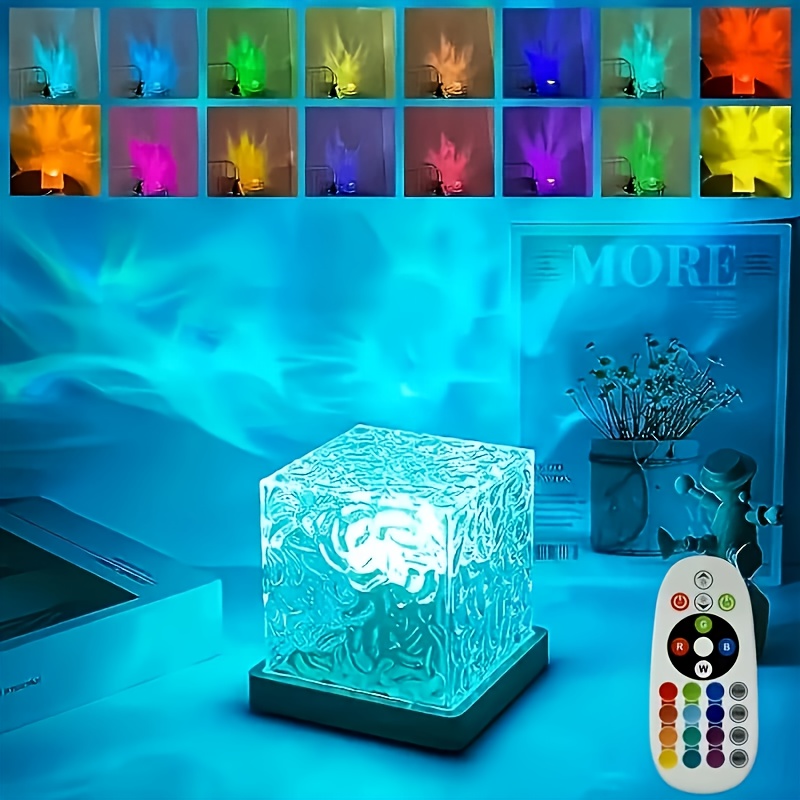
Color-changing lights add another layer of personalization. You can switch between cool blues, warm yellows, or even vibrant reds. Playing with colors can highlight different parts of your water feature or match your event’s theme. What mood do you want your underwater lights to set tonight?
Maintaining Your Underwater Light
Maintaining your underwater light ensures it works well and lasts longer. Regular care prevents damage from water and dirt. This keeps your decoration bright and safe. Simple habits help avoid costly repairs and replacements. Let’s explore key ways to maintain your underwater light.
Regular Cleaning Tips
- Turn off the light and unplug it before cleaning.
- Use a soft cloth or sponge to wipe the surface gently.
- Remove algae and mineral deposits with a mild soap solution.
- Rinse the light with clean water after cleaning.
- Dry the light completely before turning it back on.
- Clean the surrounding water area to reduce dirt buildup.
Troubleshooting Common Issues
- Check the power source and connections if the light won’t turn on.
- Look for cracks or damage on the light’s casing.
- Inspect the wiring for corrosion or loose ends.
- Test the switch and controls for proper operation.
- Replace seals or gaskets if water leaks inside the light.
- Consult the user manual for specific error codes or signals.
Replacing Bulbs And Batteries
- Turn off and unplug the light before replacing parts.
- Use bulbs recommended by the manufacturer for compatibility.
- Handle bulbs carefully to avoid damage or burns.
- Follow instructions to open the light casing safely.
- Insert new batteries with correct polarity if battery-powered.
- Test the light after replacement to ensure it works properly.
Credit: www.temu.com
Frequently Asked Questions
How Do I Safely Power Underwater Lights?
Use waterproof, low-voltage LED lights with a GFCI outlet. Ensure all connections are sealed and rated for underwater use to prevent electric shock and damage.
What Type Of Lights Work Best Underwater?
LED lights designed for underwater use are best. They are energy-efficient, waterproof, and provide bright, long-lasting illumination.
Can I Control Underwater Lights Remotely?
Yes, many underwater lights come with remote controls or smart home integration. This allows easy on/off and color changes without physical access.
How To Install Underwater Lights In Decorations?
Attach lights securely using waterproof clips or adhesives. Connect to a safe power source and test before submerging to ensure functionality.
Conclusion
Turning on lights under water decorations adds beauty and charm. It creates a calm and inviting space around your water feature. Choose safe, waterproof lights designed for underwater use. Always check the power source and wiring before installation. Brightness and color can change the mood easily.
With simple steps, you can enjoy glowing water anytime. Small details make your decoration stand out at night. Experiment with different lights to find what suits your style best. Enjoy the peaceful glow and relax by your water decoration.