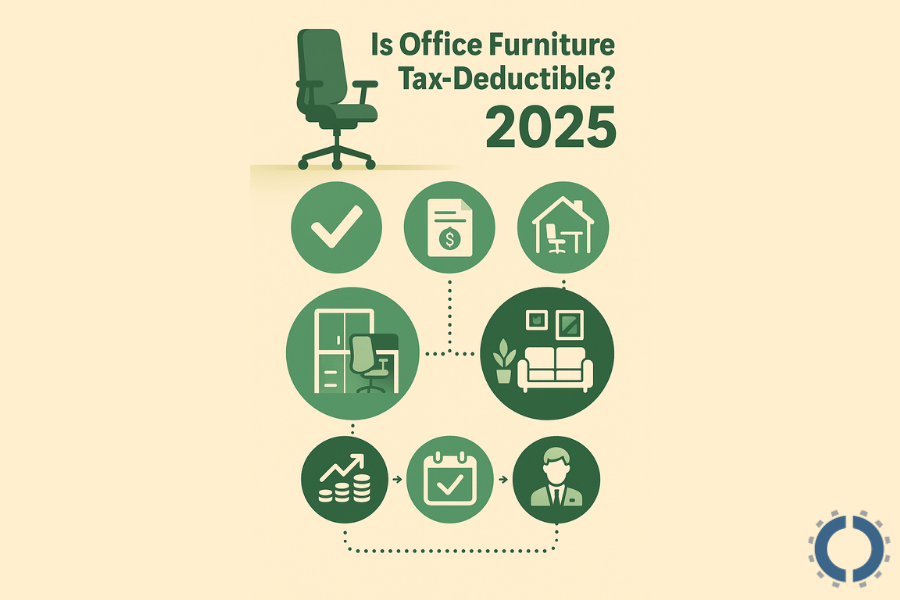
Are you wondering if the money you spend on decorating your office can actually save you taxes? You’re not alone.
Many business owners and freelancers ask the same question. Knowing whether your office decor is tax deductible can help you make smarter choices and keep more of your hard-earned cash. You’ll discover the key facts about office decor deductions and how to make the most of them.
Keep reading to find out exactly what counts and what doesn’t—so you don’t miss out on potential savings.
Tax Rules For Office Decor
Understanding the tax rules for office decor can save you money and avoid headaches during tax season. Not all expenses related to decorating your office space are deductible, so you need to know which costs qualify and how to classify them properly. Let’s break down the key tax considerations that affect your office decor deductions.
Business Expense Criteria
To qualify as a deductible business expense, your office decor must be both ordinary and necessary for your business. Ordinary means it’s common and accepted in your industry. Necessary means it’s helpful and appropriate, but not necessarily essential.
For example, buying ergonomic chairs or proper lighting can count as necessary expenses because they improve your work environment and productivity. On the other hand, extravagant decorations that don’t serve a business purpose might not qualify.
Home Office Vs. Commercial Space
Your office location changes how you deduct decor costs. If you work from a home office, only the portion of decor used exclusively for business can be deducted. This means you must calculate the percentage of your home dedicated to your office.
In contrast, if you rent or own a commercial space, all decor expenses related to that space are generally deductible. Keep in mind, personal areas within the commercial space are excluded from deductions.
Capital Expenses Vs. Deductible Costs
Some office decor items count as capital expenses, which you can’t deduct all at once. Instead, you must depreciate these costs over several years. Examples include expensive furniture or built-in shelving.
Smaller items, like wall art or lamps, typically count as deductible costs and can be written off in the year you buy them. It’s important to track the price and type of each purchase to know whether to expense it immediately or spread the deduction over time.
Credit: collaborative-office.com
Types Of Deductible Office Decor
Understanding which office decor expenses qualify for tax deductions can save money. Certain types of office decor are considered necessary for business operations. These items improve the work environment and boost productivity. Knowing deductible categories helps in proper expense tracking and filing.
Furniture And Fixtures
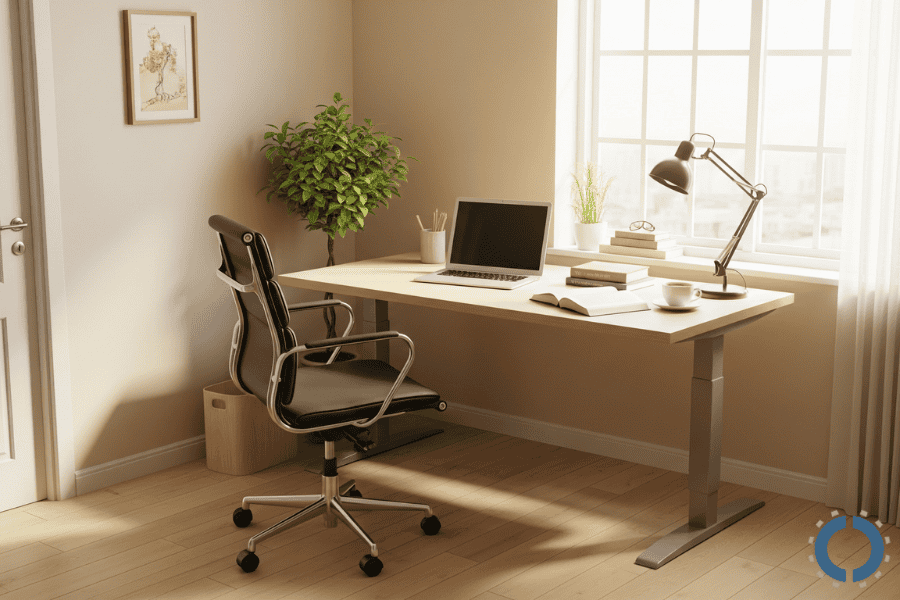
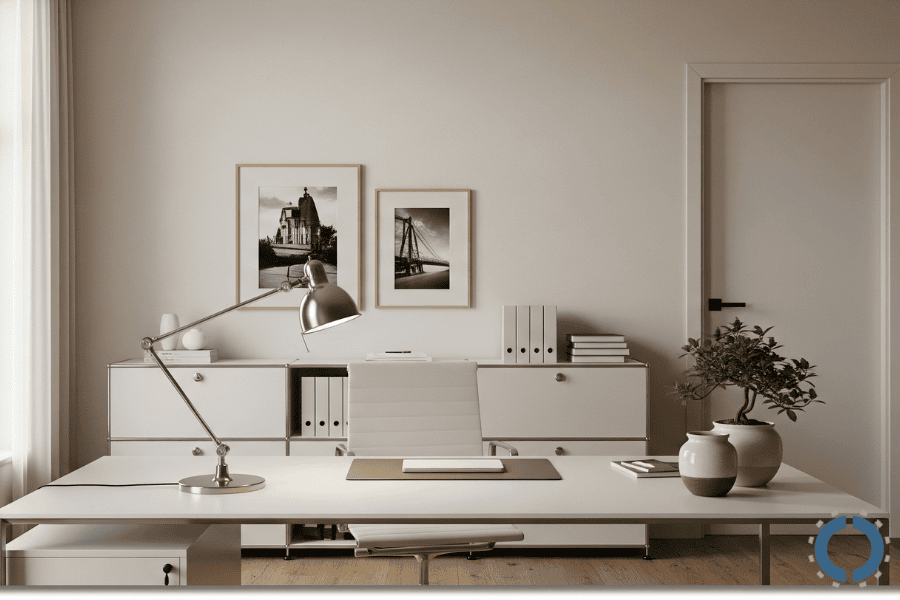
Office furniture such as desks, chairs, and filing cabinets can be deductible. Fixtures like built-in shelves and partitions also count. These items must be used mainly for business purposes. They should provide a functional workspace rather than just decoration.
Artwork And Decorations
Artwork that enhances the office environment may be deductible. Paintings, prints, and sculptures used in the office space qualify. Decorations must serve a clear business purpose, such as improving client impressions or employee morale. Personal decorations typically do not qualify.
Lighting And Accessories
Lighting fixtures like lamps and overhead lights used in the office can be deductible. Accessories such as clocks, bulletin boards, and plants may also qualify. These items should contribute to a better work setting. Expenses on purely decorative accessories might not be eligible.
Limits And Restrictions
Office decor expenses are deductible only if they are necessary and used exclusively for work. Personal or mixed-use items usually do not qualify. Strict rules limit what can be claimed to avoid tax issues.
Navigating the labyrinth of tax deductions for office decor can be quite perplexing, especially when it comes to understanding the limits and restrictions. If you’re wondering whether your stylish new office chair or those inspiring wall prints can be deducted, it’s crucial to know where the IRS draws the line.Personal Vs. Business Use
The IRS is quite particular about distinguishing between personal and business use. If your home office doubles as a guest room, only a portion of your decor expense might qualify for deductions. It’s essential to ensure the space is exclusively used for business activities. How do you prove the exclusivity of your office space? Consider keeping detailed records and photographs showing the layout, making it easier to justify your claim.Depreciation And Write-offs
While immediate write-offs sound appealing, some office decor items may need to be depreciated over time. For instance, that expensive ergonomic chair could be considered a capital expenditure, requiring depreciation. Understanding depreciation schedules can help you maximize tax savings. Consult a tax professional to determine the best strategy for your specific items.Record-keeping Requirements
Keeping meticulous records is crucial when deducting office decor expenses. Save every receipt and invoice related to your office purchases. Consider maintaining a digital folder where you can easily store and access these documents. This habit not only simplifies the tax filing process but also strengthens your position if audited. Are you confident in your record-keeping practices? Ensuring accuracy and organization can make a significant difference in your tax deductions.
Credit: collaborative-office.com
Strategies To Maximize Deductions
Maximizing your tax deductions on office decor requires smart planning and informed decisions. The right strategies can help you reduce your taxable income while creating a workspace that inspires productivity. Let’s look at practical ways you can stretch your budget and keep more money in your pocket.
Choosing Cost-effective Decor
You don’t have to spend a fortune to make your office look professional and inviting. Focus on items that offer both function and style, like durable furniture or versatile lighting. Consider second-hand stores or clearance sales for quality pieces that come at a fraction of the price.
Ask yourself: Does this item serve multiple purposes? For example, a bookshelf can also act as a room divider. This approach not only saves money but also maximizes your deduction potential.
Timing Your Purchases
When you buy office decor can impact how much you deduct on your taxes. Make purchases toward the end of your financial year to better manage your expenses and deductions. This timing allows you to capture all your office-related expenses within the same tax period.
Think about planning ahead. Are there upcoming sales events like Black Friday or seasonal clearances? Align your decor purchases with these opportunities to get the best deals and maximize your deductible expenses.
Leveraging Section 179 Deduction
Section 179 allows you to deduct the full cost of qualifying office equipment and furniture in the year you buy it instead of spreading the deduction over several years. This can significantly reduce your taxable income right away.
Keep detailed records and receipts to prove your purchases qualify. Have you checked if your new ergonomic chair or office desk fits under this deduction? Taking advantage of Section 179 can turn a simple purchase into a powerful tax-saving move.
Common Mistakes To Avoid
Understanding tax deductions for office decor can be tricky. Many business owners make simple errors that cost them money. Avoiding common mistakes helps protect your deductions. Keep your records clear and your claims accurate. This section highlights frequent errors to watch out for.
Mixing Personal And Business Expenses
Combining personal and business purchases causes problems. Only expenses directly related to your office are deductible. Personal items do not qualify and may trigger audits. Keep separate accounts or credit cards for business spending. Track each purchase carefully to avoid confusion.
Ignoring Documentation
Proper records are essential for tax deductions. Receipts, invoices, and proof of payment must be saved. Without documentation, deductions may be denied by tax authorities. Organize your paperwork regularly to avoid missing documents. Digital copies can help keep everything in one place.
Misclassifying Expenses
Expenses must be categorized correctly on your tax return. Office decor should be listed under the right business expense category. Misclassification can lead to rejected deductions or penalties. Consult IRS guidelines or a tax professional for accurate classification. Clear labeling of expenses reduces errors and simplifies filing.
Credit: collaborative-office.com
Consulting Professionals
Understanding whether your office decor expenses are tax deductible can get complicated quickly. Consulting professionals is a smart move to avoid costly mistakes and to ensure you are maximizing your tax benefits. Experts bring clarity to your unique situation and help you navigate the ever-changing tax rules with confidence.
When To Hire A Tax Advisor
If your office setup involves significant spending on decor, furniture, or renovations, it’s time to consider hiring a tax advisor. They are especially helpful when you’re unsure if your purchases qualify as business expenses or if you need guidance on depreciation rules.
Also, if you’ve faced IRS inquiries or audits before, a tax professional can safeguard you from future issues. Don’t wait until tax season stress hits; early consultation often prevents headaches later on.
Questions To Ask Your Accountant
To get the most from your consultation, prepare targeted questions. Ask your accountant:
- Which office decor expenses are fully deductible versus those that need to be depreciated over time?
- How should I document these expenses to meet IRS requirements?
- Are there any recent tax law changes affecting home office or business office deductions?
- Can I deduct improvements or only repairs to my office space?
- How do mixed-use spaces (personal and business) impact deductible amounts?
Clear answers to these questions will empower you to make smarter financial decisions. Have you ever skipped asking a crucial question that later cost you money? Don’t let that happen this time.
Frequently Asked Questions
Is Office Decor A Tax-deductible Business Expense?
Yes, office decor can be tax-deductible if it is used exclusively for business. Expenses must be ordinary and necessary to qualify for deductions.
What Types Of Office Decor Qualify For Tax Deductions?
Items like furniture, artwork, and lighting used in your workspace may qualify. The decor should directly support your business activities.
Can Home Office Decor Be Deducted On Taxes?
Home office decor is deductible if the space is used regularly and exclusively for business. Proper records and receipts are essential.
How Do I Document Office Decor Expenses For Tax Purposes?
Keep all receipts and invoices related to decor purchases. Maintain records showing the business use of these items.
Conclusion
Office decor can often be a tax-deductible expense. It depends on how you use your workspace. Only items used solely for work qualify. Keep good records and receipts for your purchases. Consult a tax professional to be sure. Claiming the right deductions saves money.
Small changes in your office add up over time. Tax rules can change, so stay updated. A neat, functional office boosts work focus too. Consider your office needs carefully before buying.