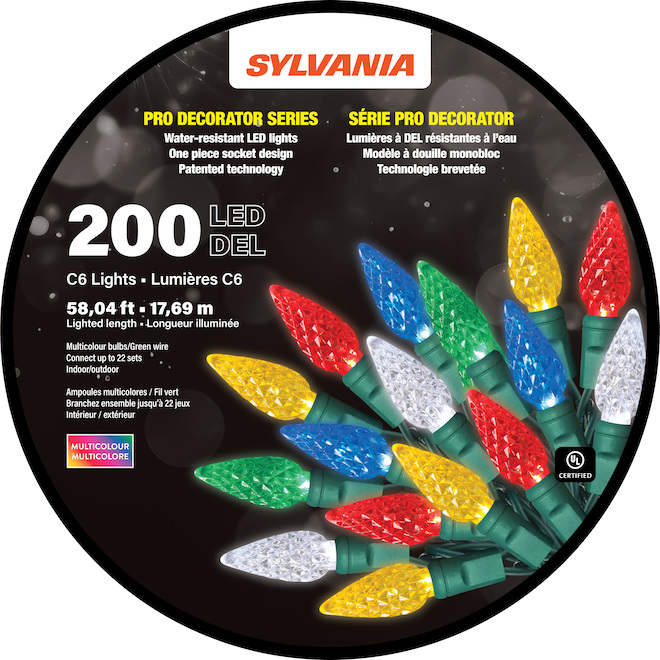
Have you ever wondered what makes some decorative lights glow with a unique charm? You might be surprised to learn that radon, a gas you usually hear about in safety warnings, has been linked to certain types of lighting.
But is radon actually used in decorative lights, or is it just a myth? If you want to uncover the truth and understand how radon could affect the lights in your home, keep reading. This article will clear up the mystery and help you make smarter choices about your lighting.
Radon Basics
Understanding radon is key before considering its use in any product, including decorative lights. Radon is a naturally occurring gas, but it carries unique traits that influence its applications and risks. Let’s break down the basics so you can see why radon is rarely, if ever, used in lighting designs.
What Is Radon?
Radon is a colorless, odorless, and tasteless radioactive gas. It forms naturally when uranium in soil, rock, and water breaks down. You can’t see or smell radon, which makes it a hidden presence in many environments.
Have you ever wondered why some basements test positive for radon? That’s because radon seeps through cracks and openings in buildings from the ground below. Its radioactive nature means prolonged exposure can be harmful.
Sources Of Radon
Radon originates mainly from the decay of uranium found in the Earth’s crust. Common sources include:
- Soil and rock beneath homes
- Groundwater in wells
- Building materials containing trace uranium
This means radon levels can vary greatly by location. If you live in an area with high uranium content in the soil, radon buildup indoors can be a serious concern.
Radon’s Properties
Radon is chemically inert, meaning it does not easily react with other substances. It’s a noble gas, like helium or neon, which explains why it doesn’t combine with other elements.
Its radioactive decay releases alpha particles, which can damage lung tissue when inhaled. This property makes radon more of a health risk than a useful material for decorative lighting.
Given radon’s radioactivity and health risks, do you think it’s safe or practical to use radon in decorative lights? The risks outweigh any potential glow it might produce, steering designers toward safer alternatives.
Credit: www.rona.ca
Radon In Decorative Lighting
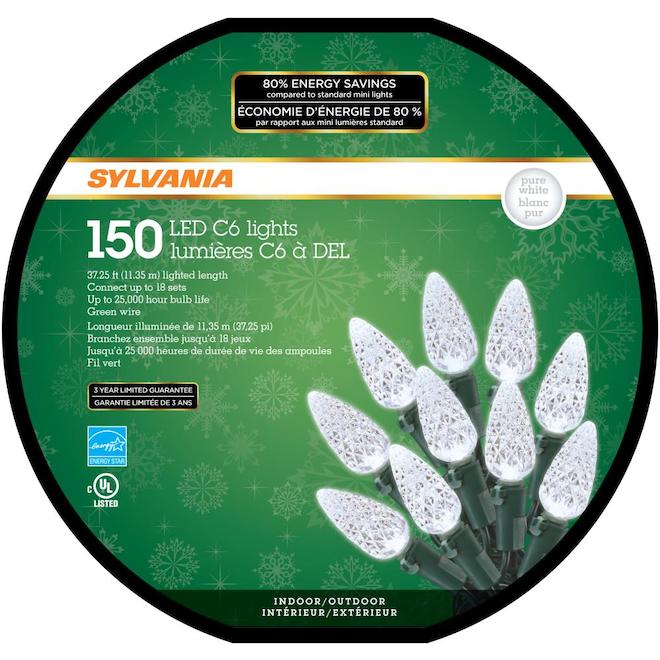
Radon is a radioactive gas and is not used in decorative lighting. Decorative lights rely on safe materials like LEDs or bulbs. Using radon would be harmful and is avoided in all lighting products.
Radon in Decorative Lighting Decorative lights come in many shapes and sizes. They brighten our spaces and moods. People often wonder about the materials used in these lights. Is radon among them?Common Materials In Decorative Lights
Decorative lights usually contain glass, metal, and plastic. These materials are chosen for durability. They help lights emit beautiful colors. Some use gases like neon and argon. These gases create vibrant effects. Safety is key in choosing materials.Radon’s Role, If Any
Radon is a naturally occurring gas. It is radioactive and invisible. This makes it unsuitable for decorative lights. Safety concerns prevent its use. Manufacturers prefer safer gases. Neon and argon are popular choices. They are harmless and effective.Comparison With Other Gases
Neon and argon are widely used in lighting. They offer bright, appealing colors. Radon is different. It’s dangerous and not used in lights. Safety and visual appeal matter. Neon and argon are chosen for these reasons. They enhance spaces without risk.Health And Safety Concerns
Radon is a naturally occurring gas that raises important health and safety concerns. Understanding these concerns is crucial, especially regarding its use or presence in household items like decorative lights. Radon’s properties and effects demand careful attention to ensure a safe living environment.
Radon’s Radioactivity
Radon is a radioactive gas produced by the decay of uranium in soil and rocks. It emits alpha particles that can damage lung tissue when inhaled. This radioactivity makes radon a hidden but serious health threat inside homes. It is colorless, odorless, and tasteless, so people cannot detect it without special devices.
Risks In Household Settings
Radon can seep into houses through cracks in floors and walls. Long-term exposure increases the risk of lung cancer. Children and smokers face higher health risks from radon. Decorative lights do not typically contain radon, but radon gas can accumulate around household items if the home has high radon levels. Awareness and testing are essential to reduce exposure.
Safety Regulations
Many countries have set safety limits for indoor radon levels. The Environmental Protection Agency (EPA) recommends action if radon levels exceed 4 picocuries per liter. Building codes often require radon-resistant construction in new homes. Regular testing and mitigation systems help keep radon levels low. Manufacturers of household products must follow strict guidelines to avoid radon contamination.

Credit: bigstarlights.ca
Myths Vs Facts
Radon often sparks curiosity and concern, especially about its uses and dangers. Many wonder if radon is part of decorative lighting. Myths and facts clash strongly on this topic. Sorting truth from fiction helps clear confusion. It also guides safer choices and better knowledge.
Popular Misconceptions
- Radon glows and can light up rooms like neon gas.
- Radon is commonly used in decorative lamps and art pieces.
- Radon is safe because it is just another inert gas.
- Radon’s glow makes it attractive for home decor.
These ideas spread fast but do not hold up under scrutiny. Radon is invisible, tasteless, and odorless. It does not emit visible light like neon or argon.
Scientific Evidence
Radon is a radioactive noble gas produced by uranium decay. It emits harmful alpha particles that cannot pass through skin but can damage lungs if inhaled. No scientific study supports radon’s use in lighting or decoration.
Gases used in lights, such as neon, argon, and krypton, are stable and safe in sealed tubes. Radon’s radioactivity makes it unsafe and impractical for such uses.
Why Radon Is Rarely Used
- Radon’s radioactivity poses serious health risks.
- It is difficult and expensive to contain safely.
- Radon does not produce visible light for decoration.
- Other gases provide safer, brighter, and cheaper lighting.
Due to these reasons, radon is almost never used in decorative lighting or household items. Its dangers outweigh any potential benefits.
Alternative Gases In Lighting
Radon is rarely used in decorative lighting due to its radioactive nature and associated health risks. Instead, other inert gases take center stage to create vibrant and safe lighting effects. Understanding these alternative gases can help you appreciate why your favorite neon signs glow so brightly without any danger.
Neon And Argon
Neon and argon are the most common gases used in decorative lighting. Neon emits a classic bright red-orange glow, instantly recognizable in signs and art installations. Argon produces a softer blue light and is often mixed with other elements to create various colors.
How They Work
These gases glow when an electric current passes through them inside glass tubes. The electricity excites the gas atoms, causing them to emit light. You can see this glow clearly in neon signs, where different gases and coatings on the glass produce a wide range of colors.
Advantages Over Radon
- Safety:Neon and argon are non-toxic and non-radioactive, making them safe for indoor and outdoor use.
- Longevity:These gases can last for years without losing brightness, reducing the need for frequent replacements.
- Color Variety:By combining argon with mercury or using colored glass, manufacturers can create multiple hues beyond neon’s natural red.
- Cost-Effective:Neon and argon are more affordable and easier to source compared to radon.
Next time you see a glowing sign, consider how neon or argon might be behind that vibrant color, providing both beauty and safety. Would you prefer your decorative lights to be eye-catching and safe, or risky and rare?
Future Of Lighting Technology
The future of lighting technology is bright and full of new ideas. Scientists and engineers work to create lights that use less energy and last longer. These lights also aim to be safer and more eco-friendly. New gases and materials may change how we light our homes and streets. Exploring different gases could lead to unique light effects and styles.
Innovations In Gas Lighting
Gas lighting has evolved from old street lamps to modern designs. Researchers test different gases to find better brightness and color. Some gases glow softly, while others shine very bright. Advances in LED and gas combinations create new lighting options. These lights use less power and can last many years. Designers use gas lighting to make spaces feel warm and cozy.
Potential Role Of Radon
Radon is a radioactive gas found naturally underground. It is not common in lighting because of safety worries. Some studies explore if radon can produce unique light colors. Using radon in lights would need strong safety controls. Its glow might be interesting for special decorative lamps. The future may see careful radon use in niche lighting products.
Environmental Impact
New lighting technology must protect the planet. Energy-efficient lights reduce pollution and save money. Gas lighting with safe gases can cut harmful emissions. Radon use raises concerns due to radioactivity and health risks. Proper disposal and handling of gas lamps are essential. Choosing eco-friendly lighting helps keep air and water clean.

Credit: studyx.ai
Frequently Asked Questions
Is Radon Gas Used In Decorative Lights?
No, radon gas is not used in decorative lights. Radon is a radioactive gas and poses health risks. Decorative lights typically use safe materials like LEDs or incandescent bulbs, not radioactive substances.
Why Isn’t Radon Used In Decorative Lighting?
Radon is radioactive and dangerous to human health. It is unsuitable for consumer products like decorative lights. Safety regulations prohibit using harmful radioactive gases in household items.
What Materials Are Commonly Used In Decorative Lights?
Decorative lights commonly use LEDs, incandescent bulbs, or fluorescent tubes. These materials are safe, energy-efficient, and provide vibrant lighting effects. They pose no radioactive risk unlike radon.
Can Radon Exposure Come From Decorative Lights?
No, decorative lights do not emit radon or radioactive radiation. Radon exposure mainly occurs from natural soil gas infiltration in buildings, not from lighting fixtures.
Conclusion
Radon is a radioactive gas found naturally in the ground. It is not safe to use in decorative lights. Radon can harm health if breathed in large amounts. Light makers use safer materials for glowing effects. Decorative lights use LEDs, neon, or other non-toxic gases.
Knowing this helps you choose safe lighting for your home. Always check product safety before buying decorative lights. Bright, beautiful, and safe—lights don’t need radon to shine.