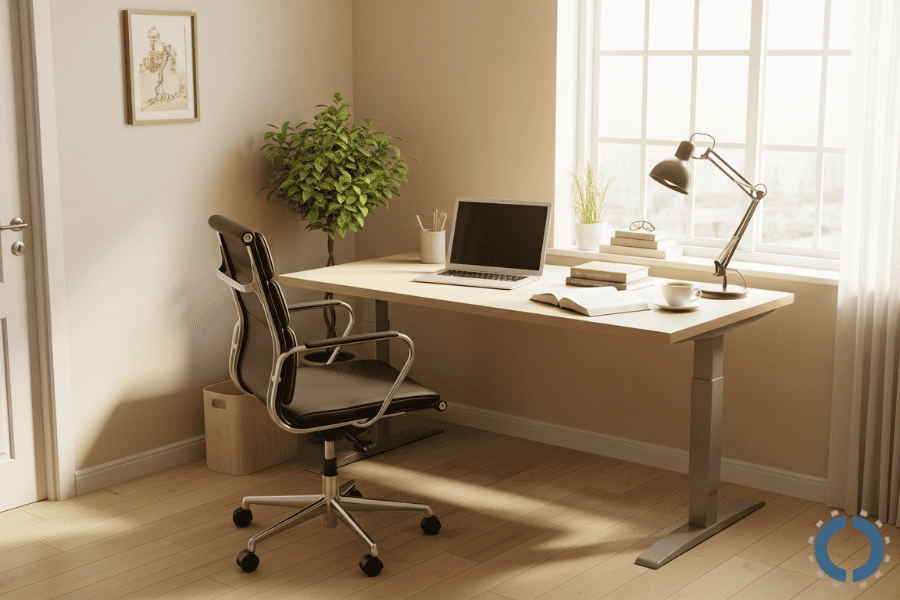
Are you wondering how to categorize your office decor when it comes to taxes? You’re not alone.
Many business owners struggle with where to place these expenses on their tax returns. Getting this right can save you money and keep your records clear. You’ll discover exactly what tax category office decor falls under and how to handle it properly.
Keep reading to make sure you don’t miss out on potential deductions and stay on top of your finances.
Credit: polstontax.com
Office Decor And Tax Deductions
Office decor plays a role in shaping a professional workspace. Many business owners wonder if these expenses count as tax deductions. Understanding the tax category for office decor can save money and simplify accounting.
Tax rules allow some office decor costs to be deducted. These deductions reduce taxable income. Knowing which items qualify helps in maximizing benefits without errors.
What Qualifies As Office Decor For Tax Deductions?
Office decor includes items that improve your workspace appearance. Examples include:
- Paintings and wall art
- Decorative lighting
- Plants and planters
- Rugs and curtains
- Furniture with aesthetic value
Expenses must relate directly to a business area. Personal use items do not qualify.
How To Categorize Office Decor Expenses
Office decor usually falls under business expenses. It can be listed as:
- Office supplies and expenses
- Furniture and equipment
- Repairs and maintenance (if fixing decor)
Choose the right category based on the item type and cost.
Limits And Rules For Deducting Office Decor
Small decor costs are often fully deductible in the purchase year. Large expenses might need to be depreciated over time.
Keep these points in mind:
- Items must be ordinary and necessary for business
- Personal use reduces deductible amount
- Maintain receipts and records for proof
Tips For Maximizing Office Decor Tax Deductions
- Separate business and personal decor clearly
- Track expenses as soon as purchases happen
- Consult a tax professional for complex cases
- Use accounting software to categorize expenses
Credit: collaborative-office.com
Types Of Deductible Office Decor
Understanding the types of office decor that qualify as deductible expenses can help you maximize your tax savings. Not all decorations count, but many essential items you use daily in your workspace may qualify. Knowing which categories apply can make your tax filing smoother and more beneficial.
Furniture And Fixtures
Furniture like desks, chairs, and filing cabinets are usually deductible if they are used exclusively for your work. These items contribute directly to your productivity and create a functional workspace.
Fixtures such as built-in shelves or partitions also count if they enhance your office environment. Think about that ergonomic chair you invested in—did it improve your comfort and focus? If yes, it’s likely deductible.
Artwork And Decorations
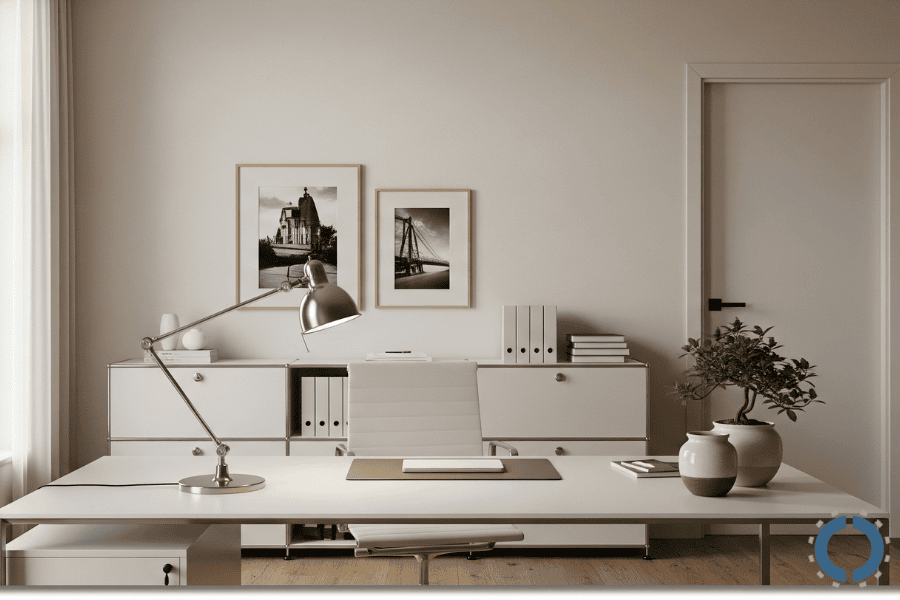
Office artwork, such as paintings or framed prints, can be deductible when they serve a business purpose. For example, displaying art in a client meeting area can create a professional atmosphere that supports your brand image.
Seasonal decorations, however, might not always qualify. It’s important to differentiate between personal items and those that maintain your office’s professional look.
Lighting And Accessories
Good lighting is essential for a productive workspace and can be deducted as an office expense. This includes desk lamps, overhead lights, and even smart lighting systems if used for work.
Accessories like clocks, whiteboards, or organizational tools also fall under deductible decor. These small additions improve your workflow and contribute to a more efficient office setup.
Home Office Vs. Business Office
Understanding how office decor is categorized for tax purposes can be tricky. It’s important to know the differences between home office and business office deductions. Office decor in your workspace can impact your tax filings. Knowing the rules helps maximize potential deductions.
Differences In Deduction Rules
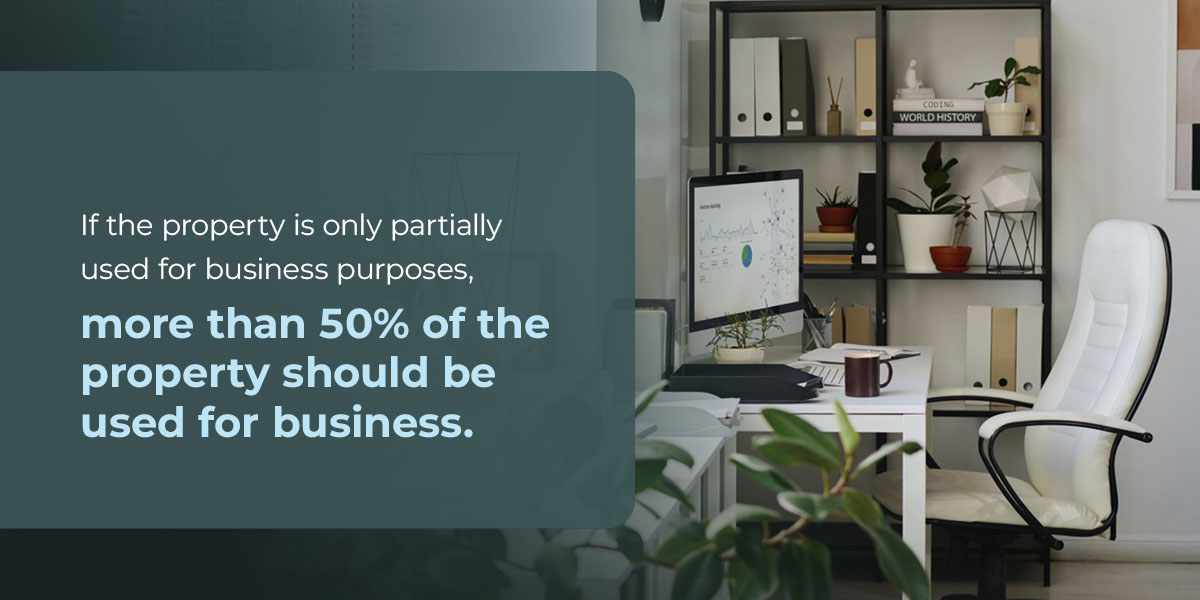
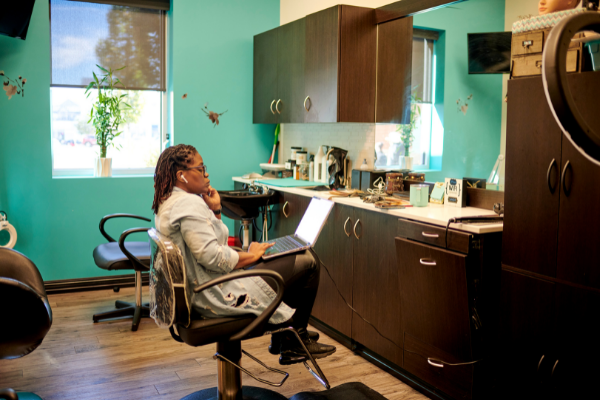
Home offices have different deduction rules compared to business offices. A home office must be your primary place of business. It can also be a separate structure not attached to your home. Business offices follow standard deduction practices. They allow more flexibility in how expenses are claimed. Proper documentation is crucial for both types. It ensures deductions are valid and meet IRS requirements.
Qualifying Expenses For Home Offices
Home office decor expenses must meet certain criteria. They include items directly related to your work. Eligible expenses might be furniture, lighting, and storage solutions. These items must be used exclusively in the home office. Personal use items do not qualify. It’s important to keep detailed records of purchases. They help prove the business necessity of each item.
Credit: www.mysalonsuite.com
Capital Expenses Vs. Repairs
Understanding the difference between capital expenses and repairs is crucial when categorizing office decor on your taxes. Capital expenses are investments in assets that provide value over time, while repairs are costs to maintain or restore existing items without significantly increasing their value or lifespan.
Knowing where your office decor expenses fall can impact how you report them and the tax benefits you receive. Have you ever wondered if that new set of office chairs should be written off immediately or spread out over several years? Let’s break down the key distinctions.
When To Depreciate Office Decor
Office decor like furniture, lighting fixtures, or artwork usually counts as a capital expense if it has a useful life longer than one year. Instead of deducting the entire cost in the year you buy it, you spread the expense over several years through depreciation.
This means you recover the cost gradually, reflecting the item’s wear and tear over time. For example, a desk that costs $1,000 might be depreciated over 7 years, allowing you to deduct a portion each year.
If you’re unsure whether an item qualifies, consider how long you expect to use it. Items that are more temporary or low-cost may not require depreciation.
Immediate Deduction Options
Sometimes, you can deduct the full cost of office decor immediately instead of depreciating it. The IRS allows this under certain rules, such as the Section 179 deduction or bonus depreciation.
- Section 179 Deduction:Lets you write off the entire purchase price of qualifying equipment or furniture in the year you buy it, up to a limit.
- Bonus Depreciation:Allows an additional first-year deduction on top of regular depreciation, often used for new or used property.
These options can simplify your tax reporting and improve your cash flow by reducing taxable income quickly.
But be cautious: if you take immediate deductions, you won’t depreciate the item later. Think about your current and future tax situation before deciding.
Maximizing Your Deductions
Maximizing your deductions on office decor can make a big difference in your tax savings. You want to ensure every dollar spent contributes to lowering your taxable income. This requires a smart approach to how you track and combine your expenses.
Keeping Accurate Records
Good records are the backbone of claiming office decor expenses. Keep receipts, invoices, and any proof of purchase neatly organized. Use digital tools like apps or spreadsheets to log each item and its cost immediately after buying.
Have you ever lost a receipt and missed out on a deduction? That can happen easily if you don’t keep everything in one place. Accurate records also help you prove to the IRS that your decor is for business use, not personal enjoyment.
Combining Decor With Other Expenses
Office decor often overlaps with other business expenses such as furniture, electronics, or even utilities. Grouping these related costs can simplify your tax filing and increase your total deductible amount.
Think about how a stylish desk lamp serves both as decor and as a utility expense for better lighting. You can categorize it under both office supplies and decor, depending on your record-keeping approach. This strategy can help you capture more deductions without breaking IRS rules.
Common Mistakes To Avoid
Office decor expenses can be tricky when filing taxes. Mistakes can lead to denied deductions or audits. Knowing common errors helps protect your finances. Avoid these pitfalls to keep your tax process smooth.
Misclassifying Personal Items
Many mix personal and office decor items. Personal items are not deductible. Only business-related decor qualifies for tax deductions. Keep receipts and records for all office decor purchases. Separate personal from business use clearly. This avoids confusion and potential tax issues.
Ignoring Depreciation Rules
Office decor often lasts several years. The IRS requires spreading the cost over time. Ignoring depreciation can cause mistakes in deductions. Know which items must be depreciated and which can be expensed immediately. Follow IRS guidelines to deduct correctly and avoid penalties.
Consulting A Tax Professional
Consulting a tax professional is a smart choice for handling office decor expenses. Tax rules can be tricky and change often. A tax expert can guide you through which costs qualify for deductions. They help you avoid mistakes that might cause problems later.
They also make sure you use the best tax strategies for your business. This saves money and keeps your records clear. Talking with a professional gives peace of mind and confidence in your tax filings.
Tailoring Deductions To Your Business
Every business is different. A tax professional learns about your specific situation. They identify which office decor expenses fit your business type and size. This includes items like furniture, decorations, or repairs.
They help separate personal and business expenses. This ensures only legitimate costs get deducted. Custom advice helps you maximize your tax benefits without crossing any lines.
Staying Updated On Tax Laws
Tax laws change regularly. A professional stays current on new rules and limits. They inform you about updates that affect office decor deductions. This helps you avoid surprises during tax season.
Staying informed means you can plan purchases and expenses better. It also reduces the risk of audits or penalties. Professionals ensure your deductions comply with the latest tax codes.
Frequently Asked Questions
What Tax Category Includes Office Decor Expenses?
Office decor expenses typically fall under “Business Expenses” or “Office Supplies. ” They can be deductible if used for business purposes. Proper categorization helps in accurate tax filing and potential savings.
Can Office Decor Be Fully Deducted On Taxes?
Office decor deductions depend on its nature and use. Some items qualify for full deduction, while others may require depreciation. Always check IRS guidelines or consult a tax professional for specifics.
Are There Limits On Deducting Office Decoration Costs?
Yes, limits may apply based on the item’s cost and business use. Small items might be fully deductible, but expensive decor often needs depreciation over time.
How Should I Document Office Decor For Tax Purposes?
Keep receipts, invoices, and proof of business use. Proper documentation supports your deductions during audits and ensures compliance with tax laws.
Conclusion
Office decor expenses usually fall under business supplies or equipment. Keep receipts to support your tax deductions. Only items used for work qualify, not personal decorations. Understand your local tax rules to apply deductions correctly. Small details matter in saving money on taxes.
Always ask a tax expert if unsure about categories. Organizing your office space can also improve work focus. Expenses for decor can lower your taxable income. Stay informed to handle your business finances better.