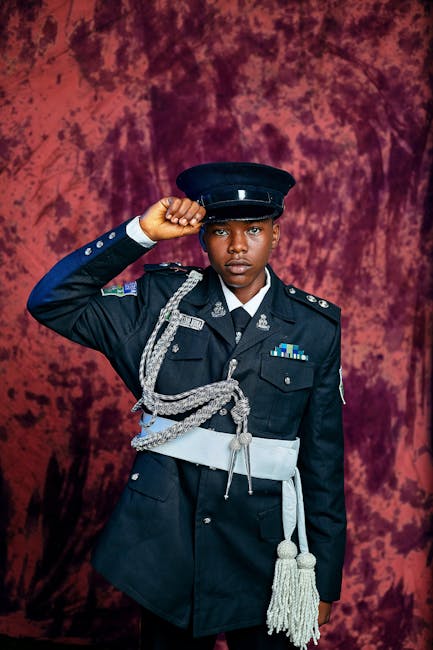
Have you ever wondered what it really means when someone is called a “decorated police officer”? You might think it’s just a fancy title, but it actually holds a lot of significance.
Understanding this term can give you a deeper respect for the bravery and dedication behind the badge. You’ll discover what makes a police officer “decorated,” why it matters, and how it reflects their commitment to keeping your community safe. Keep reading—you’ll be surprised by the stories and honors behind those words.
Decorated Officer Meaning
A decorated police officer is someone recognized for their service, bravery, or achievements. These officers have earned special awards or medals. Such recognition shows respect and honor for their work and sacrifices. It highlights their dedication to protecting the community and upholding the law.
Definition And Criteria
A decorated officer is a police member awarded for exceptional service. These awards come from acts of bravery, heroism, or outstanding performance. Officers may receive decorations for saving lives, showing leadership, or going beyond their duties. The criteria vary by department but usually include:
- Bravery in dangerous situations
- Long-term service and dedication
- Exceptional work in investigations or community service
- Acts that bring credit to the police force
Common Awards And Medals
Many police departments use similar awards to honor officers. Some common decorations include:
- Medal of Valor:Awarded for acts of great bravery.
- Commendation Medal:Given for outstanding service or achievements.
- Service Medal:Recognizes years of faithful service.
- Life-Saving Medal:For officers who save lives during duty.
- Meritorious Service Medal:Honors exceptional performance or leadership.
These medals often come with certificates or badges. They are worn proudly on the uniform during official ceremonies and events.
Types Of Honors
Decorated police officers receive various types of honors that recognize their dedication, skills, and courage on the job. These honors can range from awards for outstanding bravery to medals acknowledging years of committed service. Understanding these distinctions helps you appreciate the sacrifices and achievements behind the badges.
Valor Awards
Valor awards are given to officers who perform acts of exceptional courage under dangerous conditions. These honors highlight moments when an officer risks their life to protect others or uphold the law. Think about the split-second decisions made during high-stakes situations—these awards acknowledge that bravery.
Examples include the Medal of Valor and the Cross of Honor, often presented after a thorough review of the incident. If you ever wonder what true courage looks like, these awards provide a clear picture.
Merit And Service Medals
Merit and service medals recognize consistent excellence and dedication over time. These honors don’t always spotlight dramatic events but acknowledge the steady commitment officers show every day. You might be surprised how much discipline and hard work go unnoticed without such recognition.
These medals often mark milestones like years of service, exemplary job performance, or leadership within the force. Receiving one can boost an officer’s morale and encourage others to maintain high standards.
Bravery Recognitions
Bravery recognitions celebrate acts of heroism that may not meet the extreme criteria of valor awards but still show exceptional courage. This could include rescuing someone from a dangerous situation or stopping a crime despite personal risk. It’s about everyday heroism that makes a real difference in your community.
These honors remind us that bravery isn’t always about grand gestures; sometimes it’s in the small, brave acts that keep us safe. What everyday acts of courage have you witnessed that deserve recognition?
Earning Decorations
A decorated police officer has received official awards for bravery or excellent service. These honors show respect and recognition from the department and community.
Earning decorations is a mark of honor in the police force. These awards are given to officers who show exceptional courage and service. They serve as recognition of their dedication and impact on the community.Acts Of Bravery
Police officers often face dangerous situations. Acts of bravery involve risking their own safety to protect others. These might include rescuing hostages or confronting armed suspects. Such acts earn them high praise and recognition.Exceptional Service
Exceptional service goes beyond routine duties. It includes consistent performance that exceeds expectations. Officers who demonstrate leadership and commitment in their roles are often decorated. Their actions inspire colleagues and enhance the force’s reputation.Community Impact
Decorated officers often make a significant impact on their communities. They work to build trust and foster positive relationships. Community engagement and outreach efforts are key. Their dedication helps improve public safety and community well-being.
Credit: www.facebook.com
Significance Of Decorations
Decorations on a police officer symbolize honor and achievement. They show recognition for bravery, service, and dedication. These awards carry deep meaning within the police force and beyond. They inspire officers and build trust with the public. Understanding their significance helps appreciate the hard work behind each decoration.
Boosting Morale
Decorations raise an officer’s spirit and confidence. They reward hard work and courage. Officers feel valued and motivated to keep serving well. This positive feeling spreads across the team. It creates a strong sense of pride and belonging.
Public Trust And Respect
Decorated officers earn respect from the community. These awards prove the officer’s commitment to safety. People feel safer knowing their protectors are recognized. Trust grows when officers show honor and integrity. It helps build stronger relationships between police and citizens.
Career Advancement
Decorations can open doors for promotions. They highlight an officer’s skills and achievements. Leaders often look for decorated officers for key roles. Awards can boost an officer’s reputation inside the department. This recognition supports professional growth and new opportunities.
Famous Decorated Officers
Famous decorated police officers have set examples that inspire both their colleagues and the communities they serve. Their acts of bravery, dedication, and integrity highlight what it truly means to be honored in law enforcement. Understanding their stories can give you a clearer picture of the sacrifices and achievements behind the medals and titles.
Historical Figures
One of the most renowned decorated officers is Sir Robert Peel, often called the father of modern policing. His principles laid the foundation for ethical policing worldwide, emphasizing respect and community trust. Another legendary figure is August Vollmer, who introduced modern methods and education into the police force, earning multiple honors for transforming law enforcement.
These officers remind you that awards often recognize not just courage but also innovation and leadership. Their legacy shows how your efforts today can influence future generations. What changes can you make in your daily work that might one day be honored?
Modern-day Heroes
In recent times, officers like Detective David March and Sergeant Kimberly Munley have gained recognition for extraordinary bravery. March’s quick thinking during a hostage crisis saved lives and earned him the Medal of Valor. Munley’s actions during a high-stakes manhunt demonstrated courage under pressure, inspiring many in the force.
These stories show that being a decorated officer isn’t about seeking fame but stepping up when it matters most. Your willingness to act decisively and ethically can place you among such heroes. How do you prepare yourself mentally and physically for moments that demand your best?
Challenges Faced By Officers
Being a decorated police officer is often seen as a mark of honor and achievement. However, behind the medals and commendations lie numerous challenges that officers face daily. Understanding these struggles helps you appreciate their dedication beyond the badge.
Risks And Sacrifices
Every day on duty carries risks that most people don’t see. Officers walk into unpredictable situations where their safety is never guaranteed.
They sacrifice time with family, personal freedom, and sometimes their mental health to protect the community. Long shifts, exposure to violence, and high-stress environments are part of their reality.
Have you ever wondered what it feels like to make split-second decisions that could affect your life and others’ lives? This constant pressure shapes who they are both on and off duty.
Recognition Vs Reality
While awards and decorations publicly acknowledge officers’ efforts, they don’t always reflect the full picture. Recognition often focuses on high-profile incidents, ignoring the daily grind of routine but essential tasks.
Many officers face invisible struggles such as burnout, emotional trauma, and the challenge of maintaining community trust. The gap between public perception and their lived experience can be isolating.
What would change if more people understood the unseen parts of police work? A deeper awareness might lead to better support systems for those who serve and protect.
How Communities Honor Officers
Communities show deep respect for decorated police officers through various meaningful ways. These honors help remind everyone of the sacrifices and dedication officers bring to public safety. Recognizing their service strengthens the bond between law enforcement and the people they protect.
Ceremonies And Parades
Ceremonies offer a powerful way to publicly acknowledge officers’ achievements. These events often include award presentations where officers receive medals and commendations for their bravery or exceptional service.
Parades create a festive atmosphere that involves the whole community. Seeing officers honored in a parade can make you feel connected and proud of those who keep your neighborhood safe.
Sometimes, local schools and organizations participate in these events, showing that appreciation spans all ages. How would you feel watching your local heroes celebrated this way?
Memorials And Tributes
Memorials serve as lasting reminders of officers who gave their lives in the line of duty. They provide a quiet space for reflection and gratitude.
Tributes might include plaques, statues, or dedicated spaces in community centers. These honors tell stories of courage that inspire others to value public service.
Communities often hold annual tribute events to keep memories alive. Imagine the impact of sharing these stories with younger generations—wouldn’t it encourage respect and understanding?

Credit: www.facebook.com

Credit: www.instagram.com
Frequently Asked Questions
What Does A Decorated Police Officer Mean?
A decorated police officer is one who has received official awards or honors. These decorations recognize bravery, service, or special achievements in law enforcement.
How Do Police Officers Earn Decorations?
Officers earn decorations by demonstrating exceptional courage, leadership, or community service. Awards often come after significant incidents or sustained exemplary performance.
What Types Of Awards Do Decorated Officers Receive?
Awards include medals, badges, and commendations. Common honors recognize valor, meritorious service, or lifesaving actions during duty.
Why Are Police Officer Decorations Important?
Decorations boost morale, acknowledge dedication, and inspire others. They highlight an officer’s commitment to protecting and serving the community.
Conclusion
A decorated police officer earns honors for bravery and hard work. These awards show respect from the community and peers. Such recognition inspires others to do their best. It highlights the officer’s courage and commitment. Understanding this term helps appreciate police service more.
Respect and trust grow with every honored act. Being decorated means standing out through true dedication. It reminds us that police officers face challenges daily. Their sacrifices deserve recognition and gratitude.