
Choosing the right color for your bedroom can change everything. It affects how you feel when you wake up, how relaxed you are before sleep, and even your mood throughout the day.
But with so many options, how do you know which color is truly the best for your space? You’ll discover simple tips and surprising facts that will help you pick the perfect shade. By the end, you’ll feel confident turning your bedroom into a place that feels just right for you.
Ready to find out what color suits your personal style and needs? Let’s dive in.
Choosing The Right Mood
Choosing the right mood for your bedroom starts with understanding how color influences your emotions and energy. The color you pick should support how you want to feel when you wake up and before you fall asleep. Think about whether you want your bedroom to be a peaceful retreat, a creative space, or a balanced environment where both rest and activity can happen.
Calming Colors For Relaxation
Soft blues, gentle greens, and muted lavenders create a soothing atmosphere. These colors slow your mind and body, helping you unwind after a busy day. If you struggle to fall asleep, try painting your walls in pastel shades or adding similar tones through bedding and curtains.
One personal tip: I switched my bedroom to a pale blue and noticed I felt calmer and slept better almost immediately. Could a color change help you rest more deeply?
Energizing Shades To Boost Creativity
Bright yellows, vibrant oranges, and fresh greens can lift your energy and spark new ideas. These colors stimulate your brain and keep you alert, making them perfect if you use your bedroom for work or hobbies. Use these shades on an accent wall or in artwork to avoid overwhelming the space.
Think about the times you’ve felt most inspired—was there a particular color around you? Adding a splash of energizing color might just unlock your creative flow.
Balancing Warm And Cool Tones
Mixing warm and cool tones creates harmony and flexibility. Warm colors like reds and golds add coziness, while cool tones like blues and grays promote calm. Together, they keep the room from feeling too intense or too dull.
You can balance these by pairing a warm-colored bedspread with cool-colored walls or vice versa. How could blending these tones change the mood of your bedroom?
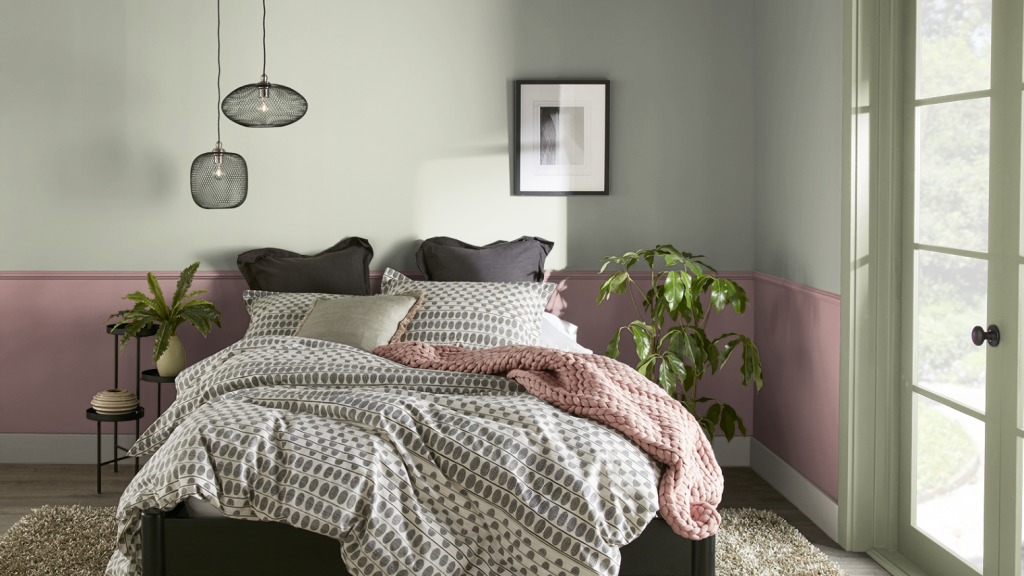
Credit: www.hbcollaborative.com
Popular Bedroom Colors
Soft blues and gentle greens create calm and restful bedroom spaces. Warm neutrals like beige or light gray bring comfort and balance. Choosing the right color sets the room’s mood and enhances relaxation.
Decorating your bedroom is an exciting opportunity to express your personal style. Popular bedroom colors can set the mood and influence how you start and end your day. Choosing the right color can transform your space into a sanctuary that reflects your personality and preferences.Soft Neutrals And Their Appeal
Soft neutrals like beige, gray, and cream are timeless choices. These colors create a calming atmosphere, perfect for unwinding after a long day. They are versatile and can easily be paired with various textures and accents. Imagine waking up in a room with walls that mimic the gentle hues of a morning sky. Soft neutrals can make your bedroom feel like a peaceful retreat, encouraging relaxation and restful sleep.Bold Colors For Statement Spaces
Bold colors such as deep blues, rich greens, or vibrant reds can make a statement. These shades add energy and drama, perfect for those who want their bedroom to reflect a unique personality. Consider how a bold color can transform a bedroom into a space that inspires creativity. With the right balance, bold colors can energize you each morning and provide a stimulating environment throughout the day.Pastels For A Gentle Touch
Pastels offer a gentle touch, creating a soothing and serene ambiance. Light pinks, soft blues, and delicate lavenders can evoke a sense of tranquility and comfort. Think of pastels as a gentle embrace that welcomes you into your space. These colors are ideal for creating a room that feels inviting and nurturing, perfect for moments of quiet reflection or leisurely relaxation. How do you want your bedroom to make you feel? The choice of color can deeply influence your mood and well-being. Consider what emotions you want to evoke every time you step into your room.Color Psychology In Bedrooms
Color psychology studies how colors influence emotions and behavior. In bedrooms, colors impact mood and rest. Choosing the right color can create a peaceful and relaxing space. It helps improve sleep and reduces stress. Understanding color effects is key to designing a bedroom that feels calm and cozy.
How Colors Affect Sleep Quality
Colors can either calm the mind or make it active. Soft, cool colors help slow heart rates and lower blood pressure. These effects prepare the body for sleep. Bright and intense colors increase alertness and energy. They can make falling asleep harder. Choosing gentle shades supports better, deeper sleep.
Colors That Promote Serenity
- Blue:Calms the mind and reduces anxiety.
- Green:Brings balance and a sense of nature.
- Lavender:Soothes nerves and creates tranquility.
- Soft Gray:Offers a neutral, peaceful backdrop.
These colors help create a restful environment. They encourage relaxation and calm feelings.
Avoiding Colors That Cause Restlessness
- Red:Increases heart rate and energy.
- Bright Yellow:Can cause agitation and anxiety.
- Orange:Stimulates activity and alertness.
- Neon or Very Bright Colors:Overstimulate the senses.
These colors can make it tough to unwind. Best to keep them out of bedroom walls and major decor.
Matching Colors With Bedroom Styles
Choosing the right color for your bedroom is more than just picking a shade you like. It’s about matching colors with your bedroom’s style to create a space that feels just right for you. The colors you choose can highlight your style and affect how you feel every time you enter the room.
Modern Minimalist Palettes
Modern minimalist bedrooms thrive on simplicity and clean lines. Neutral tones like soft grays, crisp whites, and muted blacks work perfectly here. These colors keep the room calm and uncluttered, making it easier for you to relax and focus.
Adding a splash of muted pastel, such as dusty pink or light blue, can bring warmth without breaking the minimalist vibe. Have you ever noticed how a simple color can change the whole mood of a room? That’s the power of a well-chosen palette.
Cozy Rustic Tones
Rustic bedrooms call for colors that feel warm and inviting. Earthy shades like deep browns, burnt oranges, and olive greens connect you with nature. These tones create a comforting atmosphere that makes your bedroom feel like a true retreat.
Wooden furniture and textured fabrics shine best with these colors, enhancing the rustic charm. Think about how these colors make you want to curl up with a good book. Isn’t that the kind of comfort you want in your bedroom?
Elegant Classic Hues
Classic bedroom styles look stunning with rich, timeless colors. Deep blues, royal purples, and elegant creams add sophistication without feeling too formal. These hues pair well with traditional furniture and luxurious fabrics like velvet or silk.
Don’t shy away from adding gold or brass accents to elevate the look further. How can you bring a sense of elegance to your bedroom without making it feel cold? Choosing the right classic hues is the answer.
Tips For Combining Colors
Choosing the right colors for a bedroom can be tricky. Combining colors well creates a calm and inviting space. Use simple tips to mix colors without making the room look busy or dull. Focus on balance and harmony for a fresh look.
Accent Walls And Color Blocking
Accent walls highlight one area with a bold or different color. This technique adds depth and interest without overwhelming the room. Color blocking uses large blocks of solid colors side by side. It creates a modern and clean look. Both methods help break up monotony and add personality.
Using Textiles To Add Color
Textiles like curtains, rugs, and cushions bring color without painting walls. They are easy to change for new styles or seasons. Soft fabrics add warmth and texture. Mixing bright and neutral textiles creates contrast and balance. Textiles are a simple way to refresh a bedroom’s look.
Balancing Patterns And Solids
Patterns bring energy and style to a room. Too many patterns can feel chaotic. Pair patterns with solid colors to create balance. Use solids on large surfaces like walls or bedding. Add patterned pillows or curtains for detail. This mix keeps the space lively yet calm.

Credit: www.pinterest.com
Lighting And Color Interaction
Lighting plays a huge role in how colors look in your bedroom. The same paint shade can feel warm and cozy or cold and dull depending on the light. Understanding how natural and artificial light interact with color helps you pick the best tones for your space.
Natural Light Effects
Natural light changes throughout the day, affecting your bedroom’s color mood. Morning light is usually soft and cool, making blues and greens appear fresh and calm. Afternoon sun is warmer, bringing out the richness in reds, oranges, and yellows.
If your bedroom faces north, colors might look cooler and less vibrant. South-facing rooms get bright, warm light that can make colors pop. Think about how much sunlight your room gets and at what time you spend most of your day there. This insight can guide you to choose a color that always feels right.
Artificial Lighting Choices
The type of bulbs you use changes how colors come alive after sunset. LED lights with a cool white tone can make warm colors seem harsh and unpleasant. Warm white or soft yellow bulbs tend to soften colors, creating a cozy atmosphere.
Try different bulbs in your room before finalizing your paint. You might find a color that looks amazing in daylight but dull under your lamps. Mixing light sources, like a bedside lamp with warm light and ceiling lights with daylight bulbs, can add depth to your color scheme.
Adjusting Colors Based On Lighting
Not every color works well in every lighting condition. If your bedroom has limited natural light, lighter colors like pale blues, soft greys, or creamy whites reflect light better and make the room feel bigger. Dark colors can make the space feel cramped without enough light.
On the other hand, rooms flooded with sunlight can handle bold and deep colors. You could even test a sample patch on your wall and observe it at different times to see how it reacts. Have you noticed how a color feels completely different in the morning compared to late evening? That’s the interaction of light and color in action.
Expert Recommendations
Choosing the right color for your bedroom can transform the entire mood and feel of the space. Experts suggest focusing on your room’s size, lighting, and personal taste to pick a shade that truly suits your lifestyle. Let’s look at some top recommendations to help you make a confident choice.
Top Colors For Small Bedrooms
Small bedrooms need colors that open up the space rather than make it feel cramped. Light pastels like soft blues, pale pinks, and mint greens work wonders by reflecting light and creating a calming atmosphere.
Neutral shades such as warm beige or light gray also add warmth without overwhelming the room. You might want to avoid dark or overly bright colors here, as they can shrink the space visually.
Colors That Increase Spaciousness
If you want your bedroom to feel larger, think about colors that trick the eye into perceiving more depth. Whites with a hint of gray or blue can add crispness and airiness.
Try pairing these colors with minimalistic furniture and plenty of natural light for the best effect. Have you ever noticed how Scandinavian-inspired bedrooms use this color strategy to feel open and inviting?
Personalizing Your Color Palette
Your bedroom should reflect who you are, not just follow trends. Consider colors that resonate with your mood and daily energy levels—for example, calming greens if you want to unwind or soft lavenders if you prefer a soothing vibe.
Adding accent colors through pillows or artwork can also create a personalized touch without overwhelming the space. What colors make you feel the most relaxed and happy when you’re at home?

Credit: www.instagram.com
Frequently Asked Questions
What Color Creates A Relaxing Bedroom Atmosphere?
Soft blues and greens are ideal for relaxation. These colors calm the mind and promote restful sleep. They mimic nature, helping reduce stress and anxiety, making your bedroom a peaceful retreat.
Which Colors Make A Bedroom Look Bigger?
Light colors like white, beige, and pastels reflect light well. They open up space visually, making small bedrooms appear larger. Using these colors on walls and ceilings enhances room brightness.
Are Warm Or Cool Colors Better For Bedrooms?
Cool colors promote calmness and relaxation, perfect for sleep. Warm colors create energy and coziness but may be stimulating. Choose based on your personal comfort and room lighting.
How Do Colors Affect Bedroom Mood?
Colors influence emotions: blues and greens soothe, while reds and oranges energize. Neutral tones offer balance and flexibility. Picking the right color sets the desired mood and ambiance.
Conclusion
Choosing the best color for your bedroom depends on your mood and style. Soft colors create calm and peace. Bright colors add energy and fun. Dark colors bring warmth and comfort. Think about how each shade makes you feel. Your bedroom should be a place you enjoy.
Pick colors that help you relax and rest well. Remember, the right color can change your space completely. Take your time to choose what suits you best. Your perfect bedroom color is waiting for you.