Are you wondering what light bulbs decorators choose to make spaces look stunning? The right lighting can change everything—from the mood to the way colors pop in your room.
But not all bulbs are created equal. If you want your home to feel warm, inviting, and stylish, knowing which bulbs professionals pick is key. Keep reading, and you’ll discover simple tips that can transform your space with just the right light.
Your perfect glow is closer than you think.
Credit: www.ballarddesigns.com
Choosing The Right Bulb Type
Choosing the right bulb type can transform your space more than you might expect. The light bulb you pick affects mood, energy use, and even how colors appear in your room. Knowing the differences between bulb types helps you create the exact atmosphere you want.
Incandescent Vs Led
Incandescent bulbs offer a warm, natural light that many decorators love for cozy spaces. However, they use more energy and don’t last as long as LEDs. LEDs are now the go-to for most decorators because they save energy, last years longer, and come in a range of color temperatures.
If you want warm light but also care about efficiency, LEDs now provide options that mimic incandescent warmth perfectly. Have you noticed how LED bulbs can make a room feel bright without harshness? That’s why they’re often preferred in living rooms and bedrooms.
Halogen And Fluorescent Options
Halogen bulbs are brighter and more efficient than traditional incandescent bulbs but produce more heat. They work well in task lighting where clear, sharp light is needed, like kitchen counters or reading lamps.
Fluorescent bulbs use even less energy but can sometimes emit a cooler, less flattering light. They’re often found in offices or garages but are less common in stylish home decor. If you’re considering fluorescents, look for “warm white” labels to avoid that harsh blue tint.
Smart Bulbs For Versatility
Smart bulbs offer unmatched control over your lighting. You can change colors, dim the lights, and set schedules all from your phone. This flexibility means you can shift your room’s vibe from bright and energetic during the day to calm and relaxing at night without changing a single bulb.
Using smart bulbs also allows you to experiment with lighting scenes that suit your activities or mood instantly. Wouldn’t it be great to walk into a room where the lighting adjusts itself based on what you’re doing? This is why many decorators now include smart lighting as a key part of their toolkit.

Credit: www.homeaccentstoday.com
Color Temperature And Mood
Color temperature plays a crucial role in setting the mood in any space. Choosing the right light bulb can transform the ambiance, influencing how a room feels. Decorators often consider the emotional impact of color temperature, tailoring lighting to suit specific moods and purposes.
Warm Light For Cozy Spaces
Warm light bulbs, typically around 2700K, create a relaxing atmosphere. They emit a soft glow that feels inviting and comfortable. Perfect for living rooms and bedrooms, warm light enhances relaxation and coziness. This type of lighting is ideal for spaces where you unwind or socialize.
Cool Light For Modern Vibes
Cool light bulbs, usually above 4000K, offer a crisp and clean look. They are great for kitchens, bathrooms, and offices. Cool lighting encourages focus and energizes the space. It’s favored in modern designs where clarity and brightness are essential.
Using Tunable White Bulbs
Tunable white bulbs allow customization of color temperature. Adjusting from warm to cool light, they offer flexibility for various activities. These bulbs are perfect for multipurpose rooms. With a simple tweak, you can change the room’s mood to match the occasion.
Brightness And Lumens
Brightness in light bulbs is measured in lumens, which tells you how much light a bulb gives off. Understanding lumens is crucial when choosing bulbs that fit your room’s needs. Too dim, and your space feels dull; too bright, and it can be overwhelming.
Matching Brightness To Room Size
Think about the size of your room before picking bulbs. Small rooms usually need fewer lumens, while large spaces require more light to fill the area comfortably.
A good rule is to aim for around 10-20 lumens per square foot. For example, a 100-square-foot room might need 1,000 to 2,000 lumens in total. This helps you avoid under or over-lighting your space.
Layered Lighting Techniques
Relying on just one light source can make a room feel flat. Decorators use layered lighting by combining ambient, task, and accent lights to create depth and interest.
Adjust brightness levels across these layers to highlight different areas and activities. For instance, brighter task lighting at a desk and softer ambient light for relaxing can make your room much more functional.
Dimmable Bulbs For Flexibility
Dimmable bulbs give you control over brightness, letting you adjust light according to mood or time of day. This flexibility means you can brighten a room for work or soften it for relaxation without changing bulbs.
Make sure your fixtures support dimmable bulbs, and try different lumen levels to find what works best. This simple switch can transform how you experience your space every day.
Bulb Shapes And Fixtures
Choosing the right bulb shapes and fixtures is key for stylish interior lighting. Different shapes create varied moods and effects. Fixtures also play a vital role in how light spreads and highlights spaces.
Decorators select bulbs and fixtures to match the room’s style and purpose. The right combination enhances the overall decor and makes spaces inviting.
Decorative Bulb Styles
Decorative bulbs come in many shapes and sizes. Some popular styles include:
- Globe bulbs – round and smooth, great for modern looks
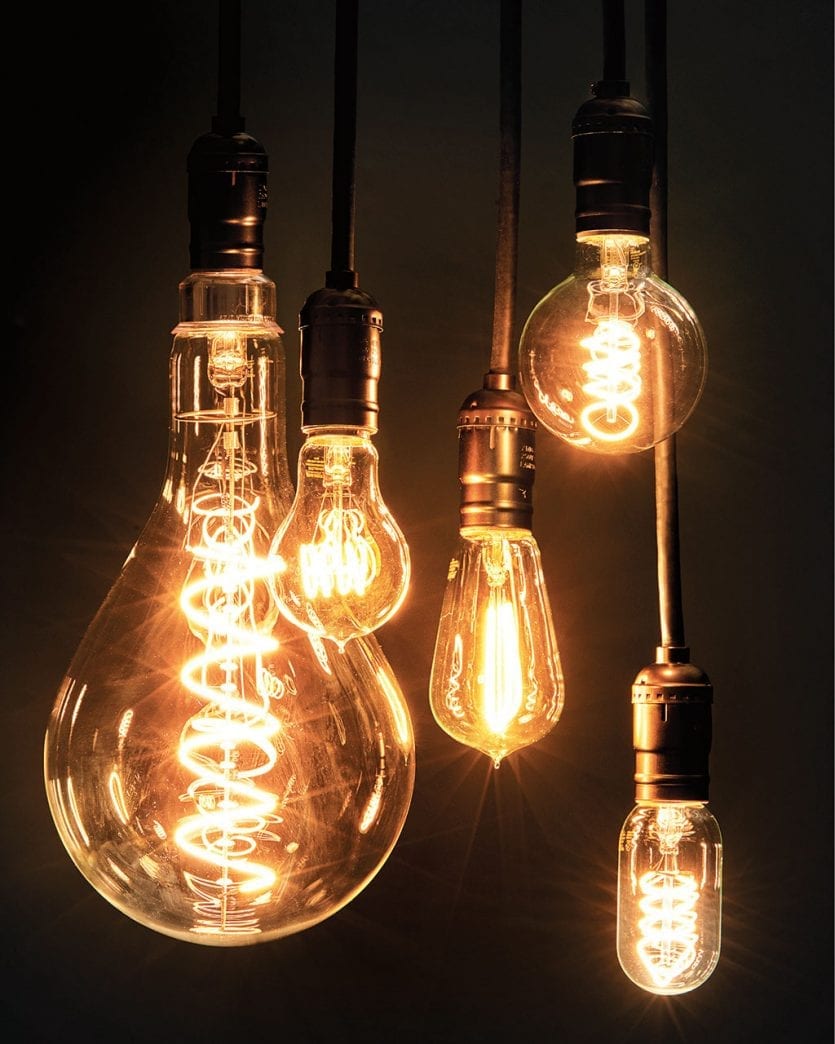
- Edison bulbs – vintage with visible filaments, perfect for rustic themes
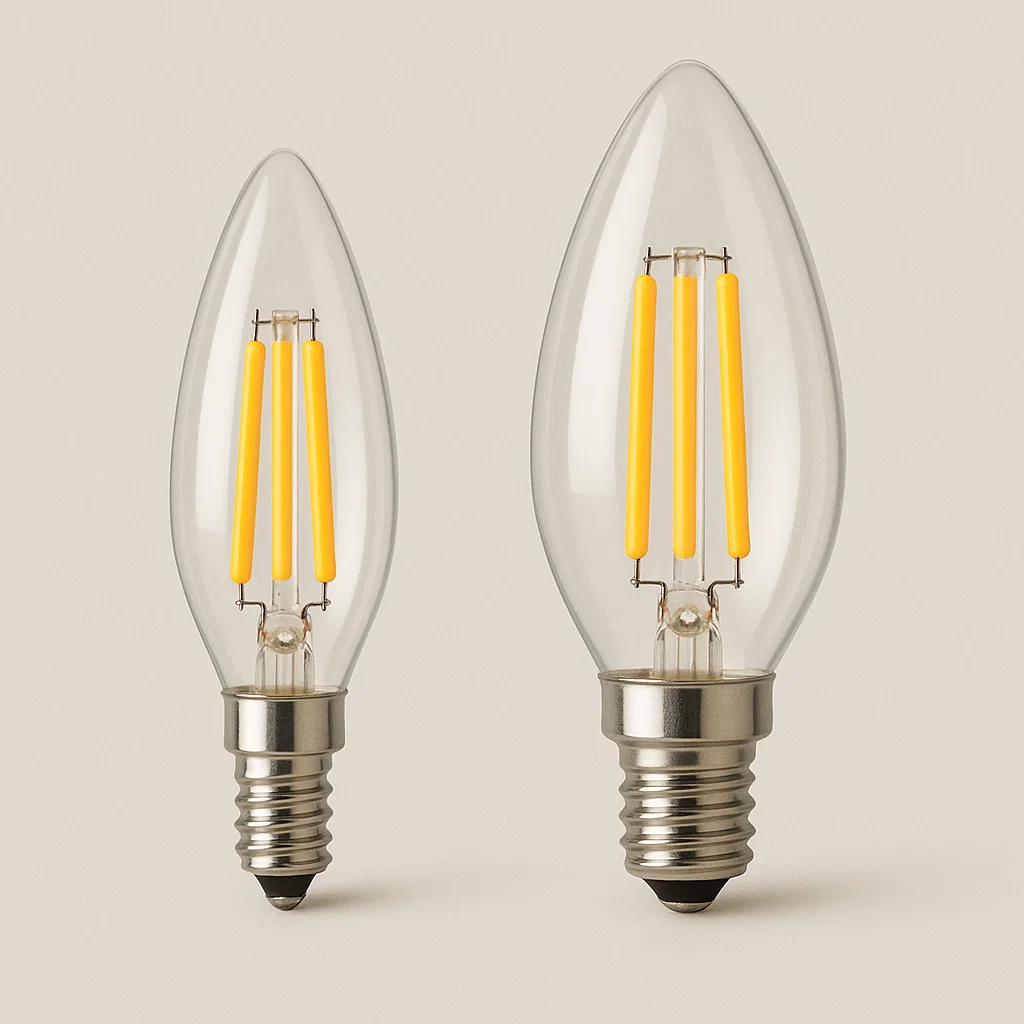
- Candle bulbs – slim and tapered, ideal for chandeliers and sconces
- Tube bulbs – long and sleek, often used in minimalist designs
Each style adds character and charm to a room. The bulb’s shape itself can act as a design element.
Matching Bulbs To Fixtures
Fixtures come in many forms like pendants, chandeliers, and wall sconces. Bulbs must fit the fixture’s size and style.
- Use smaller bulbs for delicate fixtures.
- Choose larger bulbs for open or industrial fixtures.
- Check the socket type to ensure bulb compatibility.
Proper pairing prevents awkward looks and ensures functional lighting. The goal is a seamless blend between bulb and fixture.
Highlighting Architectural Features
Bulbs and fixtures can emphasize architectural details. Focused lighting draws attention to textures and shapes.
- Spotlights highlight artwork or textured walls.
- Wall washers brighten large flat surfaces evenly.
- Recessed lights create clean lines and subtle accents.
Careful bulb choice enhances these effects. Light can transform a room by showcasing its unique features.
Energy Efficiency And Longevity
Energy efficiency and longevity are key factors decorators consider when choosing light bulbs. These qualities not only reduce the frequency of replacements but also help maintain a comfortable atmosphere without driving up electricity bills. Understanding these aspects can help you select lighting that serves your design and practical needs effectively.
Benefits Of Led Lighting
LED bulbs use much less energy than traditional incandescent bulbs. This means they produce the same brightness while consuming a fraction of the power.
They also emit less heat, making spaces feel cooler and reducing the need for extra cooling in warm rooms. Their compact size allows decorators to use creative fixtures without worrying about bulb size or heat damage.
Because LEDs last significantly longer—often over 25,000 hours—you won’t find yourself replacing bulbs frequently, which is a huge convenience in busy or hard-to-reach places.
Cost Savings Over Time
Though LED bulbs may cost more upfront, they save you money in the long run. Lower energy use means smaller utility bills month after month.
Plus, the extended lifespan cuts down on replacement expenses and labor costs if you hire someone to change bulbs regularly.
Think about the last time you had to climb a ladder to swap a bulb—switching to LEDs could spare you that hassle for years.
Sustainability Considerations
Choosing energy-efficient lighting also reduces your carbon footprint. Less power consumption means fewer fossil fuels burned at power plants.
Many LED bulbs are made with recyclable materials and contain no harmful substances like mercury, unlike some older bulb types.
Would you like your home to reflect eco-conscious values without sacrificing style or comfort? Opting for LED lighting supports that goal in a practical way.

Credit: www.amazon.com
Special Effects And Accent Lighting
Special effects and accent lighting play a crucial role in transforming any space. They allow you to highlight specific areas and create an atmosphere that feels unique and inviting. Choosing the right light bulbs for these effects can make a significant difference in how your decor stands out and interacts with your environment.
Colored Bulbs And Gels
Colored bulbs and gels add vibrant hues that change the mood instantly. You can use them to create a warm, cozy corner or a lively, energetic vibe depending on the color choice. Many decorators prefer LED bulbs with color-changing options because they offer flexibility without overheating the space.
Think about a reading nook bathed in soft blue light—it feels calm and soothing. Or a party area with red and purple lighting that energizes the atmosphere. Using gels over traditional bulbs is another budget-friendly way to experiment with colors without replacing the entire fixture.
Spotlights And Track Lighting
Spotlights and track lighting are perfect for directing attention exactly where you want it. These bulbs focus light sharply, which helps in emphasizing art pieces, architectural details, or furniture. They also let you adjust and reposition the lights as your decor changes.
Imagine highlighting a stunning painting or a textured wall with a focused beam. This technique adds depth and dimension, making your space feel dynamic. The right spotlight bulbs have a high Color Rendering Index (CRI), ensuring colors look true and vibrant under the light.
Creating Focal Points
Accent lighting is all about creating focal points that draw the eye naturally. Using brighter or different-colored bulbs in specific fixtures can turn an ordinary element into a visual anchor. This approach helps guide your guests through the room and tells a story through light.
Have you ever noticed how a well-lit bookshelf or a glowing plant can change the entire feel of a room? That’s the power of focal lighting. By choosing bulbs that complement the textures and colors in your space, you make your decor more engaging and memorable.
Frequently Asked Questions
What Types Of Light Bulbs Do Decorators Prefer?
Decorators often prefer LED bulbs for their energy efficiency and long life. Warm white LEDs create cozy, inviting spaces. They also use dimmable bulbs to control ambiance and highlight design features effectively.
Why Do Decorators Choose Warm White Light Bulbs?
Warm white bulbs mimic natural light and add comfort. They enhance wood tones, fabrics, and skin tones, making spaces feel welcoming. This warmth improves mood and complements most interior styles.
Are Led Bulbs Better Than Incandescent For Decorating?
Yes, LEDs are better due to energy savings and durability. They emit less heat and offer various color temperatures. LEDs also reduce replacement frequency, making them cost-effective for decorators.
How Do Decorators Use Light Bulbs For Ambiance?
Decorators use dimmable bulbs and layered lighting to set moods. Combining task, accent, and ambient lighting creates depth. This technique highlights décor elements and adjusts brightness to suit occasions.
Conclusion
Choosing the right light bulbs helps create a warm, inviting space. Decorators prefer bulbs that show true colors and save energy. Soft white or warm light bulbs work best for cozy rooms. Bright, clear bulbs highlight artwork and details well.
Always consider the room’s purpose and mood. Good lighting changes how a room feels. It makes your home look better and more comfortable. Simple choices make a big difference in your space. Light bulbs are small, but their impact is big.