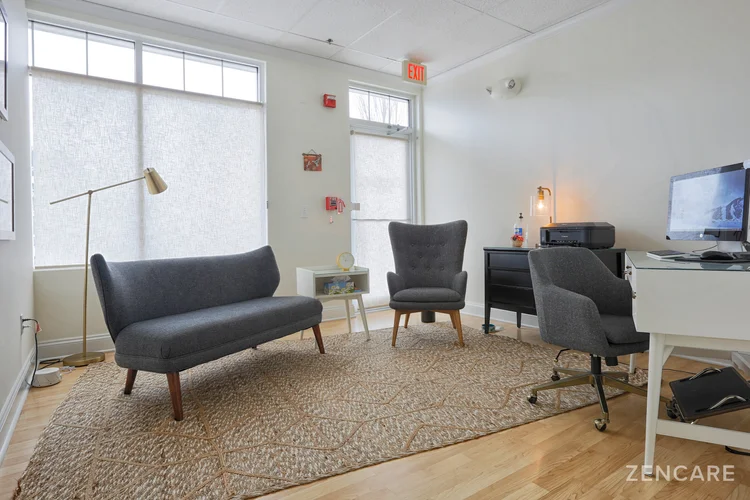
Are you wondering how to make your therapy office feel welcoming and calming? The way you decorate your space can have a big impact on your clients’ comfort and trust.
You want your office to feel safe, soothing, and professional—all at the same time. But where do you start? You’ll discover simple and effective decorating ideas that will transform your therapy office into a place your clients look forward to visiting.
Keep reading to find out how small changes can create a big difference in your practice.
Color Choices
Choosing the right colors for your therapy office is more than just a design decision—it shapes the atmosphere and influences how clients feel the moment they walk in. Colors can calm nerves, inspire trust, and foster openness. What colors do you think create a space where people feel both safe and energized?
Soothing Color Palettes
Soft, muted tones work wonders in therapy spaces. Shades like pale blues, gentle greens, and warm beiges help create a peaceful environment that encourages relaxation. I once painted my office walls a soft sage green, and clients frequently commented on how tranquil the room felt—this subtle choice made a big difference in setting the mood.
Consider colors inspired by nature, such as sky blue or leaf green, which tend to be universally calming. These hues reduce anxiety and promote focus, essential for meaningful conversations.
Accent Colors For Warmth
Adding touches of warm colors can make your office feel inviting without overwhelming the senses. Think about small accents in burnt orange, mustard yellow, or soft coral. These pops of color can be introduced through pillows, artwork, or a cozy rug.
Warm accents signal friendliness and approachability, helping clients feel welcome. You might ask yourself: does this accent color add energy without distraction?
Avoiding Overstimulation
Too many bright colors or busy patterns can distract or even increase anxiety. Keep your main walls neutral and use color sparingly to avoid overwhelming your clients. Remember, your goal is to create a space that supports calm and focus.
When decorating, think about how colors interact with lighting and furniture. If you notice a color feels too intense during different times of day, it might be worth reconsidering. What colors help you feel calm when you’re under pressure?
Credit: www.tiktok.com
Furniture Selection
Choosing the right furniture for your therapy office shapes the entire experience for both you and your clients. It’s not just about looks; the furniture needs to support comfort, function, and a calming atmosphere. Think about how each piece can contribute to a space where people feel safe and open to share.
Comfortable Seating Options
Your seating choice directly affects how relaxed clients feel during sessions. Soft armchairs with supportive cushions can help ease tension, while adjustable chairs allow you to maintain good posture throughout the day. Don’t forget to provide seating for multiple preferences—some clients might prefer a couch, others a simple chair.
Try mixing textures and sizes to create a welcoming vibe. Have you noticed how a plush chair invites you to sit down longer? That’s the kind of comfort you want to offer.
Functional Layouts
Arrange your furniture to promote easy communication without feeling crowded. Placing chairs at an angle rather than directly facing each other can reduce pressure and foster more natural conversations. Keep walkways clear and avoid clutter to make the room feel spacious.
Consider your daily activities—do you need a desk for note-taking or space for creative tools? Position these items within easy reach but out of your client’s direct line of sight to avoid distractions. How does your current setup support your workflow?
Incorporating Natural Materials
Wood, wicker, and cotton bring warmth and calm to any room. Furniture made from natural materials feels less clinical and more like a home, which can help clients settle in faster. You might choose a wooden coffee table or a cotton throw blanket to soften the space.
Adding plants or natural fiber rugs can complement these materials and improve air quality. Have you thought about how the texture of your furniture influences the mood of the room? Natural elements often create a soothing sensory experience that synthetic materials can’t match.
Lighting Ideas
Soft, warm lighting creates a calm and welcoming therapy office. Using lamps with dimmers helps adjust brightness to suit different moods. Natural light also enhances comfort and promotes relaxation during sessions.
Decorating a therapy office requires thoughtful planning. Lighting plays a crucial role in creating a calming atmosphere. Proper lighting can enhance comfort and support emotional well-being. Explore different lighting options to improve the ambiance of your therapy space.
Natural Light Benefits
Natural light boosts mood and energy. It helps clients feel more relaxed. Large windows invite sunlight into the room. Sunlight reduces stress and enhances alertness. Use sheer curtains to soften direct sunlight. They allow light while maintaining privacy. If possible, position seating areas near windows. This maximizes exposure to natural light.
Soft Artificial Lighting
Soft lighting adds warmth to a space. It prevents harsh shadows and glare. Use soft bulbs in overhead fixtures. Warm tones promote a soothing environment. Consider wall sconces for gentle illumination. They can be placed strategically around the room. Choose fixtures that complement your decor. Soft lighting enhances comfort and relaxation.
Using Lamps And Dimmer Switches
Lamps provide flexible lighting options. Floor lamps can create cozy corners. Table lamps add elegance to desks or shelves. Dimmer switches give control over light intensity. Adjusting brightness helps set the desired mood. Dimmers work well with any bulb type. They offer adaptability for different therapy sessions. Use a mix of lamp styles for variety. This allows personalized lighting settings.
Decorative Elements
Decorative elements can transform your therapy office into a welcoming and calming space. They set the tone for comfort and trust, which are essential for effective therapy sessions. Thoughtful choices in decor help clients feel relaxed and more open to sharing their thoughts.
Artwork And Wall Decor
Choose artwork that promotes calmness and positivity. Nature scenes, abstract pieces with soft colors, or inspiring quotes can help create a soothing environment. Avoid overly busy or controversial images that might distract or unsettle your clients.
Have you considered adding personal touches like local artists’ work or meaningful prints? These can make your space unique and spark gentle conversations. Remember, wall decor should support a peaceful atmosphere, not overwhelm it.
Plants And Greenery
Plants bring life and fresh air into your office. Even a few small potted plants can reduce stress and boost mood for both you and your clients. Choose easy-to-care-for varieties like snake plants or pothos to keep maintenance simple.
Have you noticed how greenery can soften sharp corners and add warmth? Adding natural elements connects people to the outside world, which can be grounding during difficult conversations. Try placing a plant near the seating area to create a gentle focal point.
Textiles And Rugs
Textiles add texture and comfort to your therapy room. Soft rugs, cushions, and throws make the space feel cozy and inviting. Opt for neutral colors or subtle patterns to maintain a calm vibe without distracting from the session.
Think about how a rug can define the seating area and make it feel more intimate. Adding cushions with different textures can also encourage relaxation. What fabrics make you feel most comfortable? Consider those to help clients settle in more easily.
Creating Privacy
Privacy is essential in a therapy office. It creates a safe space for clients to share openly. Thoughtful decoration can enhance this feeling of security.
Simple changes can block distractions and reduce noise. This helps clients focus on the session. Let’s explore ways to create privacy in your therapy room.
Room Dividers And Screens
Room dividers offer flexible privacy options. They separate spaces without permanent walls. Choose styles that match your office decor.
Folding screens work well and can be moved easily. Fabric dividers soften the room’s look. Wooden or bamboo screens add a natural touch.
Dividers also reduce visual distractions. They help clients feel more comfortable and secure during sessions.
Soundproofing Tips
Soundproofing prevents conversations from being overheard. Soft materials absorb noise effectively. Use thick rugs or carpets on the floor.
Wall hangings and acoustic panels reduce sound reflection. Seal gaps around doors and windows to block noise leaks. White noise machines can mask background sounds.
These steps ensure confidentiality and create a calm environment.
Window Treatments
Window treatments control visibility and light. Use blinds or curtains to block outside views. Choose opaque or blackout options for full privacy.
Sheer curtains soften natural light without exposing the room. Layered curtains offer flexibility for different times of day.
Window treatments also add warmth and style to your office space.
Sensory Enhancements
Sensory enhancements can create a warm and inviting therapy office. These elements help clients feel relaxed and focused. Engaging the senses supports emotional comfort and healing. Simple additions can make a big difference in the atmosphere.
Aromatherapy Options
Scents influence mood and calm the mind. Use essential oil diffusers with gentle fragrances like lavender or chamomile. These smells reduce stress and promote peace. Choose natural scents to avoid irritation. A subtle aroma keeps the room fresh and welcoming.
Calming Sounds
Soft sounds help reduce anxiety and improve concentration. Play gentle music or nature sounds quietly in the background. Use a small speaker or sound machine to maintain a steady flow of calming noise. Avoid loud or sudden sounds that can distract or unsettle clients.
Tactile Objects
Touch can ground and soothe clients during sessions. Offer soft blankets, stress balls, or smooth stones to hold. Textured pillows or fabric samples provide sensory comfort. These objects help clients stay present and feel safe in the space.
Personal Touches
Adding personal touches to your therapy office can make a significant difference in how clients feel when they enter your space. It’s about creating an environment that reflects your personality and values, making the room feel more welcoming and authentic. Personal touches help build trust and comfort, encouraging clients to open up more easily.
Inspiring Quotes
Choose quotes that resonate with your approach to therapy and your personal philosophy. Displaying them in simple frames or on wall decals can spark hope and motivation for your clients. Think about phrases that have helped you through tough times—they often carry powerful messages that others can benefit from too.
Consider rotating quotes regularly to keep the space fresh and engaging. You might even invite clients to share their favorite quotes, creating a collaborative and dynamic atmosphere. How do you want your clients to feel inspired the moment they sit down?
Meaningful Objects
Objects with personal significance add warmth and depth to your office. This could be artwork from a local artist, gifts from colleagues, or souvenirs from meaningful travels. These items tell a story and can serve as conversation starters that help clients connect with you on a deeper level.
Be mindful to keep meaningful objects subtle and not overwhelming. A carefully placed item on a shelf or desk can add character without distracting from therapy sessions. What objects in your life hold meaning that you feel comfortable sharing?
Client Comfort Items
Small comfort items show clients you care about their well-being beyond the session’s talk. Offer cozy blankets, stress balls, or essential oil diffusers to create a calming atmosphere. These simple additions can reduce anxiety and make the therapy experience more pleasant.
Think about the sensory experiences you appreciate when you need to relax. Offering water, tea, or soft lighting can also enhance comfort. What little comforts can you add that might make a big difference for your clients?

Credit: www.amazon.com

Credit: www.facebook.com
Frequently Asked Questions
What Colors Are Best For A Therapy Office?
Calming colors like soft blues, greens, and neutrals create a peaceful atmosphere. These hues reduce stress and enhance comfort for clients. Avoid bright, harsh colors as they may cause distraction or anxiety. Choose shades that promote relaxation and focus during sessions.
How Can I Make My Therapy Office More Welcoming?
Use comfortable furniture, warm lighting, and personal touches like artwork or plants. These elements create a friendly environment that helps clients feel safe. A clean, organized space also contributes to a positive first impression and encourages open communication.
What Decorations Promote Client Relaxation In Therapy Rooms?
Incorporate nature-inspired decor such as plants, water features, or nature artwork. Soft textiles like cushions and rugs add warmth and coziness. Avoid clutter and loud patterns to maintain tranquility. These choices help clients feel calm and open during therapy sessions.
Should I Include Technology In My Therapy Office Decor?
Minimal and discreet technology is recommended to avoid distractions. Use devices only for necessary purposes like note-taking or virtual sessions. Ensure cords and equipment are neatly arranged. Technology should support therapy, not interfere with the calming environment.
Conclusion
Decorating your therapy office helps create a calm, welcoming space. Choose colors and items that bring peace and comfort. Keep the room simple but warm to ease clients’ nerves. Personal touches can make the space feel friendly and safe. A well-decorated office supports better conversations and trust.
Small changes can make a big difference in mood. Your office should invite relaxation and openness every day. Remember, comfort matters more than fancy decor. Make your therapy space a place where healing begins.