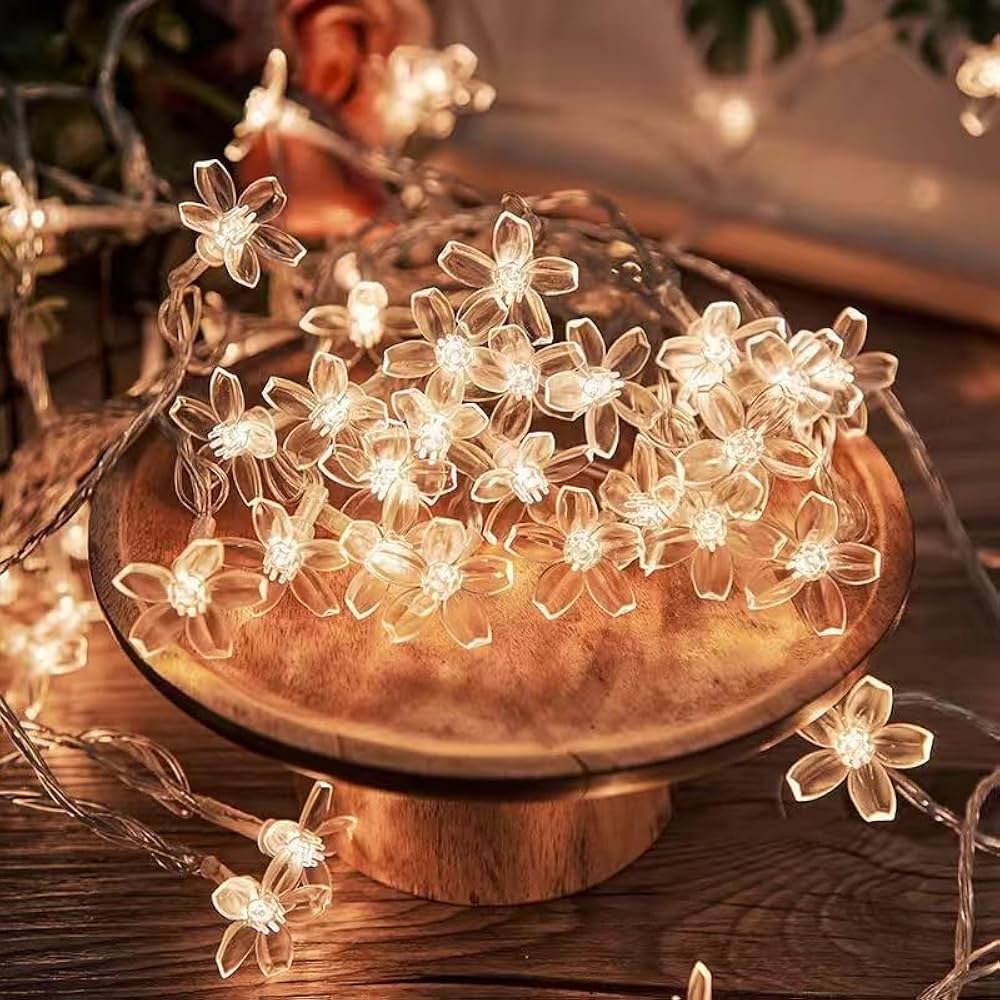
Have you ever wondered why many decorative lights are connected in series? If you’ve noticed how these lights behave—sometimes one bulb going out dims the whole string—it’s because of the way they’re wired.
Understanding why decorative lights are set up this way can help you use them better and even troubleshoot common problems. Keep reading, and you’ll discover the simple reasons behind this design and how it affects your lighting experience. This knowledge could save you time and frustration the next time you decorate!
Basics Of Series Wiring
Understanding the basics of series wiring helps explain why decorative lights are connected this way. Series wiring links all lights in a single path. Electricity flows through one light to the next, creating a chain. This simple setup affects how the lights behave and how they are used.
How Series Circuits Work
In a series circuit, all components connect end-to-end. The same electric current passes through each light bulb. If one bulb burns out or breaks, the entire circuit stops working. The voltage divides across all bulbs, so each light shares the power. This makes the bulbs glow with similar brightness.
Common Uses In Lighting
Series wiring is common in decorative string lights. It keeps wiring simple and cost-effective. Strings of holiday lights often use series circuits. This design makes it easy to add or remove bulbs. It also helps in detecting faulty bulbs quickly, as one outage means one bulb needs checking.
:strip_icc()/the-best-outdoor-string-lights-tout-38e2c433bddc4e13866b23731a8d56c5.jpg)
Credit: www.bhg.com
Advantages Of Series Wiring
Series wiring offers several key advantages for decorative lights. It makes the setup straightforward and less costly. This wiring method connects lights end-to-end, creating a single path for electricity. This design keeps the whole system simple and easy to manage. Many people prefer series wiring because it reduces mistakes and saves time during installation.
Simplicity And Cost-effectiveness
Series wiring uses fewer materials than other wiring methods. It requires less wire and fewer connectors. This lowers the overall cost of the lighting setup. The simple design also means fewer parts can fail. It helps keep maintenance costs low over time. Because of this, series wiring is ideal for budget-friendly decorations.
Easy Installation
Connecting lights in series is easy for beginners. You only need to connect each light to the next one in line. This clear path makes it simple to follow and install. No special tools or skills are necessary. The easy installation saves time and effort. It allows quick setup for events or holidays.
Reduced Wiring Complexity
Series wiring reduces the amount of wiring needed. All lights share the same electrical path. This keeps wiring neat and organized. It avoids a tangled mess of cables and connections. Less wiring complexity means fewer errors during setup. It also makes troubleshooting easier if a light goes out.
Drawbacks Of Series Wiring
Decorative lights bring a warm glow to our spaces, but their wiring can often pose challenges. Series wiring, where each light is connected one after another, might seem simple, but it has notable drawbacks. Understanding these issues can help you make smarter choices when setting up your festive decor.
Impact Of One Bulb Failing
Imagine this: you’re hosting a party, your guests are arriving, and suddenly, one bulb in your string of decorative lights goes out. What happens next? The entire string goes dark. In series wiring, every bulb is crucial to the circuit’s integrity. If one fails, the current stops flowing, leaving your space in the shadows. This can be incredibly frustrating, especially during special occasions when every light counts. Have you ever found yourself frantically searching for the faulty bulb, wondering why such a minor issue could cause so much inconvenience?
Voltage Drop Across Lights
Series wiring also brings the challenge of voltage drop across the string of lights. As electricity flows through each bulb, the voltage decreases incrementally. This means bulbs at the end of the string might not shine as brightly as those at the beginning. Have you noticed a dimmer glow towards the end of your lights? This uneven brightness can affect the overall aesthetic you’re trying to achieve. Next time you’re setting up your lights, consider how series wiring might impact the visual appeal of your decor.

Credit: www.meesho.com
Comparison With Parallel Wiring
When choosing how to wire your decorative lights, understanding the difference between series and parallel wiring is crucial. Both methods have unique effects on how the lights perform and how safe they are to use. Let’s compare these two to help you decide which setup suits your needs best.
Differences In Performance
In a series wiring setup, all the lights are connected one after another. This means the same current flows through each bulb, so if one bulb burns out, the entire string goes dark. This can be frustrating during the holidays when a single faulty bulb stops the whole display.
Parallel wiring, on the other hand, connects each bulb independently to the power source. If one light fails, the others stay lit. This setup offers consistent brightness for each bulb and reduces the chance of total blackout.
Have you ever spent hours trying to find the one bulb causing your string to fail? Parallel wiring can save you that hassle by isolating issues to single bulbs.
Safety Considerations
Series wiring tends to operate at a higher voltage across each bulb, which can cause overheating if the bulbs are not rated properly. This increases the risk of electrical fires, especially in older or damaged light strings.
Parallel circuits allow each bulb to receive the full voltage, minimizing the risk of overheating individual bulbs. The wiring is also less prone to failures since the current doesn’t have to pass through every bulb in the chain.
Always check the manufacturer’s recommendations and ensure your lights have proper insulation and fuses. Your safety depends on both how the lights are wired and the quality of the components.
Applications Of Series Lights
Series decorative lights have many uses in everyday life. Their simple design lets many bulbs connect in one line. This makes them ideal for places where long strands of lights are needed. Their uniform brightness and easy installation suit various lighting needs.
Holiday And Decorative Lighting
Series lights are popular during holidays like Christmas. They wrap around trees, fences, and rooftops. These lights create a warm, festive glow. The even light spread adds charm to decorations. They also save space and use less wiring. This makes them easy to hang and maintain.
Special Effects And Mood Lighting
Series lights help create special effects in homes and events. They provide soft, consistent light for cozy atmospheres. These lights work well in restaurants, parties, or relaxing rooms. Their steady glow enhances mood without being too bright. The design allows for easy control of light patterns and sequences.
Tips For Maintaining Series Lights
Maintaining decorative lights connected in series requires a bit of attention but pays off by keeping your space bright and festive. These tips will help you quickly fix issues and keep your lights glowing without frustration. A little care goes a long way in avoiding common problems and extending the life of your series lights.
Troubleshooting Common Issues
Series lights often go out entirely if one bulb fails. Start by checking each bulb for signs of damage or looseness. Sometimes, simply tightening a bulb can restore the entire string’s brightness.
If tightening doesn’t work, try unplugging the string and testing bulbs individually with a spare or a tester. You might find one that looks intact but doesn’t light up—this is usually the culprit. Remember, one faulty bulb can disrupt the whole series circuit.
Also, inspect the wiring for breaks or frays. Damaged wires can cause shorts or open circuits that turn off your lights. If you spot such damage, replace the string or repair it carefully with electrical tape or wire connectors.
Replacing Bulbs Efficiently
Replacing bulbs in series lights can be tedious if you don’t have a plan. Keep a small box with spare bulbs and a bulb removal tool handy, especially during peak decorating seasons. This preparation saves time and frustration.
When replacing, match the new bulb’s voltage and size exactly to the originals. Using incorrect bulbs can cause further failures or damage the set. Pay attention to the bulb’s base type and wattage specifications printed on the packaging or string.
Work methodically down the string rather than jumping around randomly. This way, you can track which bulbs you’ve checked and replaced. It reduces the chance of missing a faulty bulb and having to start over.

Credit: www.doubtnut.com
Frequently Asked Questions
Why Are Decorative Lights Connected In Series?
Decorative lights are connected in series to ensure uniform current flow. This setup is simple and cost-effective for wiring multiple bulbs. It makes the entire string light up only if all bulbs function properly, enhancing safety and ease of maintenance.
What Happens If One Bulb Fails In Series Lights?
If one bulb fails in series lights, the entire string goes out. This is because the electrical circuit is broken, stopping current flow. It helps easily identify and replace the faulty bulb, maintaining the decorative display’s consistency.
Are Series Connections Energy Efficient For Decorative Lights?
Series connections are energy efficient because the same current flows through all bulbs. This design reduces power consumption compared to parallel circuits. It also simplifies wiring, which can lower installation and maintenance costs, benefiting overall energy use.
How Does Voltage Affect Decorative Lights In Series?
In series, voltage divides equally among all bulbs. Each bulb receives a fraction of the total voltage, preventing overload. This ensures bulbs last longer and light evenly, improving the overall performance and safety of decorative light strings.
Conclusion
Decorative lights in series save energy and simplify wiring. Each bulb shares the same current, reducing power use. If one bulb burns out, the whole string may go dark. This setup is easy to install and cost-effective. People often choose series lights for holiday decorations and events.
Understanding this helps you pick the right lights for your needs. Simple design meets practical use. A smart choice for brightening up any space.