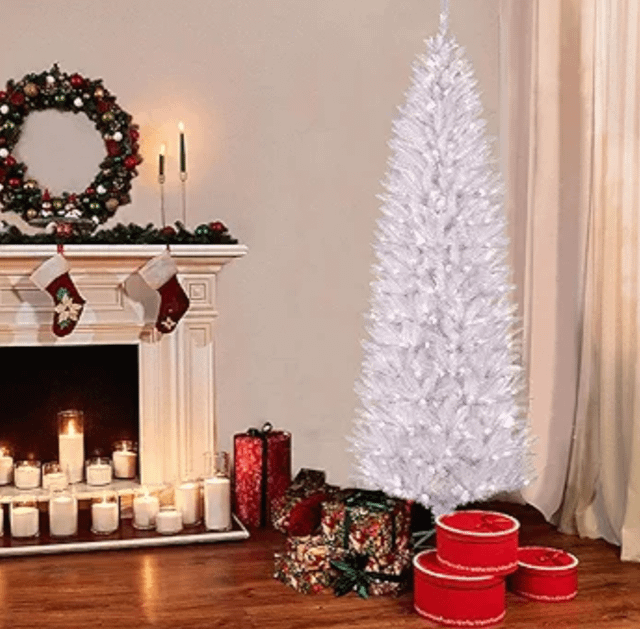
Are you wondering how many feet of lights you need to make your room truly shine? Choosing the right length can be tricky.
Too few lights might leave your space looking dull, while too many can feel overwhelming and cluttered. You’ll discover simple tips to find the perfect amount of lights for your room size. By the end, you’ll know exactly how to create a cozy, magical atmosphere that fits your space and style.
Keep reading to light up your room just right!
Choosing Light Types
Choosing the right type of lights makes a big difference when decorating a room. Different lights create different moods and effects. Some lights offer brightness, while others add a soft glow. Picking the right style helps set the perfect atmosphere.
String Lights
String lights are classic and versatile. They work well around windows, walls, or furniture. These lights usually come in long strands with bulbs spaced evenly. They provide warm, steady light that brightens any space.
Fairy Lights
Fairy lights are delicate and small. They create a magical and cozy feel. These lights are great for draping over beds or shelves. Fairy lights often have tiny LED bulbs that use little power but shine beautifully.
Led Strips
LED strips are flexible and easy to hide. They stick to edges or corners with adhesive backs. These lights can change colors and brightness. LED strips are perfect for modern and sleek room designs.
Rope Lights
Rope lights are thicker and durable. They come in a tube that protects the bulbs inside. These lights work well for outlining furniture or creating shapes. Rope lights offer bright and even lighting with a smooth look.
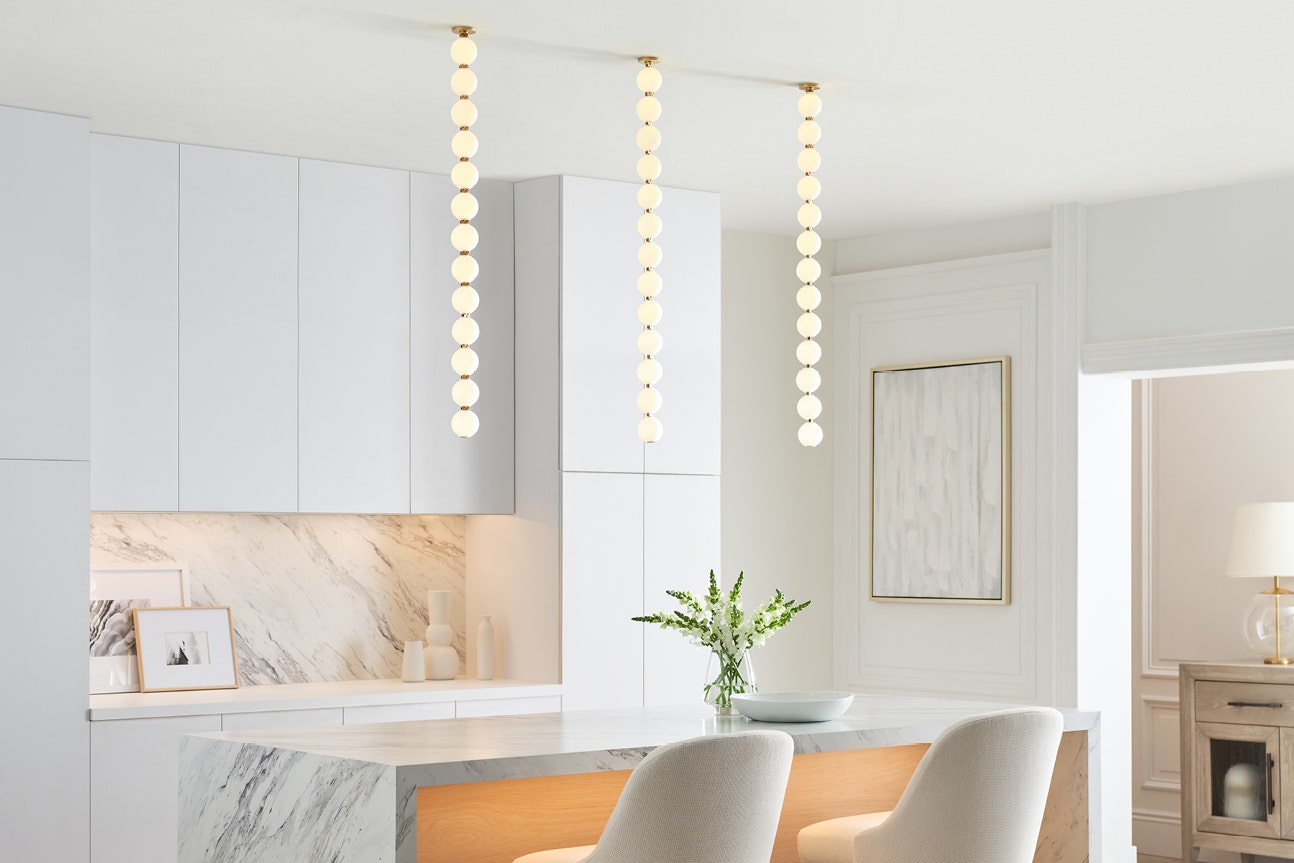
Credit: www.visualcomfort.com
Measuring Your Room
Measure the length and width of your room to estimate the total feet of lights needed. Add extra feet for draping or wrapping around furniture. This helps ensure your room is evenly and beautifully decorated.
Measuring the room is key to lighting decoration. It ensures you buy the right amount of lights. An accurate measurement prevents overbuying or underbuying. You’ll achieve a balanced look with proper planning. Let’s explore how to measure different parts of your room.Calculating Wall Perimeter
Measure each wall’s length in feet. Use a tape measure for accuracy. Add all wall lengths together. This gives the total perimeter. It helps determine how many lights you need. Consider any windows or doors. Measure around them for a precise calculation.Considering Ceiling And Floor Space
Ceiling space can host hanging lights. Measure the length and width of the ceiling. Multiply these numbers for total area. Floors can have lights around edges. Measure the perimeter of the floor. This helps in buying the right length of string lights.Account For Furniture Placement
Furniture affects light placement. Measure spaces around large furniture items. Leave enough room for lights to shine without obstruction. Consider shelves and tables in your plan. Measure their surroundings to ensure even lighting.Determining Light Length
Determining the right length of lights for decorating a room is key to creating the perfect ambiance. The length depends on the room’s size and how bright you want the space. Measuring and planning help avoid buying too many or too few lights.
Start by knowing the total feet of wall or area you want to cover. This gives a base number for how many feet of lights are needed. Adjustments come next, based on spacing and brightness preferences.
Lights Per Foot Of Wall
Count the feet of wall space where lights will hang. A common guide is 1 to 2 feet of lights per 1 foot of wall. For example, a 10-foot wall may need 10 to 20 feet of lights.
This ratio varies by light type. String lights with smaller bulbs need less length. Larger bulbs or denser designs require more feet.
Spacing Between Lights
Spacing affects how many lights fit in a given length. Lights closer together create a fuller look and more brightness.
Typical spacing ranges from 2 to 6 inches between bulbs. Tighter spacing means more lights per foot, increasing length needed.
Wider spacing reduces total light length but lessens brightness and coverage.
Adjusting For Desired Brightness
Brightness depends on bulb size, type, and spacing. More lights or closer spacing equals brighter light. Fewer lights or wider gaps create softer glow.
Decide if the lights are for mood, accent, or full illumination. Adjust length by adding or subtracting feet of lights accordingly.
Consider layering lights for flexible brightness control. This approach needs more total length but offers better light options.

Credit: www.amazon.com
Decorating Different Room Sizes
Decorating your room with lights can completely change its vibe, but the amount of lighting you need depends heavily on the room size. Using too few lights can leave your space looking dull, while too many can overwhelm it. Understanding how many feet of lights to use for small, medium, and large rooms helps you create a balanced and inviting atmosphere.
Small Rooms
In small rooms, less is definitely more. You want to avoid cluttering the space with excessive lighting. Around 10 to 20 feet of string lights usually works well, allowing you to highlight key areas like a bed frame, a bookshelf, or a window.
Try wrapping lights around a mirror or outlining a photo wall. This adds a cozy glow without overpowering the room. Have you noticed how a few well-placed lights can make a small room feel warm and welcoming?
Medium Rooms
Medium-sized rooms need a bit more coverage to create that magical ambiance. Typically, 25 to 50 feet of lights is enough to decorate walls, shelves, or even drape across the ceiling. You can be more creative here, mixing fairy lights with lanterns or LED strips.
Think about using lights to define different zones, like a reading nook or a desk area. This approach not only enhances the room’s look but also improves functionality. How could you use lighting to make your favorite corners stand out?
Large Rooms
Large rooms require a more generous amount of lighting to fill the space and avoid dark spots. Aim for 50 to 100 feet of lights depending on the room’s layout and ceiling height. You might want to combine string lights with floor lamps or chandeliers for layered illumination.
Don’t forget to measure your walls and ceiling carefully before buying lights. Planning your layout helps you avoid gaps and ensures an even, inviting glow. What areas in your large room could benefit from extra light to boost comfort and style?
Creative Lighting Ideas
Creative lighting can transform a plain room into a cozy, inviting space. Choosing the right length and placement of lights helps you highlight architectural features and create mood. How many feet of lights should you use? It depends on the area you want to brighten and the effect you aim to achieve.
Around Windows And Doors
Framing windows and doors with string lights adds charm and draws attention to these natural focal points. Measure the perimeter of each window or door to estimate how many feet of lights you need. For a standard window, 10 to 15 feet of lights usually works well.
You can wrap the lights tightly or loosely, depending on the look you want. This technique works beautifully during holidays or for everyday ambiance. Have you tried adding a soft glow around your windows to make evenings more relaxing?
Ceiling Borders
Outlining the ceiling with lights creates a subtle, uplifting glow that brightens the entire room. To find the right length, measure the total perimeter of your ceiling. Most rooms require between 40 and 60 feet of lights for a full border.
This setup is perfect for bedrooms or living areas where you want indirect lighting. It’s also easy to install with adhesive hooks or clips. Imagine coming home to a room that feels bigger and more welcoming just from a simple string of lights.
Accent Walls
Using lights on an accent wall adds texture and interest without overwhelming the space. You can drape lights vertically, create geometric patterns, or hang them behind art pieces for a glowing backdrop. Depending on your wall size, plan for 20 to 50 feet of lights.
Think about how the light can highlight your favorite photos or wall decor. This approach lets you personalize your space with warmth and style. What unique patterns could you create to make your wall stand out?
Safety And Installation Tips
Decorating a room with lights brings warmth and charm. Safety is key to enjoy the glow without risks. Follow simple installation tips to keep your space secure and beautiful.
Avoiding Overload
Check the power rating of your lights before plugging them in. Do not connect too many light strings to one outlet. Use extension cords rated for indoor use only. Overloading circuits can cause sparks or fires. Spread out lights across multiple outlets if needed. Keep cords untangled to prevent damage and overheating.
Proper Mounting Techniques
Use hooks or clips designed for hanging lights safely. Avoid nails or staples that can damage wires. Place lights away from heat sources and water. Secure cords so they do not create trip hazards. Test lights before hanging to ensure all bulbs work. Remove lights carefully after use to avoid wire breaks.
Using Timers And Controllers
Timers help control when lights turn on and off automatically. This saves electricity and prevents lights from running all night. Controllers allow easy adjustment of brightness and flashing patterns. Choose timers and controllers compatible with your light type. Set timers according to your daily routine. This adds convenience and improves safety.
Energy Efficiency And Cost
Decorating your room with lights can create a cozy and inviting atmosphere, but it’s important to consider how this affects your energy use and expenses. Choosing the right type and amount of lighting can save you money and reduce your environmental impact. Let’s break down how to be smart about energy efficiency and cost while lighting up your space.
Choosing Led Options
LED lights use significantly less energy than traditional incandescent bulbs. They last longer, which means fewer replacements and less waste. If you want bright, colorful lights without a hefty electric bill, LEDs are your best bet.
Think about the color temperature of the LEDs, too. Warm white creates a relaxing vibe, while cool white feels more energizing. You can even find dimmable LED strings, giving you control over brightness and energy use.
Estimating Electricity Use
Before buying lights, check the wattage on the packaging. Multiply the wattage by the number of hours you plan to use the lights daily, then by 30 for a monthly estimate.
| Light Type | Wattage per Foot | Hours Used per Day | Monthly kWh Consumption |
|---|---|---|---|
| LED String | 0.04 | 6 | 7.2 |
| Incandescent String | 0.3 | 6 | 54 |
How many feet of lights do you want? Keep in mind that longer strands increase energy use. This simple math helps you avoid surprise electricity bills.
Budgeting For Lights
Set a clear budget before shopping. High-quality LED strands may cost more upfront but save money over time. Cheaper lights might seem like a bargain but could burn out quickly or use more power.
Consider buying in bulk during sales or off-season for better deals. Also, think about how long you’ll keep the lights up; a short-term display might not justify a big investment. What’s your priority—saving money now or over the long run?
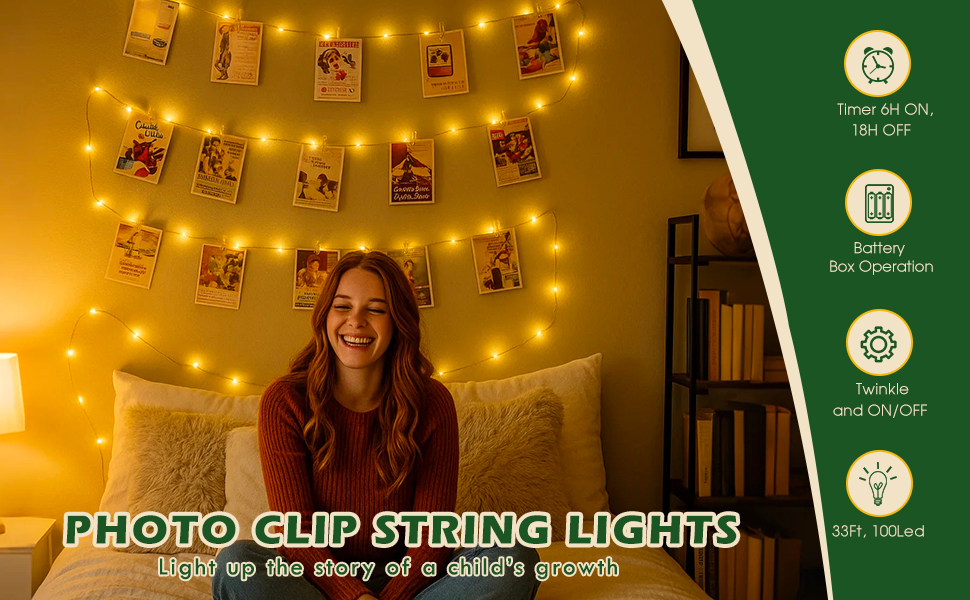
Credit: www.amazon.com
Frequently Asked Questions
How Many Feet Of Lights Are Needed For A Small Room?
For a small room, use about 100 to 150 feet of lights. This length covers walls and key areas, creating a cozy ambiance without overcrowding.
What Length Of Lights Suits A Medium-sized Room?
A medium-sized room typically requires 150 to 300 feet of lights. This amount ensures even coverage on walls, windows, and furniture for balanced decoration.
How To Estimate Lights For A Large Room?
Large rooms often need 300 to 500 feet of lights. Measure wall perimeters and focal points to calculate the exact length needed for full decoration.
Can I Use Fewer Lights For A Minimalist Look?
Yes, using 50 to 100 feet of lights works well for minimal decoration. Focus on highlighting specific areas or creating subtle accents.
Conclusion
Decorating a room with lights depends on the room’s size and style. Measure the space before buying your lights. Usually, 50 to 100 feet works for most rooms. Choose warm or cool lights to match your mood. Place lights where they shine best and look nice.
Enjoy the cozy and bright feeling your lights create. Simple steps bring big changes to your room’s look. Keep it fun and easy to make your space shine.