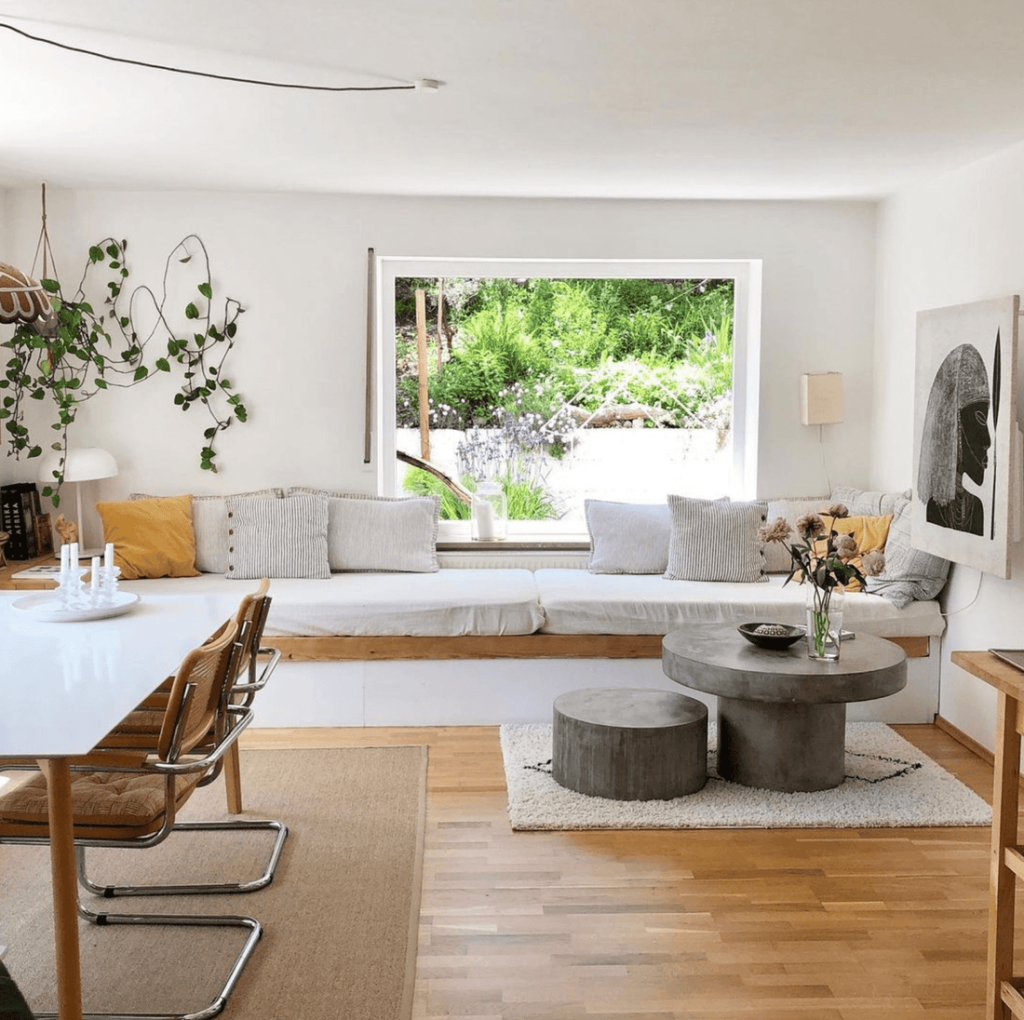
If you have a long narrow dining and living room, you might wonder how to make the space look inviting and stylish without feeling cramped. You want your home to feel open, comfortable, and balanced—but that can be tricky when the room is stretched out.
The good news is, with the right ideas and simple tricks, you can turn your narrow space into a beautiful, functional area that you’ll love spending time in. Keep reading to discover easy and effective ways to decorate your long narrow dining and living room, so every inch works perfectly for you.

Credit: www.designcafe.com
Maximize Natural Light
Maximizing natural light in a long narrow dining and living room can completely transform the space. Light opens up the room, making it feel larger and more inviting. It also highlights your decor and creates a warm, comfortable environment you want to spend time in.
Use Light Curtains
Choose curtains made from sheer or lightweight fabrics that allow sunlight to filter through. Avoid heavy drapes that block light and make the room feel smaller. Light curtains brighten the space without sacrificing privacy, and they create a soft, airy atmosphere.
Try layering your curtains with blinds or shades that you can adjust during different times of the day. This gives you control over the amount of light entering the room while keeping the design elegant and functional.
Incorporate Mirrors
Mirrors reflect natural light and help distribute it evenly across the room. Placing a large mirror opposite a window can double the light and create the illusion of depth. Consider a statement mirror above your dining table or on a narrow wall to add both style and brightness.
Don’t limit yourself to one mirror—cluster smaller mirrors in interesting shapes or frames to create a focal point that enhances light and adds personality. How could a well-placed mirror change the way your room feels?
Choose Light Wall Colors
Painting your walls in light colors such as soft whites, pale grays, or gentle pastels helps reflect sunlight instead of absorbing it. These colors create an open, airy feeling and make the room seem more spacious.
Think about the undertones of your chosen color—cool tones like light blue or green can add freshness, while warm tones like beige or blush add coziness. Test samples on your walls and observe how the natural light interacts with them throughout the day.
Furniture Placement Tips
Placing furniture along the walls opens up space in a long, narrow dining and living room. Use rugs or lighting to define separate areas without crowding the space. Choose slim or multi-functional pieces to keep the room feeling open and comfortable.
Decorating a long, narrow dining and living room requires strategic furniture placement to make the space functional and inviting. The goal is to create a balanced flow that allows for easy movement while maximizing the available space. Here are some practical furniture placement tips to help you achieve this.Create Defined Zones
Breaking up the space into distinct areas can make the room feel more organized and purposeful. Use rugs to delineate the dining area from the living space. Arranging furniture in clusters can help create these zones. For example, place your sofa and chairs in a conversational setup to form a cozy seating area. Consider using a console or a sideboard to separate the dining zone from the living area, allowing each section to have its own identity.Opt For Slim Furniture
In a narrow room, every inch counts. Choose furniture with a slender profile to avoid overwhelming the space. Slimline sofas, narrow coffee tables, and sleek dining tables can be perfect choices. Think about how a slim bookshelf can offer storage without protruding into the walking space. Remember, less bulky furniture means more room to breathe, making your area feel open and airy.Use Multipurpose Pieces
Maximize your space by incorporating furniture that serves multiple functions. A storage ottoman can double as a coffee table and extra seating. Consider a foldable dining table that can be extended when guests arrive. Multipurpose pieces not only save space but also add versatility to your room. What’s your favorite way to add functionality without cluttering the room? Share your ideas and see if they align with these tips!Color Schemes And Patterns
Choosing the right color schemes and patterns shapes the feel of a long narrow dining and living room. Colors influence mood and perception of space. Patterns can create interest and guide the eye. Together, they help make a narrow space feel wider and balanced.
Stick To Neutral Tones
Neutral tones open up the room and make it appear larger. Shades like beige, gray, soft white, and taupe work well. These colors create a calm, cohesive background. They allow furniture and decor to stand out without overwhelming the space. Use neutrals on walls, floors, and large furniture pieces.
Add Bold Accents
Bold accents break the monotony of neutrals. Choose one or two colors to highlight with cushions, rugs, or artwork. Deep blues, rich greens, or warm oranges add energy. Keep accents balanced and avoid overcrowding. Use them to draw attention to key areas like the dining table or seating zone.
Use Vertical Patterns
Vertical patterns make ceilings feel higher and rooms taller. Stripes or tall geometric shapes work best. Apply them on curtains, wallpaper, or rugs. Vertical lines guide the eye upward, creating a sense of height. This trick reduces the feeling of narrowness and elongates the room visually.
Lighting Solutions
Lighting can transform a long narrow dining and living room into a warm, inviting space. It highlights your design choices and can make the room feel balanced and spacious. Choosing the right lighting solutions helps you avoid a tunnel-like effect and creates zones that feel comfortable and functional.
Layered Lighting
Think about lighting in layers: ambient, task, and accent. Ambient lighting brightens the whole room, while task lighting focuses on specific areas like the dining table or reading nook. Accent lighting adds drama by highlighting artwork or architectural details.
You might combine recessed ceiling lights for overall brightness with adjustable wall sconces to add warmth. This mix keeps the room from feeling flat and makes each section stand out without overpowering the space.
Statement Fixtures
A bold chandelier or pendant light can act as a centerpiece in your dining area, drawing attention and adding personality. Choose fixtures that complement the length of the room without overwhelming it—slim, elongated shapes work well.
Try hanging a fixture above the dining table that visually anchors the space. This creates a natural stopping point, breaking up the long room and giving your eyes a place to rest.
Under Cabinet And Floor Lamps
Under cabinet lighting isn’t just for kitchens; it works well in living areas with shelves or display units. These lights add subtle illumination and depth without cluttering the ceiling.
Floor lamps offer flexible lighting options and can be moved to where you need extra light or ambiance. Look for slim, tall designs that fit the narrow space and provide light without taking up much room.
Decorative Elements
Decorative elements shape the feel of a long narrow dining and living room. They bring personality and style to the space. Thoughtful choices create balance and harmony without crowding the room. Small touches can make a big difference. Let’s explore key decorative ideas to enhance this unique layout.
Artwork And Wall Decor
Use artwork to add color and interest to the walls. Choose pieces that complement the room’s style and palette. Vertical art works well to draw the eyes upward. Consider a gallery wall with small frames to create a focal point. Mirrors also enhance light and create a sense of depth. Avoid heavy or large frames that overwhelm narrow walls.
Area Rugs For Zoning
Area rugs define separate zones within the long narrow space. Place a rug under the dining table to anchor that area. Use another rug in the living section to create a cozy spot. Rugs with simple patterns and light colors help open the space visually. Make sure rugs fit the furniture size and leave some floor visible around edges.
Greenery And Plants
Plants add life and freshness to the room. Use tall plants in corners to soften sharp edges. Small potted plants on shelves or tables bring natural beauty. Hanging plants save floor space and add interest at different heights. Choose low-maintenance plants suited for indoor light conditions. Greenery improves air quality and creates a calming environment.
Storage Ideas
Finding smart storage solutions is key when decorating a long narrow dining and living room. You want to keep the space functional without crowding it. Thoughtful storage can help you maintain a clean, open feel while keeping everything you need close at hand.
Built-in Shelving
Built-in shelves are a great way to add storage without taking up extra floor space. They fit perfectly into narrow walls or alcoves and can be customized to match your style. Imagine having a sleek wall of shelves to display your favorite books, decor, and even dining essentials.
Think about adding adjustable shelves to accommodate different items. You can also include closed cabinets at the bottom for hiding clutter. Wouldn’t it be nice to have a spot for everything, neatly organized and easy to reach?
Hidden Storage Options
Hidden storage keeps your room looking tidy and spacious. Consider furniture with storage inside, like ottomans that open up or benches with compartments. These pieces serve double duty, giving you extra seating and storage in one.
Another smart idea is to use dining tables with drawers or lift-up tops. This gives you a place to store table linens, cutlery, or even board games. How often do you wish you had more spots to tuck things away without adding bulky furniture?
Use Vertical Space
When floor space is tight, go vertical. Tall bookcases, hanging shelves, and wall-mounted cabinets draw the eye upward and free up room below. You can also use hooks or pegboards to hang items like mugs or kitchen tools in the dining area.
Don’t forget about the space above doorways or windows. Adding narrow shelves there can hold decorative items or rarely used objects. How much more organized would your room feel with a little vertical thinking?
Flow And Accessibility
Creating a smooth flow and easy accessibility in a long narrow dining and living room is key to making the space feel open and comfortable. Without proper planning, these rooms can quickly become cramped and difficult to navigate. You want your guests and family to move freely without bumping into furniture or feeling boxed in.
Clear Pathways
Ensure there is a clear walking path that connects the dining and living areas. Avoid placing large pieces of furniture in the middle of the room where they block movement. A good rule of thumb is to keep at least 30 inches of walking space between furniture.
Try arranging furniture along the walls or in a way that guides people naturally from one area to another. Think about how you move through the room daily—does anything feel like an obstacle? Adjust your layout until the flow feels effortless.
Avoid Clutter
Clutter makes any narrow space feel even tighter. Keep surfaces like tables and shelves free from too many decorative items. Use storage solutions like baskets, ottomans with hidden compartments, or slim cabinets to keep everyday items out of sight.
Ask yourself if every item in the room serves a purpose or adds beauty. Removing unnecessary pieces can instantly open up the space and make it easier to move around. Remember, less is more in a long narrow room.
Use Sliding Doors
Standard swinging doors can eat up precious space and block pathways when open. Sliding doors save space and allow you to create a seamless transition between rooms. They work especially well if you want to separate the dining area from the living room without sacrificing flow.
Consider installing sliding doors with glass panels to let light pass through and keep the room feeling bright. Have you thought about how your doors impact your room’s accessibility? Sometimes a simple door swap can make a big difference.
:max_bytes(150000):strip_icc()/designer-digs-5209106-recirc-890366b347c445a0bdd3d10221f2b1fd.jpg)
Credit: www.thespruce.com

Credit: www.designcafe.com
Frequently Asked Questions
How To Maximize Space In A Long Narrow Dining Room?
Use slim, multifunctional furniture and light colors to open the space. Mirrors reflect light and create depth. Keep décor minimal to avoid clutter and maintain flow.
What Colors Suit A Narrow Living And Dining Room?
Opt for light, neutral shades like beige, white, or pastels. These colors enhance natural light and make the room feel larger and more inviting.
How To Arrange Furniture In A Long Narrow Dining And Living Room?
Place furniture along the walls to maximize central space. Use rugs to define zones. Keep pathways clear for easy movement and visual balance.
What Lighting Works Best For Long Narrow Rooms?
Use layered lighting: ceiling lights for general illumination, wall sconces to add depth, and task lighting near dining or seating areas. This creates a warm, balanced ambiance.
Conclusion
Decorating a long narrow dining and living room can be simple and fun. Use light colors to open up the space. Arrange furniture to create clear paths and cozy zones. Add mirrors to reflect light and make the room feel bigger.
Choose slim, tall pieces to save floor space. Keep decorations minimal but meaningful. With these ideas, your room will look stylish and comfortable. Small changes can make a big difference. Enjoy creating a space that feels just right for you.