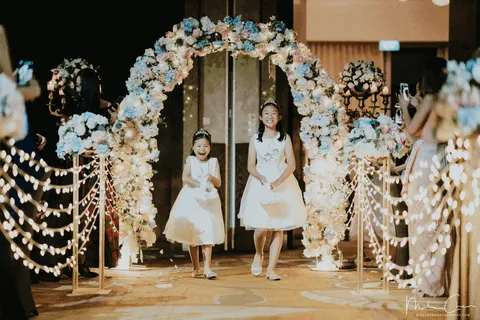
Planning your wedding decorations can feel overwhelming, especially when it comes to lighting. You might wonder, how many feet of lights do you actually need to create that magical, unforgettable atmosphere?
Getting this right is key to making your special day shine without overspending or missing the mark. You’ll discover simple tips and clear guidelines to help you figure out exactly how many feet of lights will transform your venue into a dream setting.
Keep reading, because your perfect wedding glow is just a few steps away!

Credit: smuf.in
Choosing Light Types
Choosing the right type of lighting can transform your wedding venue from ordinary to magical. The style of lights you pick sets the mood and complements your wedding theme. Think about the atmosphere you want to create—romantic, rustic, modern, or whimsical—and choose lights that match that vision.
String Lights
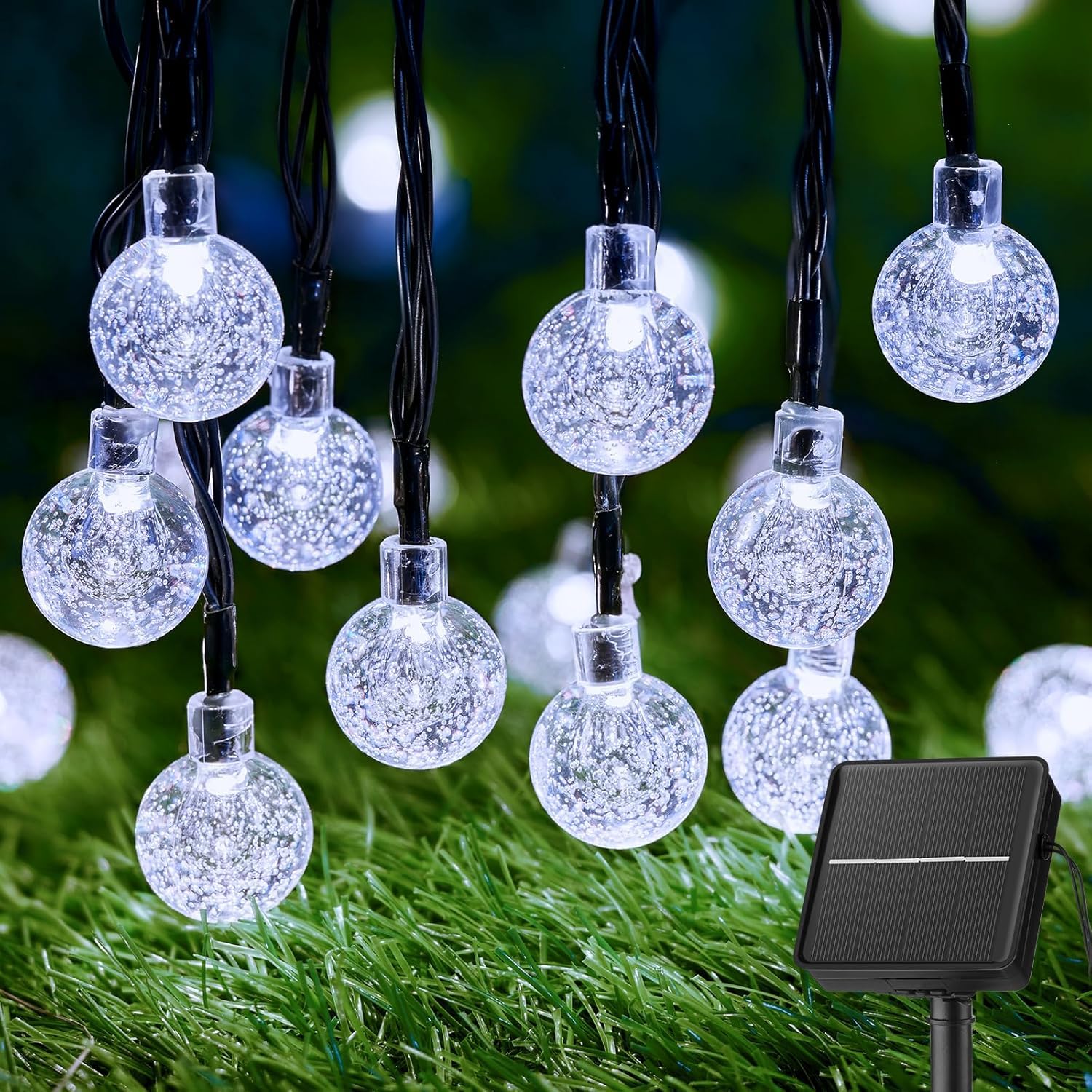
String lights are a classic choice for weddings. They provide a warm, inviting glow that works well both indoors and outdoors. You can drape them across ceilings, wrap them around trees, or hang them along fences to create cozy, intimate spaces.
One time, I saw a couple use string lights to create a canopy effect over their outdoor dance floor. It made the whole area feel like a starry night, and guests couldn’t stop talking about it. Would your wedding benefit from that kind of enchanting vibe?
Fairy Lights
Fairy lights are tiny and delicate, perfect for adding a subtle sparkle. They work great inside glass jars, wrapped around bouquets, or woven into centerpieces. Because of their size, they’re easy to use in creative ways that add charm without overpowering other decorations.
Consider using fairy lights if you want a soft, twinkling effect that feels magical but understated. How could you use these little lights to highlight special spots like your cake table or guest book area?
Edison Bulbs
Edison bulbs bring a vintage, industrial feel with their warm amber glow and visible filaments. They’re ideal if your wedding has a rustic or retro theme. Hanging them in clusters or lining them along beams can add character and a cozy ambiance.
One couple I know hung Edison bulbs in an old barn, and it instantly turned the space into a stylish, intimate venue. Could these bulbs add the perfect touch of nostalgia to your celebration?
Led Strips
LED strips offer versatility and modern flair. They can be placed under tables, along stairs, or around bars to create colorful accents or clean white lines. Plus, they use less energy and can change colors to match your wedding palette.
If you want to add a contemporary edge or highlight architectural features, LED strips might be your best bet. What areas in your venue could benefit from a splash of dynamic lighting?

Credit: www.amazon.ca
Measuring Your Space
Decorating a wedding venue with lights creates a magical atmosphere. Measuring your space is crucial to ensure everything looks perfect. Start by understanding the dimensions of the areas you plan to decorate. This will help you decide how many feet of lights are needed. Each space has unique requirements, so carefully assess them.
Ceiling Dimensions
Begin with the ceiling. Measure its height and width. This will guide you in choosing the right length of lights. Consider the type of lighting design you want. Do you prefer draping lights across the ceiling or creating intricate patterns? Knowing the dimensions helps in planning the installation. Ensure you have enough lights to cover the entire area.
Wall Lengths
Next, focus on the walls. Measure the length of each wall you want to decorate. Decide if you want lights running along the entire length or just specific sections. This will determine how many feet of lights you’ll need. Wall decorations can enhance the overall ambiance. Make sure you have enough lights to achieve your desired effect.
Outdoor Areas
Outdoor spaces require special attention. Measure areas like gardens or patios. Consider trees or structures you want to highlight. Calculate the number of lights needed based on these measurements. Outdoor lighting adds charm and elegance to your wedding. Ensure you use weather-resistant lights for safety and durability.
Tables And Centerpieces
Tables and centerpieces are focal points at a wedding. Measure table dimensions to decide on the number of lights needed. Consider using LED lights or fairy lights. These can be wrapped around centerpieces or placed in decorative jars. Proper lighting enhances the beauty of table arrangements. Make sure the lights complement the overall theme.
Calculating Light Length
Calculating the right length of lights for a wedding is key to creating a magical atmosphere. The length depends on the area you want to cover and the style you want to achieve. Measuring the space and understanding your lighting needs helps avoid buying too much or too little. This section breaks down how to estimate light length accurately.
Estimating String Light Coverage
Start by measuring the perimeter of the area to be decorated. Include walls, ceilings, or outdoor spaces where lights will hang. Multiply the total length by the number of rows or strands you want. For example, a 50-foot perimeter with two rows requires about 100 feet of lights. Always add 10-15% extra length for flexibility and securing ends.
Spacing Between Lights
Spacing affects the overall look and brightness. Common spacing between bulbs is 6 to 12 inches. Closer spacing gives a denser, brighter effect. Wider spacing creates a softer, more subtle glow. Check the product details for bulb spacing before purchasing. Adjust total string length based on the space between bulbs to match your desired style.
Layering Effects
Layering lights adds depth and charm to wedding decor. Use multiple strands at different heights or angles. Combine fairy lights with larger bulbs for contrast. Calculate length for each layer separately. Add all lengths for total light needed. Plan layers carefully to avoid overcrowding and ensure even coverage.
Decorating Different Areas
Lighting can transform each space at your wedding, creating the perfect mood and highlighting key moments. Deciding how many feet of lights to use depends on where you want to add that magical glow. Let’s break down different areas and how to light them up effectively.
Ceremony Arch
The ceremony arch is a focal point where you want the lights to draw attention without overpowering the natural beauty. Wrapping fairy lights around the arch frame can take around 20 to 30 feet of string lights, depending on the size.
If your arch is larger or more elaborate, consider adding additional draped strands across the top for depth. You might think a lot of lights is better, but too many can distract from the couple. How much light feels just right to you?
Reception Ceiling
Ceiling lighting sets the overall vibe for your reception. To cover a medium-sized room, plan on using about 100 to 150 feet of string lights if you’re creating a full canopy effect.
Instead of covering every inch, you could space the lights with a few feet in between to keep the look airy and elegant. Hanging them in a zigzag or crisscross pattern adds dimension without using excessive footage.
Dance Floor
The dance floor needs bright, lively lighting that encourages guests to move. Wrapping lights around poles or framing the dance area usually requires 40 to 60 feet of lights.
Try using a mix of string lights and spotlights to highlight the space without making it feel cramped. Have you noticed how lighting can influence the energy of a dance party?
Photo Booth
A well-lit photo booth invites guests to capture fun memories. To outline the booth and add some sparkle, 15 to 25 feet of lights is often enough.
String lights around the frame and add some hanging strands inside for a cozy feel. Think about the style of your booth—do you want warm white lights or colorful bulbs? Your choice here affects the vibe of every snapshot.
Safety And Installation Tips
Decorating your wedding with lights can transform the atmosphere, but safety should never take a back seat. Proper installation not only ensures a stunning display but also keeps everyone safe and the event running smoothly. Let’s dive into key safety and installation tips that help you enjoy your celebration without any electrical hiccups.
Power Source Planning
Start by identifying your power source locations before hanging any lights. Are there enough outlets nearby? If not, consider using outdoor-rated extension cords and power strips designed for high loads.
Think about how many strands you want to connect and check the wattage limits. Overestimating your power needs can cause tripped breakers or blown fuses. A simple checklist of your light strings’ power requirements helps avoid surprises.
Weather Considerations
Outdoor weddings often mean dealing with unpredictable weather. Are your lights rated for outdoor use? Only use waterproof or weather-resistant lights to prevent short circuits and fire hazards.
Wind and rain can damage poorly secured lights or cause them to fall. Have a backup plan like temporary coverings or quick takedown methods to protect your setup. Do you know where your lights will be safest if the weather turns bad?
Securing Lights
Properly securing your lights prevents accidents and keeps the display looking neat. Use clips, hooks, or zip ties instead of nails or staples that can damage wiring.
Plan your hanging points carefully—support lights along their entire length to avoid sagging or strain on the wires. Your guests will thank you for a tidy, hazard-free setup.
Avoiding Overload
Overloading electrical circuits is a common mistake that can cause outages or fires. Check the maximum number of light strings allowed per outlet or extension cord. This information is usually printed on packaging or labels.
Distribute your load evenly across multiple circuits if possible. Consider using LED lights—they use less power and reduce the risk of overload. Are you ready to double-check your setup before flipping the switch?
Budgeting For Lights
Budgeting for lights is a crucial part of planning your wedding decor. Knowing how much to allocate can prevent overspending and help you get the perfect ambiance without breaking the bank. Let’s break down the costs and options so you can make smart choices tailored to your style and budget.
Cost Per Foot
Lighting prices vary widely depending on the type and quality of lights you choose. On average, string lights cost between $0.50 to $2.00 per foot. Higher-end LED lights might run closer to $3 or more per foot, but they use less energy and last longer.
Keep in mind that specialty lights, like fairy or globe bulbs, can increase the cost. Calculate the total feet you need and multiply by the cost per foot to get a clear estimate. Have you measured your venue’s key areas yet? It’s the first step to avoid surprises.
Rental Vs Purchase
Deciding whether to rent or buy lights depends on your future plans and budget. Renting can save money upfront, especially if you only need lights for one day. Rental packages often include setup and takedown, which can ease your stress.
Buying lights might cost more initially but gives you flexibility for reuse or resale. Think about your wedding style—is it a one-time event or will you host parties in the future? Buying allows you to keep lighting as a memento or for other celebrations.
Diy Options
Creating your own light decorations can cut costs and add a personal touch. You might string lights around mason jars or create hanging lanterns with inexpensive supplies. This approach requires time but can save hundreds of dollars.
Consider your schedule and DIY skills before committing. Would you enjoy crafting with friends or family, turning it into a fun pre-wedding activity? Sometimes, a little effort can transform simple lights into stunning decor elements.
Credit: www.amazon.com
Frequently Asked Questions
How Many Feet Of Lights Are Needed For A Wedding?
Typically, 100 to 300 feet of lights are ideal for wedding décor. The amount varies by venue size and lighting style. Smaller venues need fewer lights, while larger outdoor spaces require more for full coverage and ambiance.
What Types Of Lights Are Best For Wedding Decoration?
String lights, fairy lights, and LED bulbs work best. They create a warm, romantic atmosphere and are energy-efficient. Choose soft white or warm yellow tones to enhance the wedding mood.
How Do I Calculate Lights Needed For Outdoor Weddings?
Measure the perimeter and key areas where lights will hang. Add extra feet for draping and layering. Plan for at least 200 feet to ensure sufficient coverage in most outdoor settings.
Can I Mix Different Lighting Styles For Weddings?
Yes, mixing string lights with lanterns or candles adds depth. Combining lighting types enhances the ambiance and highlights different décor features. Balance is key to avoid over-lighting.
Conclusion
Choosing the right length of lights makes your wedding shine bright. Measure your space carefully before buying any lights. Think about where you want to hang them. Add extra feet to cover mistakes or changes. Lights create a warm, magical feel for your big day.
Use soft, warm colors for a cozy look. Planning ahead saves you time and stress later. Your wedding will look beautiful with the perfect lighting. Simple steps bring a stunning, memorable atmosphere. Brighten your celebration with just the right amount of lights.