
Is your living room a bit different from the usual square shape? You’re not alone, and decorating it can feel tricky.
But here’s the secret: an oddly shaped living room is actually a fantastic chance to get creative and make your space truly unique. Imagine turning those unusual corners into cozy spots or eye-catching features that everyone will notice. You’ll discover simple, smart ideas to decorate your non-square living room in a way that feels balanced, stylish, and just right for you.
Ready to transform your space? Let’s dive in!
Assessing Your Room Shape
Understanding the shape of your living room is the first step in decorating it well. A non-square room brings unique challenges and opportunities. Knowing your room’s layout helps to choose the right furniture and design style. It also improves space use and flow.
Identifying Common Non-square Layouts
Many living rooms are not perfect squares. Some common shapes include:
- Rectangular rooms, longer in one direction
- L-shaped spaces that create two connected areas
- Rooms with angled walls or corners
- Irregular layouts with alcoves or nooks
Recognizing your room’s shape is key to planning the layout. Each shape needs different furniture arrangements and decorating tricks.
Measuring For Accuracy
Measure your living room carefully before buying furniture or decorations. Use a tape measure to note the length and width of each wall. Check for any wall angles or unusual corners.
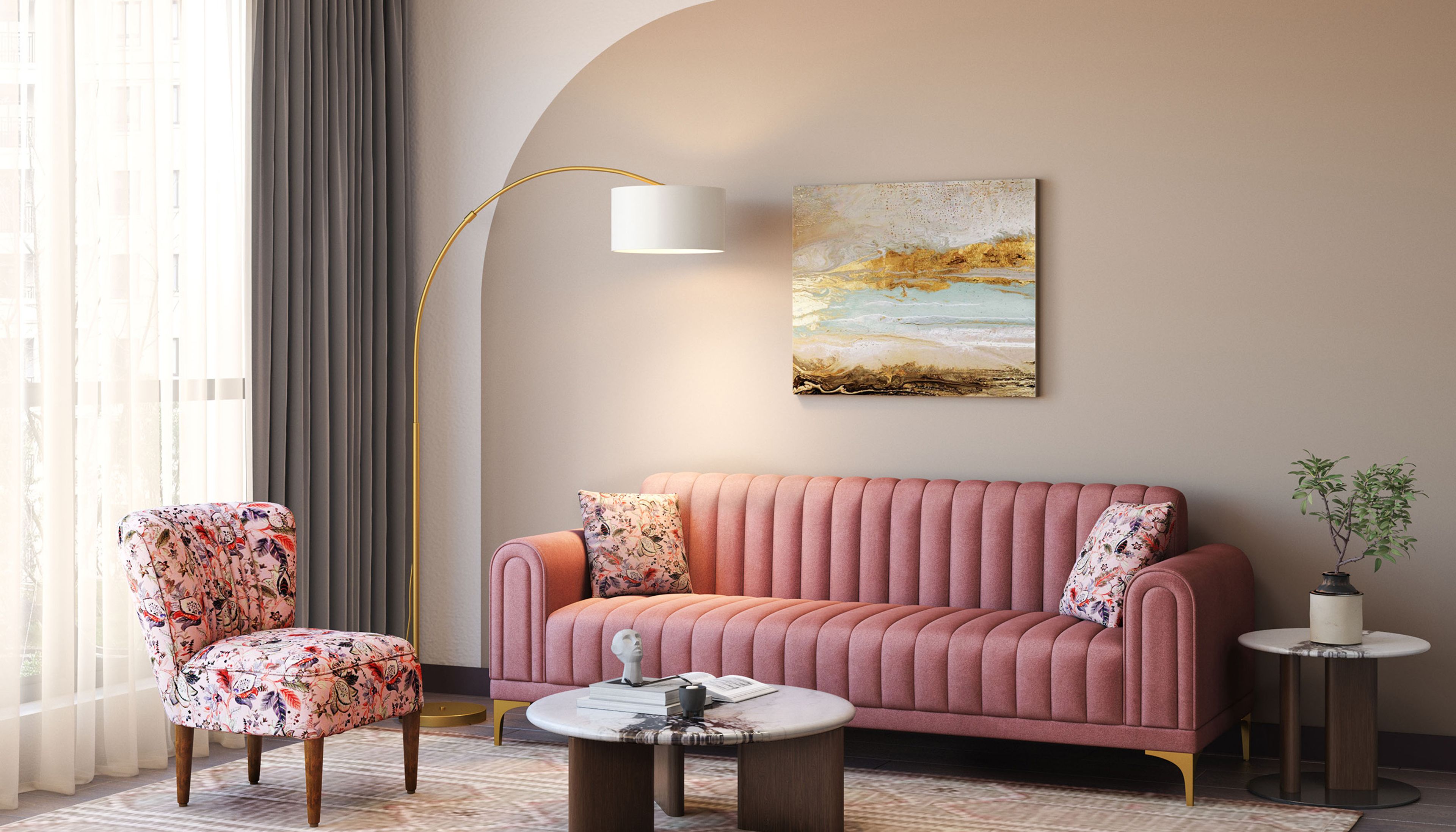
Write down all measurements and draw a simple floor plan. Mark doors, windows, and fixed features. Accurate measurements help to avoid mistakes and wasted space.
Credit: www.livspace.com
Choosing The Right Furniture
Choosing the right furniture for a living room that isn’t square can feel like solving a puzzle. The shape of your space demands more thought about size, placement, and function. Picking pieces that fit well and flow naturally can transform awkward corners and odd angles into cozy, inviting spots.
Opting For Flexible Pieces
Flexible furniture adapts to your space and needs. Look for items like modular sofas or nesting tables that you can move around easily. This lets you experiment with layouts until you find what feels right.
Think about a sectional that you can split or rearrange, or chairs that are lightweight enough to shift for different occasions. These choices help you make the most of unusual room shapes without overcrowding.
Avoiding Oversized Items
Oversized furniture can overwhelm a non-square living room and make it feel cramped. Instead, choose pieces with slimmer profiles and lower heights to keep the space open.
For example, a large bulky sofa might block natural pathways or hide unique architectural features. Smaller, well-proportioned furniture lets you highlight the room’s character and keeps movement easy.
Arranging Furniture Creatively
Creative furniture placement can turn an odd-shaped living room into a cozy, functional space. Use angled arrangements and varied seating to balance the room’s unique shape. Focus on flow and comfort to make the area inviting and practical.
Arranging furniture creatively can transform a non-square living room into a cozy haven. Embrace the room’s unique shape by thinking outside the box. Use your creativity to make the space functional and inviting.Creating Zones
Divide the room into distinct areas. Use rugs or furniture to define zones. Place a sofa to create a seating area. Add a small table for drinks or books. Choose a corner for reading or relaxing. Use a comfortable chair and lamp. These zones help maximize space and create a flow.Using Angles To Your Advantage
Leverage the room’s angles to enhance design. Place furniture diagonally for a dynamic look. This can make the room feel larger and more interesting. Use angled shelves to display books or decor. Position the TV or artwork on an angled wall. This draws attention and adds depth to the room.:strip_icc()/9-8-2021_DIY1664-07a86ef105c8434e9b4e0253cab0c2f6.jpg)
Credit: www.bhg.com
Incorporating Lighting Effectively
Lighting can transform a living room that isn’t square into a warm, inviting space full of character. It helps define areas, balances unusual angles, and brings attention to details that might otherwise go unnoticed. The key is to think about light as a tool to create mood and depth, not just brightness.
Layering Light Sources
Using multiple types of lighting helps you control the atmosphere and function of your living room. Combine ambient, task, and accent lights to give your space flexibility.
- Ambient lighting:This is your main source, like ceiling fixtures or recessed lights. It sets the overall brightness.
- Task lighting:Add floor lamps or table lamps near seating areas for reading or working.
- Accent lighting:Use spotlights or wall sconces to highlight art, plants, or unique corners.
Think about how you use your living room at different times of the day. Adding dimmers can help adjust light levels and create the right vibe for any moment.
Highlighting Architectural Features
Oddly shaped rooms often have interesting angles, beams, or niches that can become focal points with the right light. Instead of trying to hide these features, make them stand out.
Use directional lighting like track lights or adjustable spotlights to draw attention to these details. Imagine how a slanted ceiling or exposed brick wall can add charm when lit properly.
Have you noticed how a well-lit archway or a cozy alcove changes the whole feel of a room? Lighting these spaces not only adds interest but also breaks up the room visually, helping it feel balanced despite its shape.
Selecting Rugs And Textiles
Selecting rugs and textiles for a living room that isn’t square can transform the space and solve layout challenges. The right choices bring balance, comfort, and style while highlighting your room’s unique shape. Let’s focus on how to pick shapes and add texture and color to make your living room inviting and cohesive.
Choosing Shapes That Fit
Rectangular or square rugs might feel off in an irregularly shaped room. Instead, try round or oval rugs to soften sharp corners and create flow. These shapes help anchor seating areas without emphasizing awkward angles.
Consider layering rugs of different shapes to define zones and add depth. For example, place a smaller round rug over a larger rectangular one near your seating to create a cozy nook. This approach adds visual interest and adapts to your room’s layout.
Ask yourself: does your rug highlight the space or make it feel cramped? You want it to guide movement and make furniture feel connected, not isolated.
Adding Texture And Color
Textiles are your secret weapon for adding warmth and personality to an oddly shaped living room. Mix materials like wool, cotton, and jute to create tactile layers that invite touch and relaxation.
Bold colors or patterns can distract from unusual room shapes by drawing eyes to the textiles instead. Try pillows, throws, or curtains in vibrant hues or geometric prints to energize the space.
- Use neutral rugs with colorful cushions if you want subtlety with pops of color.
- Choose textured fabrics like chunky knits or embroidered pillows for a cozy vibe.
- Don’t be afraid to combine patterns, but keep a consistent color palette for harmony.
Think about how your textiles feel underfoot and to the touch. Do they make you want to sit down and stay awhile? That’s the feeling you want to create.
Utilizing Wall Space
Using wall space effectively changes the feel of a living room that is not square. Walls offer a chance to add style and function without taking floor space. This helps balance the room’s shape and create a cozy atmosphere. Thoughtful wall decor and storage make the space feel bigger and organized.
Mounting Art Strategically
Place art pieces where they draw attention and fill empty walls. Use large frames on wide walls to balance the room’s shape. Group small artworks in a grid or line to create order. Keep the art at eye level for the best view.
Use wall art to highlight corners or odd angles. This directs the eye and makes the shape feel intentional. Choose colors in the art that match the room’s palette. This ties the space together and adds harmony.
Installing Shelving For Balance
Shelves add storage and display space without cluttering floors. Use floating shelves to keep the room open and light. Place shelves on longer walls to balance the shape visually.
Mix open shelves with closed cabinets to hide clutter. Use shelves to display books, plants, or decor items. Keep the arrangement simple to avoid a crowded look. Shelving helps define different zones in an irregular room.
Adding Decorative Elements
Adding decorative elements is key to making a non-square living room feel inviting and balanced. These accents draw attention away from odd shapes and create harmony. Thoughtful decoration highlights the room’s best features and adds warmth.
Decorative pieces can soften sharp corners and fill empty spaces with style. They also help define different areas in the room. Choosing the right elements improves flow and makes the space more functional.
Incorporating Plants And Greenery
Plants bring life and freshness to any living room. They add color and texture without taking much space. Tall plants fit well in corners that feel empty or awkward.
Use a mix of small and large plants to create layers. Place them on shelves, tables, or the floor. Hanging plants work well if floor space is limited. Greenery connects the indoors with nature, making the room more relaxing.
- Choose easy-care plants like snake plants or pothos.
- Use decorative pots that match your room style.
- Group plants in odd numbers for a natural look.
Using Mirrors To Expand Space
Mirrors make rooms feel larger and brighter. They reflect light and open up tight spaces. Position mirrors across windows to maximize natural light.
Choose mirrors with interesting frames to add character. Large mirrors work well on long walls, balancing the shape of the room. Multiple small mirrors can create a focal wall and add depth.
- Place mirrors at eye level for best effect.
- Lean a tall mirror against a wall for a casual look.
- Use mirrored furniture to add shine and function.
Credit: www.houseandgarden.co.uk
Frequently Asked Questions
How To Arrange Furniture In A Non-square Living Room?
Place larger furniture along longer walls to maximize space. Use rugs to define seating areas. Avoid blocking walkways for smooth flow and comfort.
What Colors Work Best For Irregular-shaped Living Rooms?
Use light, neutral colors to open up the space. Add bold accents to highlight features. Balanced tones prevent the room from feeling cramped.
How To Create Balance In An Odd-shaped Living Room?
Use symmetrical furniture placement and matching decor pieces. Incorporate varied textures and patterns. This approach maintains visual harmony despite irregular shapes.
Can Mirrors Improve A Non-square Living Room’s Look?
Yes, mirrors reflect light and create an illusion of space. Place them opposite windows to enhance natural light and openness.
Conclusion
Decorating a living room that is not square can be fun and creative. Use furniture to define spaces and create flow. Choose colors and lighting to make the room feel bright and open. Add rugs and art to bring warmth and style.
Remember, the shape of the room is just one part. Your personal touch makes the space special and cozy. Keep experimenting until the room feels right for you. Enjoy making your unique living room comfortable and beautiful.