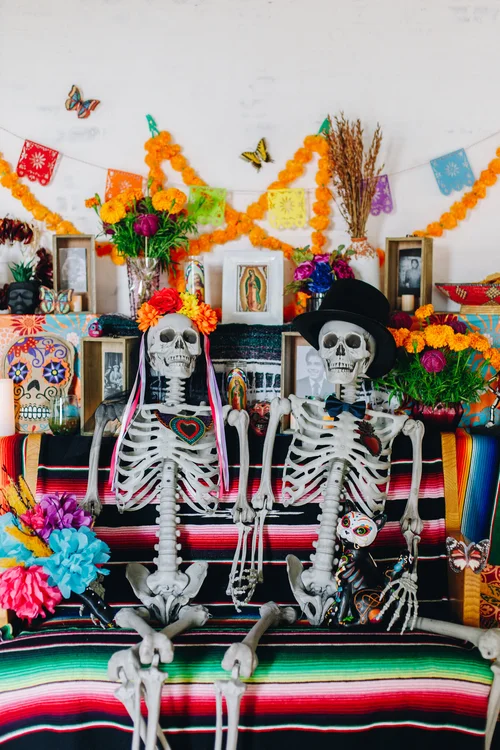
Have you ever wondered what makes the Day of the Dead so colorful and meaningful? The decorations you see during this holiday are not just beautiful—they tell a powerful story about life, memory, and love.
If you want to understand the symbols and colors that bring this celebration to life, you’re in the right place. Keep reading, and you’ll discover how each decoration connects you to a rich tradition that honors those who came before you.
This is more than just a holiday; it’s a way to feel close to your roots and keep special memories alive.

Credit: parade.com
Origins Of Day Of The Dead
The Origins of Day of the Dead reveal a fascinating blend of ancient traditions and modern culture. This holiday is much more than just colorful decorations and festive gatherings—it carries deep historical roots that continue to influence how people honor their loved ones. Understanding where Day of the Dead began helps you appreciate its meaning beyond the surface.
Ancient Indigenous Roots
Day of the Dead traces back thousands of years to indigenous peoples of Mexico, like the Aztecs, Maya, and Toltecs. These civilizations held a cyclical view of life and death, seeing death as a natural phase rather than an end. They celebrated the lives of those who passed with rituals that welcomed their spirits back for a brief reunion.
Impact Of Spanish Colonization
When Spanish colonizers arrived in the 16th century, they brought Catholic traditions, including All Saints’ Day and All Souls’ Day. The indigenous customs blended with these new religious practices, creating a unique hybrid holiday. This fusion shaped Day of the Dead into a celebration that balances remembrance with faith.
Symbolism Behind The Traditions
Many symbols you see during Day of the Dead, like marigold flowers, sugar skulls, and altars, come from these mixed origins. Marigolds, known as “flowers of the dead,” are believed to guide spirits with their bright color and scent. Sugar skulls remind us that death is part of life and can be approached with humor and acceptance.
Why Does It Matter Today?
Understanding these origins changes how you experience the holiday. It’s not just a party or decoration theme but a meaningful way to connect with your heritage and loved ones. Have you ever thought about how your own family remembers those who passed? Day of the Dead invites you to reflect on your personal traditions and the stories you want to keep alive.

Credit: parade.com
Key Symbols And Their Meanings
The Day of the Dead is full of rich symbols. These symbols carry deep meanings about life and death. They help families remember and honor their loved ones. Each symbol tells a story and invites reflection.
Understanding these key symbols gives insight into the holiday’s true spirit. They create a colorful and meaningful celebration that connects past and present.
Sugar Skulls
Sugar skulls are bright and decorative skulls made from sugar. They represent the souls of the dead. Families often write names on these skulls to honor specific loved ones.
The colorful designs show joy and celebration, not fear. Sugar skulls remind us that death is part of life’s cycle.
Marigold Flowers
Marigolds are known as the “flower of the dead.” Their bright orange petals attract spirits back to the world of the living. Their strong scent guides souls toward the altars.
These flowers symbolize the fragility and beauty of life. They fill homes and graves with vibrant color and meaning.
Altars And Offerings
Altars, or “ofrendas,” are central to Day of the Dead. Families build them to welcome spirits. They place favorite foods, drinks, and personal items on the altar.
Offerings show love and respect. They help the spirits feel remembered and cared for during their visit.
Traditional Decorations
Altars are decorated with colorful marigolds, candles, and sugar skulls. Photos and favorite foods of loved ones are also placed to honor their memory. Bright papel picado banners add a festive touch to the celebration.
Traditional decorations for the Day of the Dead are vibrant and meaningful. These decorations honor the deceased and celebrate their lives. The streets and homes transform with colorful displays. Each element holds a special significance. The atmosphere becomes lively and reflective, blending joy with remembrance.Papel Picado
Papel Picado is a decorative paper banner. It features intricate cut-out designs. These delicate banners are often hung across streets. They sway with the breeze and add color to the celebration. The designs can include skulls, flowers, and crosses. Each color represents different emotions or aspects of life. Purple signifies mourning and yellow represents the sun.Candles And Lights
Candles illuminate the night during the Day of the Dead. They guide spirits back to the living world. Families place candles on altars and graves. The flickering lights create a warm and welcoming glow. Some use colorful electric lights for added vibrancy. Together, they create a peaceful and spiritual ambiance.Food Displays
Food is central to Day of the Dead celebrations. Families prepare favorite dishes of the departed. The food is arranged beautifully on altars. Traditional foods include tamales, mole, and sweet bread. Sugar skulls are also popular, with colorful icing. These displays invite spirits to partake in the feast. They symbolize sharing and community, bringing everyone together.Colors And Their Significance
The colors used during the Day of the Dead celebrations are more than just bright decorations. They carry deep meanings and emotions that connect you to the spirit of the holiday. Understanding these colors helps you appreciate the tradition on a more personal level and adds depth to your own celebrations.
Vibrant Hues
Day of the Dead is known for its bold, lively colors. You’ll see bright oranges, reds, purples, and pinks everywhere. These colors create an atmosphere of joy and remembrance rather than sadness.
Orange marigold flowers, called cempasúchil, are a standout. Their scent and color are believed to guide spirits back to the world of the living. When you add these vibrant hues to your altar or decorations, you’re inviting positive energy and connection.
Symbolic Color Choices
Each color used has a specific meaning that speaks to different aspects of life and death. For example, purple symbolizes mourning but also spiritual strength. It’s a reminder that grief and hope can exist together.
Red represents the blood of life, connecting the living and the dead. White stands for purity and renewal, while yellow invites the sun and light into the celebration. When you choose colors, think about what message or feeling you want to express. How might these colors change the way you remember your loved ones?
Regional Variations In Decoration
Day of the Dead decorations vary widely across regions, each adding its own unique touch to the celebration. These differences reflect local history, culture, and personal connections to the holiday. Understanding these regional styles can inspire you to create more meaningful and authentic decorations for your own Day of the Dead observance.
Mexico City Traditions
In Mexico City, decorations often blend traditional and modern elements. Altars are filled with marigold flowers, sugar skulls, and photos of departed loved ones. Streets and public spaces burst with colorful papel picado banners, creating a festive atmosphere.
You might notice families adding personal items like favorite foods or belongings of the deceased to the altars. This makes the space feel intimate and alive, encouraging you to think about what personal touches you could add to your own altar.
Oaxaca Celebrations
Oaxaca is famous for its vibrant and elaborate Day of the Dead decorations. Here, you’ll find giant skeleton puppets called “Mojigangas” parading through the streets. Altars are often decorated with intricate sand tapestries and copal incense, adding both beauty and scent to the experience.
The use of local crafts, like hand-painted ceramics and woven textiles, highlights the region’s rich artisan culture. If you want to bring Oaxaca’s spirit into your home, consider adding handmade elements or natural materials to your decorations.
Other Latin American Customs
Beyond Mexico, countries like Guatemala, Peru, and Ecuador have their own ways of decorating for the Day of the Dead. In Guatemala, giant kites are flown to connect the living with the dead, while in Peru, altars might include bread and colorful textiles.
These customs invite you to think creatively about how to express remembrance. Could you incorporate local traditions or personal family customs to make your celebration more meaningful?

Credit: parade.com
Modern Interpretations
The Day of the Dead has evolved far beyond traditional altars and marigold decorations. Today, modern interpretations bring fresh energy to this heartfelt celebration. These new ways honor the past while inviting creativity and personal meaning into the ritual.
Contemporary Art And Crafts
Artists and crafters are transforming Day of the Dead symbols into vibrant, modern artworks. Skull motifs now appear in everything from street murals to digital designs. You might find sugar skulls reimagined as colorful sculptures or paper decorations crafted with bold patterns.
Many creators use mixed media, blending traditional elements like papel picado with unexpected materials such as recycled plastics or LED lights. This approach makes the holiday feel alive and relevant, encouraging you to see it through a fresh lens. Have you ever tried making your own decorated skull or altar piece using non-traditional materials?
Global Influence
The Day of the Dead has crossed borders and inspired people worldwide. Cities far from Mexico celebrate with parades, art shows, and workshops that reflect their own cultures alongside traditional Mexican customs. This global reach adds layers of meaning and invites new stories to the celebration.
Incorporating local flowers, foods, or artistic styles creates unique versions of the holiday that still respect its roots. It’s a reminder that honoring loved ones is a universal desire, not confined to one culture. How might your own heritage shape the way you decorate or celebrate this meaningful day?
Frequently Asked Questions
What Is Traditionally Decorated For Day Of The Dead?
Altars, called ofrendas, are decorated with marigolds, candles, photos, and favorite foods of the deceased. Sugar skulls and papel picado also adorn these vibrant displays.
Why Are Marigold Flowers Used In Day Of The Dead?
Marigolds, or cempasúchil, are believed to guide spirits with their strong scent and bright orange color during the celebration.
How Do Sugar Skulls Represent Day Of The Dead?
Sugar skulls symbolize the departed souls and are decorated with colorful icing, representing the sweetness of life and death.
What Role Do Candles Play In Day Of The Dead Decor?
Candles light the way for spirits to find their families, creating a warm and welcoming atmosphere on the altar.
Conclusion
Decorations for Day of the Dead are colorful and full of meaning. Bright flowers, candles, and sugar skulls fill the space. These items honor loved ones who have passed away. Altars show respect and keep memories alive. Families gather to celebrate and remember with joy.
Each decoration tells a story of love and life. This holiday brings people together in a special way. It teaches us to appreciate life and those we miss. Decorating for this day is a beautiful tradition to share.