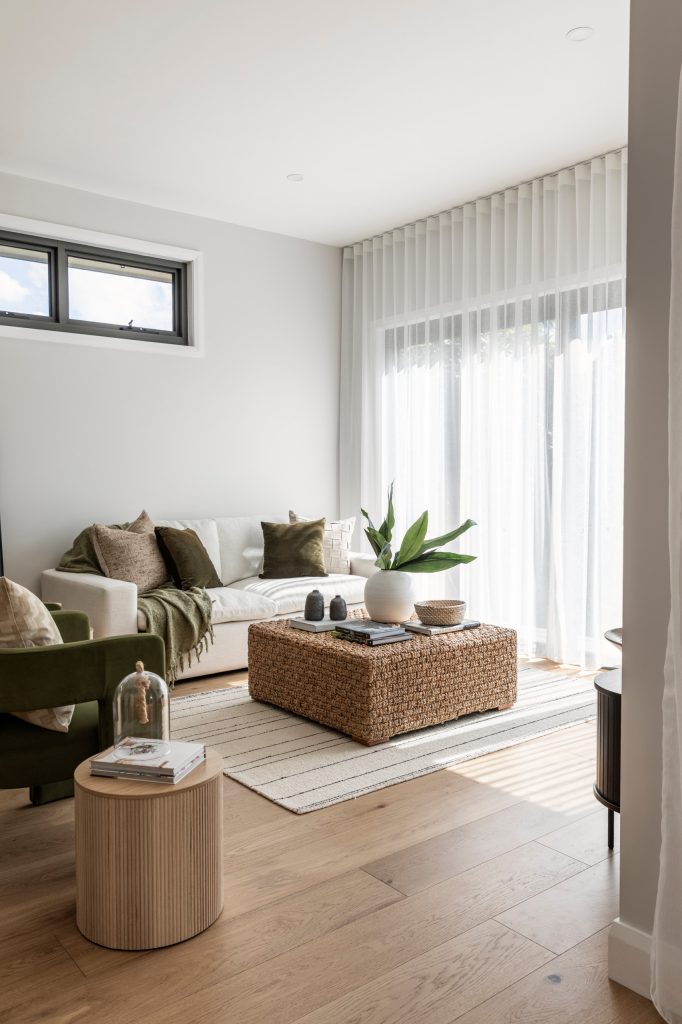
Are you looking to transform your living room into a calm, clutter-free space that feels both stylish and inviting? Decorating your living room in a minimalist style can help you create a peaceful environment where every item has a purpose.
Imagine walking into a room that instantly relaxes you, where simplicity highlights your personality without overwhelming your senses. You’ll discover easy and effective tips to design a minimalist living room that reflects your taste and makes your space feel larger and more open.
Keep reading to find out how you can achieve the perfect balance of function and beauty in your living room.
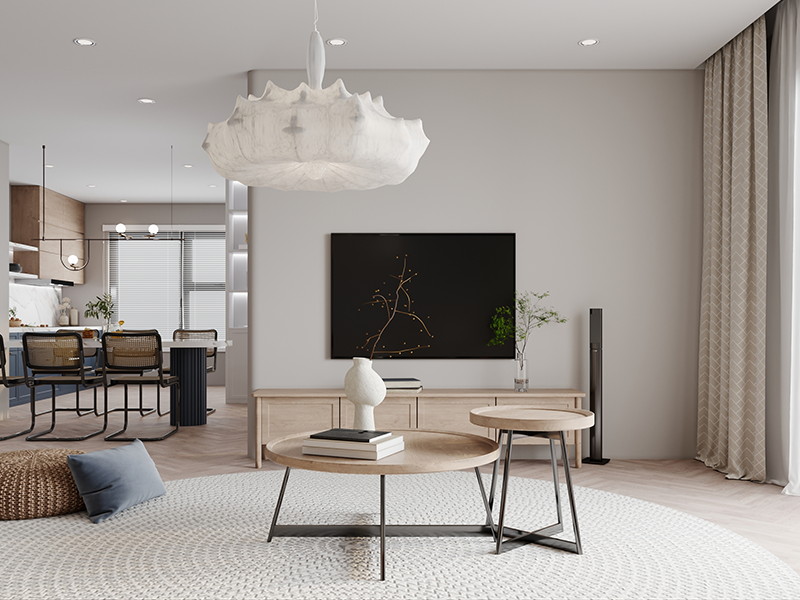
Credit: aparnaunispace.com
Key Principles Of Minimalist Living Rooms
Creating a minimalist living room is about more than just having less stuff. It’s about making intentional choices that bring calm and clarity to your space. The key principles help you focus on what truly matters and design a room that feels open, airy, and inviting.
Focus On Simplicity
Simplicity means removing distractions and unnecessary items. Ask yourself what you really need and what adds value to your daily life. A simple room doesn’t feel empty; it feels peaceful and purposeful.
Think about your favorite moments in your living room. Are they cluttered or clear? This reflection can guide you to keep only what enhances your comfort and joy.
Use Neutral Color Palettes
Neutral colors create a soothing backdrop that helps your room feel calm and spacious. Shades like white, beige, soft gray, and muted earth tones work well together.
You don’t have to avoid color entirely—just keep it subtle. A gentle contrast or a single bold accent can add personality without overwhelming the space.
Embrace Clean Lines
Furniture and decor with clean lines support a minimalist look by avoiding visual clutter. Choose pieces with simple shapes and smooth surfaces.
Sharp edges and geometric forms create a sense of order. This clarity can make your living room feel more organized and easier to maintain.
:strip_icc()/BHG_PTSN18751_preview-e0a774cbe82842f48208e5e4f3b1350a.jpg)
Credit: www.bhg.com
Choosing Essential Furniture
Choosing essential furniture is a cornerstone of minimalist living room design. The key is to create a space that feels open and uncluttered, yet functional. You want to select pieces that serve a purpose without overwhelming the room. But how do you decide what’s truly essential? Let’s dive into some practical tips that can guide your choices.
Select Functional Pieces
Every item you add should have a clear function. Consider what activities you regularly engage in your living room. Do you need a coffee table for books and drinks, or would a side table suffice? Prioritize items that enhance your daily life, rather than just fill space. Choosing a few pieces that truly matter to you will help maintain that minimalist vibe.
Opt For Low-profile Sofas
Low-profile sofas are a game-changer for a minimalist design. They offer comfort without dominating the room. Look for sleek designs that blend seamlessly with your surroundings. A friend once swapped her bulky couch for a streamlined sofa, instantly transforming her living room into a more open and inviting space. Could a low-profile sofa do the same for you?
Incorporate Multi-purpose Items
Maximize functionality with multi-purpose furniture. A storage ottoman can double as seating and provide a place to tuck away clutter. Wall-mounted shelves can display decor while holding essentials. Think creatively about how each piece can serve more than one purpose. This approach not only saves space but also enhances the minimalist aesthetic by reducing excess.
Maximizing Space And Light
Maximizing space and light transforms a minimalist living room into a bright, open area. It makes the room feel larger and more inviting. Small changes can create a big impact. Focus on simple steps to keep the space airy and bright.
Keep Clutter To A Minimum
Clutter shrinks your living room visually. Store items out of sight in cabinets or baskets. Choose furniture with hidden storage options. Keep surfaces clear for a clean look. Limit decorative items to a few essentials. Open space improves flow and ease of movement.
Enhance Natural Light
Natural light brightens the room and lifts mood. Use sheer curtains or blinds to let sunlight in. Avoid heavy drapes that block light. Arrange furniture to avoid blocking windows. Light-colored walls reflect sunlight better. Keep windows clean to allow maximum light.
Use Mirrors Strategically
Mirrors create the illusion of more space. Place a large mirror opposite a window. This reflects light and opens the room visually. Use simple frames to keep the minimalist feel. Multiple small mirrors can also work well. Position mirrors where they catch natural light best.

Credit: www.designcafe.com
Decorative Accents With Purpose
Decorative accents in a minimalist living room are not just for looks. They serve a purpose and add warmth without clutter. Each piece should enhance the space and keep the calm, clean vibe. Thoughtful accents create interest and comfort while maintaining simplicity.
Add Texture With Rugs And Throws
Textiles like rugs and throws bring softness and warmth. Choose natural materials such as wool or cotton for a cozy feel. A neutral color palette keeps the look calm and simple. Texture adds depth without overpowering the minimalist style. Layering a soft throw over a plain sofa invites relaxation.
Incorporate Minimalist Artwork
Art should be simple and meaningful. Select pieces with clean lines and limited colors. Abstract or geometric shapes work well in minimalist rooms. Avoid crowded frames or busy patterns. One or two well-placed artworks make the space feel curated and intentional.
Choose Simple Lighting Fixtures
Lighting should be functional and stylish. Pick fixtures with sleek designs and neutral tones. Pendant lights or floor lamps with clean shapes fit perfectly. Soft, warm light enhances the room’s calm atmosphere. Avoid overly ornate or complicated lighting options.
Balancing Functionality And Style
Balancing functionality and style in a minimalist living room creates a space that feels both practical and inviting. The key is to blend simple design with useful features. This approach makes the room comfortable without clutter or excess.
Choose pieces that serve a purpose but also look good. Keep the space easy to move around and visually calm. Every item should have a role, either for comfort or storage, while adding to the clean, modern look.
Create Comfortable Seating Areas
Select sofas and chairs with clean lines and soft cushions. Arrange seating to encourage conversation and relaxation. Use neutral colors and simple shapes to keep the look minimal. Add a throw pillow or blanket for a touch of warmth without clutter.
Maintain Open Floor Plans
Leave plenty of space between furniture pieces. This helps the room feel larger and more open. Avoid overcrowding with too many items. Clear pathways make the room easy to navigate and visually peaceful.
Integrate Smart Storage Solutions
Choose storage that blends into the room’s design. Use built-in shelves, hidden cabinets, or multifunctional furniture. Keep surfaces clear by storing items out of sight. This keeps the space tidy and maintains the minimalist style.
Personalizing Your Minimalist Space
Personalizing a minimalist living room helps create a warm and inviting space. It shows your style without cluttering the room. Minimalism means choosing items that matter to you and reflect your personality.
Use Plants For Natural Touch
Plants bring life and color to a minimalist room. They add freshness without overwhelming the space. Choose simple pots that match your decor. Small succulents or a tall leafy plant works well. Plants also improve air quality and create a calm mood.
Select Meaningful Accessories
Pick accessories that tell your story or have special value. A favorite book, a unique sculpture, or a photo frame can add character. Keep the number of items low to avoid clutter. Each piece should make you happy or inspire you.
Keep Decorations Intentional
Every decoration should have a purpose or meaning. Avoid random items that do not fit your style. Use neutral colors and simple shapes to maintain balance. Let each item stand out by itself. This approach keeps the room peaceful and organized.
Frequently Asked Questions
What Are Key Elements Of Minimalist Living Room Decor?
Key elements include neutral colors, simple furniture, and open space. Use clean lines, minimal accessories, and natural light to enhance simplicity and calmness in your living room.
How To Choose Colors For A Minimalist Living Room?
Opt for neutral shades like white, beige, gray, or soft pastels. These colors create a clean, spacious feel and complement minimalist furniture and decor perfectly.
Which Furniture Suits A Minimalist Living Room Best?
Choose functional, low-profile furniture with sleek designs. Avoid bulky or overly ornate pieces to maintain an uncluttered, airy environment.
How To Keep A Minimalist Living Room Organized?
Use smart storage solutions like hidden cabinets and shelves. Declutter regularly and only keep essentials to maintain a tidy, minimalist space.
Conclusion
A minimalist living room feels calm and open. Choose simple furniture with clean lines. Keep colors soft and neutral for peace. Use only a few decorations to avoid clutter. Natural light brightens the space beautifully. A tidy room helps your mind relax.
Enjoy the calm and comfort you create. Small changes make a big difference here. Your living room can be both stylish and simple. Embrace minimalism for a fresh, peaceful home.