Are you ready to turn your home office into a space that inspires productivity and comfort? Decorating your home office isn’t just about picking furniture—it’s about creating an environment that motivates you every day.
Imagine walking into a room where everything feels just right, helping you focus and feel energized. In this guide, you’ll discover simple, effective ways to transform your workspace into a place you actually want to spend time in. Keep reading, and let’s make your home office work for you.
Choosing The Right Location
Choosing the right location for your home office is key to creating a productive workspace. The spot you select influences your focus, comfort, and daily efficiency. Picking a place with good light and few interruptions can boost your work quality. Consider how the space fits your needs before setting up your desk and chair.
Maximizing Natural Light
Natural light helps reduce eye strain and lifts your mood. Place your desk near a window to catch sunlight during the day. Avoid glare on your computer screen by positioning your monitor perpendicular to windows. Use light curtains to soften harsh rays while keeping the room bright. A well-lit space feels open and inviting.
Minimizing Distractions
Pick a quiet corner away from busy areas like the kitchen or living room. Close doors to block out noise from family or roommates. Keep your workspace clear of clutter and unrelated items. Use noise-canceling headphones if external sounds are unavoidable. A calm environment helps you stay focused on tasks.
Optimizing Space Layout
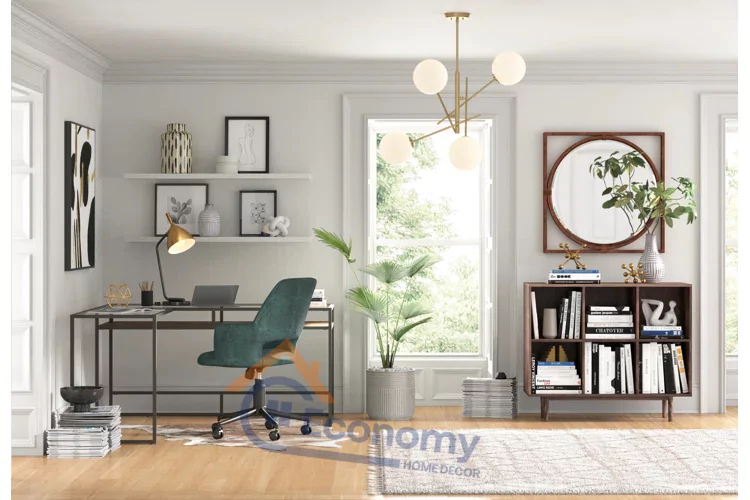
Arrange your furniture to allow easy movement and access to essentials. Keep your desk close to power outlets for charging devices. Use shelves or storage bins to organize supplies and paperwork neatly. Leave room for a comfortable chair and extra space for writing or using a second screen. A tidy, well-planned layout supports better work habits.
Credit: economyhomedecor.com
Selecting Functional Furniture
Selecting functional furniture is key to creating a home office space that boosts your productivity and comfort. The right pieces do more than fill a room—they support your work habits and keep your space organized. Think about how you use your office daily and choose furniture that makes those tasks easier.
Ergonomic Chairs And Desks
Your chair and desk are the foundation of your workspace. An ergonomic chair supports your back, reducing strain during long hours. Look for adjustable features like seat height, lumbar support, and armrests to customize comfort.
Desks should fit your workflow, whether you need space for multiple monitors or prefer a minimalist setup. Consider desks with adjustable heights so you can switch between sitting and standing. Have you tried sitting too long and felt tired? A desk that adapts to your posture can make a big difference.
Storage Solutions
Clutter kills focus. Efficient storage keeps your essentials close without crowding your desk. Shelves, filing cabinets, and drawer units help you organize papers, gadgets, and supplies.
Think vertically to save floor space. Wall-mounted shelves or pegboards can hold items you use daily while freeing up your desk. What’s the one thing you always lose at work? Setting a dedicated spot for it can save you time and frustration.
Multi-purpose Pieces
Furniture that serves more than one function maximizes your home office space. A bench with hidden storage or a desk with built-in charging ports adds convenience without extra clutter.
Choose pieces that adapt to changing needs, like foldable tables or stackable stools. These allow you to reconfigure your space easily if your work style evolves. How often do you find yourself wishing your office could do more? Multi-purpose furniture offers that flexibility.
Incorporating Color And Texture
Bright colors can boost energy, while soft textures add comfort to your workspace. Mixing hues and fabrics creates a lively, inviting office environment.
Incorporating color and texture in your home office can transform the space. It helps create an environment that is both stimulating and comforting. The right colors and textures can enhance focus and productivity while maintaining a cozy atmosphere.Colors That Boost Focus
Certain colors enhance concentration and focus. Blue is calming and helps clear the mind. Green promotes balance and reduces eye strain. Yellow adds energy and optimism, brightening the workspace. Choose a color palette that suits your work style and preferences.Using Textiles For Comfort
Textiles add warmth and comfort to your home office. Soft fabrics like cushions and throws create a cozy atmosphere. Rugs can define space and add a layer of comfort underfoot. Consider curtains for both privacy and style. Textiles also absorb sound, making the office quieter.Balancing Patterns And Solids
Mixing patterns and solids creates a visually appealing office. Use solid colors for larger items like walls or furniture. Patterns can add interest through smaller elements like cushions or artwork. Balance is key; too many patterns can overwhelm the space. Stick to a few patterns for a harmonious look.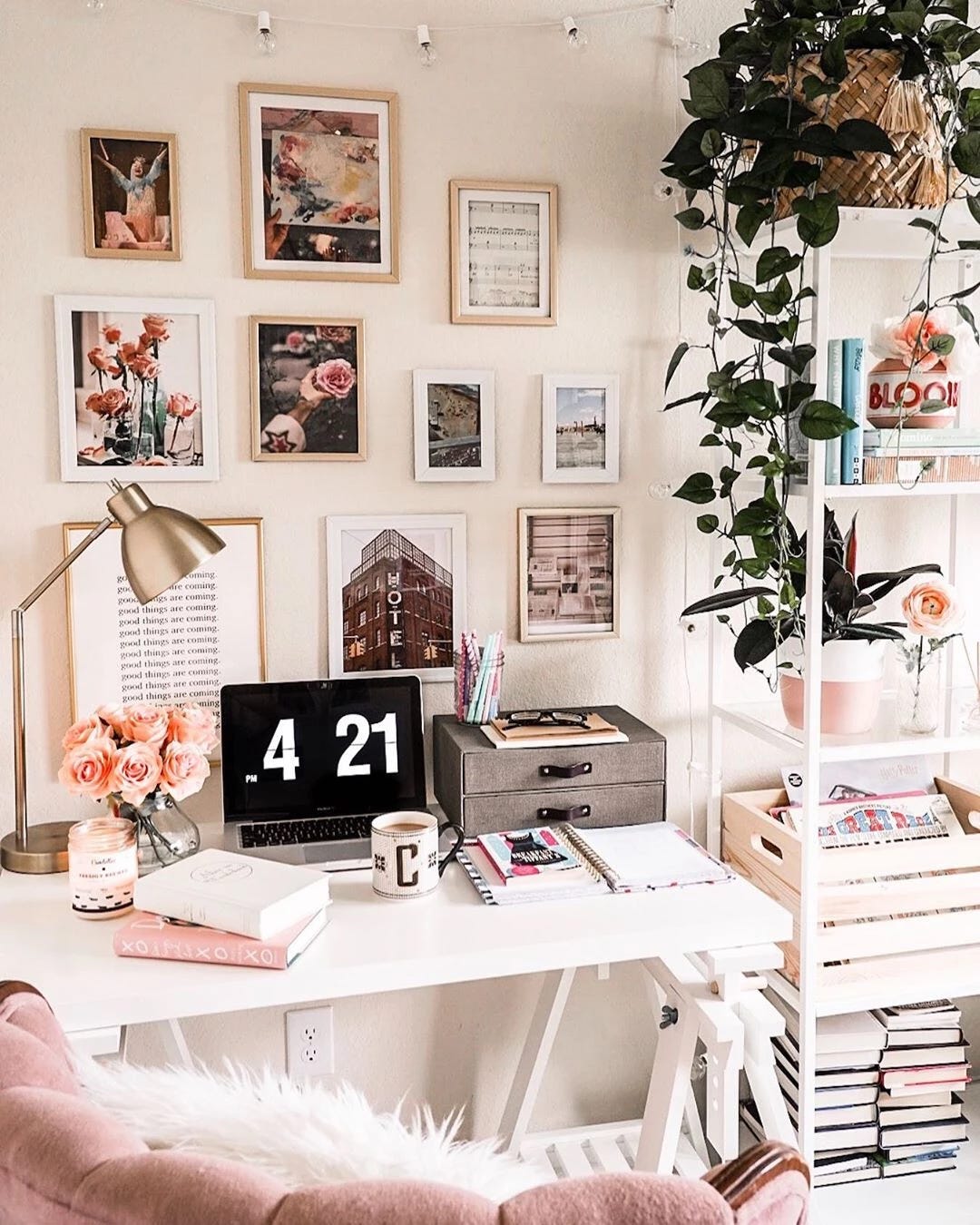
Credit: medium.com
Lighting For Productivity
Good lighting boosts focus and energy in your home office. It helps you work without feeling tired. Proper lighting reduces mistakes and improves mood. Choose lighting that fits your tasks and space well.
Task Lighting Options
Task lighting shines directly on your work area. Desk lamps are popular and easy to adjust. LED lamps save energy and last long. Choose lamps with adjustable brightness and angles. They keep your workspace bright without glare.
Ambient And Accent Lighting
Ambient lighting lights up the whole room softly. Ceiling lights or wall sconces create a warm background glow. Accent lights highlight artwork or shelves. Use dimmable lights for better control. This balance prevents shadows and bright spots.
Reducing Eye Strain
Eye strain slows you down and causes discomfort. Avoid harsh overhead lights that create glare. Position your screen to reduce reflections. Use soft white bulbs for natural light feel. Take breaks to rest your eyes regularly.
Personalizing Your Space
Making your home office truly yours goes beyond just picking a desk and chair. Personalizing your space helps boost focus and makes working more enjoyable. It’s about surrounding yourself with things that inspire and motivate you every day.
Inspiring Wall Art
Choose wall art that speaks to your personality and work style. Maybe you want motivational quotes, abstract designs, or photos from your favorite places. Art can spark creativity and keep your mindset positive during long work hours.
Think about rotating your wall art regularly to keep your environment fresh. What kind of images make you feel energized or calm? Use that to guide your choices.
Organizing Desk Accessories
Your desk should be tidy but also reflect your taste. Pick accessories that are both functional and appealing, like colorful pen holders, stylish trays, or unique paperweights. These little details make your workspace feel welcoming and help reduce clutter.
Try grouping items by color or style to create a cohesive look. How does your current desk setup support your productivity? Adjusting small things can have a big impact.
Adding Greenery
Plants add life and improve air quality, making your office feel more inviting. Even a small succulent or a hanging plant can brighten your space and reduce stress. Choose low-maintenance plants if you don’t have much time for care.
Consider how natural elements influence your mood while working. Have you noticed how a bit of green can refresh your mind during a tough task?
Tech Setup And Cable Management
Setting up the right technology and managing cables well can boost your home office’s look and function. A clean tech setup helps keep your workspace neat and your focus sharp. Organizing gadgets and wires also makes your office safer and easier to use.
Essential Gadgets
Choose gadgets that fit your work needs and space. A reliable computer or laptop is the base. Add a good quality keyboard and mouse for comfort. Consider a printer if you need hard copies often.
Other helpful gadgets include:
- Webcam for video calls
- Noise-cancelling headphones to reduce distractions
- Desk lamp with adjustable brightness
- External hard drive for extra storage
Keeping Wires Tidy
Cables often create clutter, making the space messy. Use cable clips to hold wires along desk edges. Velcro straps or zip ties keep groups of cables together.
Try these tips for cable management:
- Label cables to identify them easily
- Use a cable box to hide power strips and plugs
- Route cables under the desk or behind furniture
Optimizing Screen Placement
Place your monitor at eye level to reduce neck strain. Keep the screen about an arm’s length away. Adjust the angle to avoid glare from windows or lights.
For multiple screens, arrange them in a slight curve to see all easily. This setup improves comfort and productivity during long work hours.
Creating Zones For Different Tasks
Designing your home office with distinct zones can boost your productivity and comfort. Each area serves a unique purpose, helping you shift gears smoothly throughout the day. Think about how you move between tasks and set up your space accordingly.
Focus And Work Areas
This zone should be your main workspace, free from distractions and clutter. Choose a comfortable chair and a desk that fits your workflow. Good lighting is essential, so position your desk near a window or add a bright desk lamp.
Keep only the tools and materials you need for your core tasks here. You might use organizers or shelves to keep everything within reach but tidy. Have you tried using noise-canceling headphones or a white noise machine to sharpen your focus?
Relaxation Corners
Taking breaks is crucial, so create a small area just for unwinding. A cozy chair or a soft rug with cushions can make a perfect spot to stretch or read. Add some plants or artwork to make this corner inviting and calming.
Use this space to recharge your mind without the temptation to work. How often do you step away from your desk to refresh your energy? Even a five-minute pause here can increase your overall productivity.
Meeting Or Call Spots
Set aside a quiet, well-lit area specifically for video calls or meetings. Use a simple backdrop and good lighting to look professional. Having a dedicated spot reduces interruptions and helps you stay focused during conversations.
Consider a small table or a standing desk setup if you prefer moving during calls. Do you find that separating your meeting space helps keep work and personal life balanced?
Maintaining Cleanliness And Organization
Keeping your home office clean and organized can transform your work experience. A clutter-free space not only boosts your focus but also reduces stress and saves time searching for things. You might think it’s hard to maintain order daily, but simple habits and smart tools can make a big difference.
Daily Tidying Habits
Spend five minutes at the end of each workday to clear your desk. Put away loose papers, wipe down surfaces, and arrange your tools neatly. This small routine keeps clutter from piling up and gives you a fresh start the next morning.
Ask yourself: what tasks create the most mess during your day? Target those areas first for quick cleanup. You’ll find that daily tidying becomes easier and less overwhelming over time.
Decluttering Strategies
Regularly sort through your office items and remove what you no longer need. Keep only what supports your daily work and sparks motivation. If you find items you rarely use, consider donating or storing them elsewhere.
Try a “one-in, one-out” rule—when you add new supplies, remove something old. This helps maintain balance and prevents accumulation. Have you noticed how a few less distractions can improve your workflow?
Using Labels And Containers
Organize your office supplies with clear containers and labels. Use drawer dividers, baskets, or boxes to keep similar items together. Labeling helps you quickly locate what you need without creating a mess.
Think about the categories you use most—pens, cables, documents—and assign containers accordingly. This system saves time and keeps your desk visually clean. How much easier would your workday be if everything had its own place?

Credit: www.instagram.com
Frequently Asked Questions
How Can I Make My Home Office More Productive?
Create a clutter-free space with essential tools only. Use ergonomic furniture to improve comfort. Add natural light to boost mood and focus. Personalize with inspiring decor to stay motivated.
What Colors Are Best For A Home Office?
Use calming colors like blue or green for focus. Bright shades like yellow can boost creativity. Neutral tones create a clean, professional environment. Choose colors that suit your work style and mood.
How Do I Organize My Home Office Efficiently?
Use shelves and drawers to store supplies neatly. Label containers for easy access. Keep your desk clear of unnecessary items. Implement a filing system for important documents to stay organized.
What Lighting Works Best In A Home Office?
Natural light is ideal to reduce eye strain. Combine with adjustable task lighting for focused work. Avoid harsh overhead lights that cause glare. Use warm light bulbs for a comfortable atmosphere.
Conclusion
Creating a home office that fits your needs boosts focus and comfort. Choose colors and furniture that make you feel calm and productive. Keep your space tidy and add personal touches to inspire creativity. Small changes can make a big difference in your workday mood.
Start with one idea and build your perfect workspace step by step. Your home office can become a place you enjoy every day.