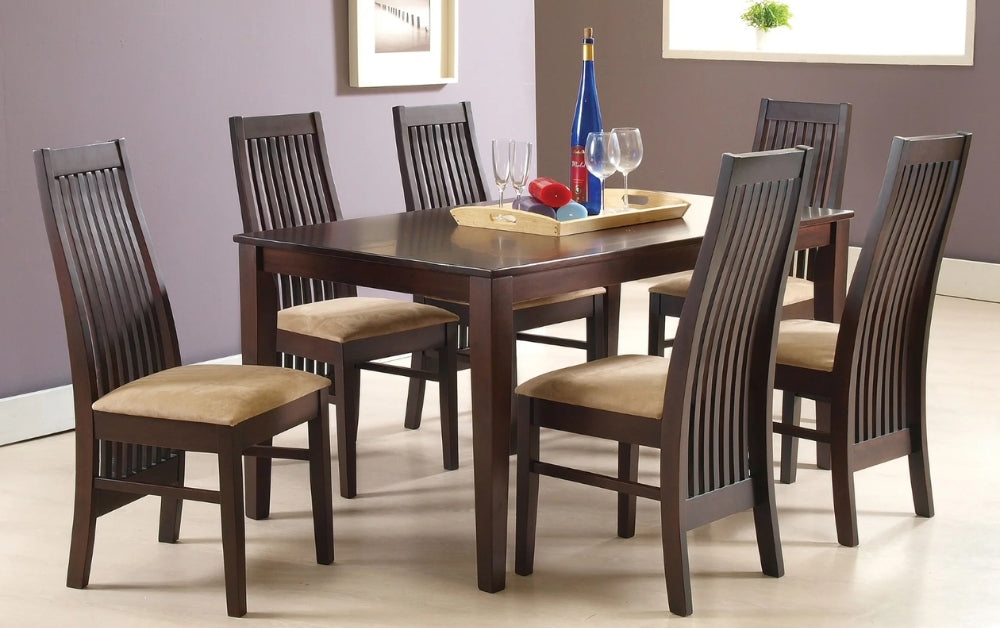
Choosing the right kitchen table can completely transform your space. It’s not just about finding a place to eat—it’s about creating a spot that feels just right with your style and decor.
If you’ve ever felt stuck wondering how to make your kitchen table fit perfectly with your room, you’re not alone. You’ll discover simple and effective ways to match your kitchen table with your decor, making your kitchen a place you’ll love to spend time in every day.
Keep reading, and you’ll learn how to bring harmony, comfort, and personality to the heart of your home.
Choosing The Right Style
Choosing the right style for your kitchen table sets the tone for the entire room. It creates harmony and brings your decor together. The style should reflect your personality and fit your space.
Consider the overall look of your kitchen. The table should blend smoothly with your existing furniture and colors. Think about the mood you want to create, whether calm, cozy, or lively.
Modern And Minimalist Tables
Modern tables focus on clean lines and simple shapes. They often use materials like glass, metal, or light wood. These tables suit kitchens with sleek cabinets and neutral tones.
Minimalist tables avoid extra details. Their design is straightforward and practical. They fit well in small spaces and open-concept kitchens.
Rustic And Farmhouse Options
Rustic tables bring warmth and charm to the kitchen. They usually feature natural wood with a distressed finish. Farmhouse tables often have sturdy legs and a large surface.
These styles work great in cozy, country-inspired kitchens. They pair well with vintage decor and soft, natural colors.
Classic And Traditional Designs
Traditional tables offer timeless beauty and elegance. They often have rich wood tones and detailed carvings. These tables create a formal and inviting atmosphere.
Choose classic designs to match antique or ornate kitchen furniture. They bring a sense of history and comfort.
Eclectic And Bohemian Looks
Eclectic tables mix different styles and colors freely. Bohemian tables often use vibrant paints and unique patterns. They add personality and creativity to your kitchen.
This style fits well in casual, artsy spaces. It allows for personal expression and unexpected combinations.

Credit: www.instagram.com
Picking The Perfect Material
Choosing the right material for your kitchen table can set the tone for your entire space. Whether you’re aiming for a rustic charm or a sleek modern look, the material you select plays a pivotal role. Your kitchen table can be a statement piece, so let’s dive into some popular choices and see how they can complement your decor.
Wood Types And Finishes
Wood is a timeless choice, offering warmth and a natural feel. Different wood types can dramatically change the vibe of your kitchen. Oak and maple bring durability and a classic look, while cherry offers a rich, elegant tone. Consider the finish too; a distressed finish might give your space a cozy, lived-in feel, while a glossy finish can add a touch of modernity.
Ask yourself: does the wood grain align with your current decor? Imagine how the wood’s color will interact with your cabinetry and flooring. A mismatched tone can disrupt the flow of your space.
Metal And Glass Choices
For a contemporary or industrial look, metal and glass materials are excellent picks. Metal tables can be sleek and stylish, often paired with minimalist designs. Glass, on the other hand, introduces lightness and can make a small kitchen feel more spacious.
Think about the maintenance involved; glass requires frequent cleaning to maintain its pristine look, while metal might need occasional polishing. Are you ready for the upkeep these materials demand?
Mixed Material Tables
If you’re torn between options, mixed material tables could be your solution. Combining materials like wood and metal can create a unique and eye-catching centerpiece. A wooden top with metal legs can offer both warmth and modernity, blending styles seamlessly.
Consider how these combinations can tie together disparate elements in your kitchen. Do you have metal fixtures or wooden accents? A mixed material table might be the perfect bridge between them.
Balancing Colors And Textures
Balancing colors and textures in your kitchen creates a space that feels both inviting and stylish. The right combination can highlight your kitchen table as a focal point while making the entire room feel cohesive. Think about how colors and textures interact and how they influence the mood of your kitchen.
Matching With Wall And Cabinet Colors
Look at the colors of your walls and cabinets first. If your kitchen has light-colored walls, a darker kitchen table can add contrast and make the space more dynamic. On the other hand, a table in similar shades can create a calming, unified look.
Consider the undertones in your walls and cabinets. Warm tones like beige or soft yellows pair well with wooden tables in warm finishes like oak or cherry. Cooler shades like gray or blue work better with tables in cooler tones such as walnut or painted finishes.
Ask yourself: Do you want your table to blend in or stand out? This decision will guide your color choices and help you create balance.
Using Texture To Add Depth
Texture brings life to your kitchen beyond just color. A smooth, polished table contrasts beautifully with rougher elements like brick walls or matte-finished cabinets.
Try mixing materials like a wooden table with metal chairs or a glass tabletop with a rustic base. These combinations add visual interest and prevent the space from feeling flat.
Think about touch, too. A textured table surface invites you to interact with the space, making your kitchen feel more personal and cozy.
Accent Pieces And Accessories
Use accessories to tie your table into the room’s color and texture scheme. A centerpiece vase, patterned table runner, or colorful placemats can bridge gaps between different elements.
Don’t be afraid to experiment with fabrics and finishes. Linen or cotton runners soften the look, while metal or ceramic accessories add a sleek contrast.
What small details in your kitchen could you highlight with these accents? Sometimes, these finishing touches make all the difference in achieving balance.
:strip_icc():format(webp)/dining-room-table-decor-ideas-2-reagen-taylor-63dadb74874d4cc5b55f9d859ec4c277.jpg)
Credit: souniquehome.com
Sizing And Placement Tips
Choosing the right size and placement for your kitchen table can completely change how your space feels and functions. Too big, and the room feels cramped; too small, and it might look lost. Let’s look at how you can find the perfect fit and spot for your table to make your kitchen both inviting and practical.
Measuring Your Space
Start by measuring the entire area where you want the table. Include the width, length, and any obstacles like doors, cabinets, or appliances.
Leave at least 36 inches of clearance around the table for easy movement. This space helps you pull out chairs comfortably and walk by without bumping into things.
Consider how many people usually sit at your table. If you entertain often, you might want a slightly larger size or an extendable table.
Optimal Table Shapes For Different Rooms
Square tables work well in small, square kitchens because they fit the shape naturally. They encourage close conversation but can feel tight if the room is too narrow.
Rectangular tables are great for longer kitchens or open-plan spaces. They can seat more people without crowding and often provide a clear path around them.
Round tables are ideal if you want to soften the room’s look and encourage an intimate feel. They fit nicely in smaller or oddly shaped spaces where sharp corners might get in the way.
Arranging Chairs And Decor
Don’t just think about the table—how you arrange chairs affects flow and comfort. Chairs should be spaced roughly 24 inches apart to give everyone enough elbow room.
Add a rug under the table to anchor the space, but make sure it’s big enough for chairs to move without catching on the edges.
Decorate the table with simple centerpieces that don’t block views or take up too much room. A bowl of fresh fruit or a small vase keeps it fresh and functional.
Lighting And Ambiance
Lighting plays a crucial role in setting the mood and enhancing the look of your kitchen table within your overall decor. It affects how colors appear, how comfortable the space feels, and even how inviting your kitchen becomes for gatherings. Paying attention to lighting and ambiance helps you create a cohesive and enjoyable environment around your kitchen table.
Choosing Complementary Lighting Fixtures
Your choice of lighting fixtures can either highlight your kitchen table or clash with it. Think about the style of your table—is it rustic, modern, or classic? Matching lighting fixtures to this style will bring harmony to the space.
For a wooden farmhouse table, consider pendant lights with warm, soft bulbs and metal or woven shades. Sleek glass or metal fixtures suit a glass or metal table better, adding a clean, contemporary feel.
Don’t forget the size and height of the fixture. A large, low-hanging chandelier might overwhelm a small table, while tiny recessed lights may not provide enough focus. Measure your space and imagine how the light will fall on your table surface.
Creating Cozy Or Airy Atmospheres
The type of lighting you choose can instantly change the atmosphere around your kitchen table. Want a cozy spot for family dinners? Opt for warm, dimmable lights that create intimacy and softness.
Use lampshades or bulbs with warm color temperatures (2700K–3000K) to add a golden glow. Try layering light sources such as candles or string lights to deepen the cozy effect.
If your goal is an airy, bright space for casual meals or work, go for cooler white lights (3500K–4000K) with higher brightness. Natural light is your best friend here—position your table near windows or use light curtains to keep the space feeling open.
Have you experimented with adjustable lighting? It lets you switch from bright to soft, matching the mood or time of day perfectly. This flexibility makes your kitchen table not just a place to eat, but a spot to relax, work, or entertain effortlessly.
Maintenance And Longevity
Choosing the right kitchen table is just the start. To keep it looking great and lasting for years, you need to pay attention to maintenance and longevity. The way you care for your table depends heavily on the material it’s made of and how well you protect it from daily wear and tear.
Caring For Different Materials
Each kitchen table material calls for a specific care routine. Wood tables, for instance, need regular cleaning with a damp cloth and occasional polishing to maintain their shine.
Glass tables require gentle cleaning with non-abrasive cleaners to avoid scratches. Avoid placing hot pots directly on glass surfaces to prevent cracking.
Metal tables benefit from wiping with a mild soap solution and drying immediately to stop rust. If you notice rust spots, treat them quickly with a metal polish or rust remover.
Do you know the best way to keep your marble table stain-free? Use coasters and wipe spills immediately since marble is porous and can absorb liquids easily.
Protecting Your Table From Damage
Prevention is key to extending your kitchen table’s life. Adding a tablecloth or placemats can shield the surface from scratches and heat damage.
Using felt pads under heavy objects or when moving the table can prevent dents and scuffs. Avoid dragging chairs or other items across the table’s surface.
Think about where your table sits. Direct sunlight can fade finishes and weaken some materials. If your kitchen gets a lot of sun, consider UV-protective window treatments.
Regularly inspect your table for loose screws or joints, especially on wooden or metal frames. Tightening them promptly stops wobbling and potential breakage.

Credit: www.tiktok.com
Frequently Asked Questions
How Do I Choose A Kitchen Table Style?
Pick a table style that complements your existing decor. Match materials, colors, and design themes for a cohesive look.
What Size Kitchen Table Fits My Space?
Measure your kitchen area first. Allow enough room for chairs and movement around the table comfortably.
Can I Mix Modern And Traditional Kitchen Decor?
Yes, blending styles adds character. Use a kitchen table that bridges both modern and traditional elements.
Which Materials Suit Different Kitchen Decor Styles?
Wood works well for rustic and classic kitchens. Glass and metal fit modern or minimalist designs.
Conclusion
Choosing the right kitchen table can really change your room’s feel. Think about your style and colors first. Match materials and shapes with your current decor. Remember, balance makes the space look nice and cozy. A well-chosen table invites friends and family to gather.
Small details like chair design or table finish matter too. Take your time to pick what fits best. Your kitchen will feel more welcoming and complete. Simple steps lead to a beautiful, harmonious space. Enjoy creating a kitchen that feels just right.