
Are you ready to transform your living room into a space that truly feels like home? Decorating a living room can seem overwhelming, but what if you had a simple program guiding you step-by-step?
Imagine having a clear plan that helps you choose colors, arrange furniture, and add personal touches—all without stress or guesswork. This program is designed just for you, making the decorating process easy and even fun. Keep reading, and discover how you can create the living room you’ve always wanted, one smart decision at a time.
Choosing A Theme
Choosing a theme is the first step to decorating a living room. It sets the mood and style for the entire space. A clear theme helps select colors, furniture, and decorations. It also creates a balanced and inviting atmosphere. Below are popular themes to inspire your living room design.
Modern Minimalism
Modern minimalism focuses on simplicity and clean lines. Furniture has sleek shapes and neutral colors. Spaces are open and clutter-free. Use simple decor to keep the room calm and airy. Light colors like white, gray, and beige work well here. Natural light enhances the minimalist look.
Cozy Rustic
Cozy rustic brings warmth and charm to a living room. Use natural materials like wood and stone. Earthy tones such as browns, greens, and tans create comfort. Soft textiles like wool or linen add a cozy feel. Vintage or handmade items fit perfectly. This theme invites relaxation and homeliness.
Elegant Classic
Elegant classic style uses timeless furniture and rich textures. Colors include deep blues, golds, and creams. Use ornate details like carved wood and velvet fabrics. Symmetry and balance are key in this theme. Chandeliers or antique lamps add sophistication. This style feels luxurious and refined.
Bohemian Vibes
Bohemian vibes are colorful and free-spirited. Mix patterns, textures, and bright hues like reds and purples. Use eclectic furniture and accessories from different cultures. Plants and handmade art bring life and personality. This theme encourages creativity and comfort. Perfect for a lively, relaxed space.
Selecting A Color Palette
Choosing the right color palette sets the mood for your living room. Soft, warm tones create comfort, while bright colors add energy. A decorating program helps visualize different combinations easily.
Selecting a Color Palette Choosing the right color palette transforms a living room. It sets the mood and style for the space. Colors can make a room feel cozy, vibrant, or serene. Here’s how different palettes can enhance your living room.Neutral Tones
Neutral tones create a calming atmosphere. They are versatile and timeless. Soft whites, greys, and beiges blend well with any decor. These colors make a room feel spacious. They provide a perfect backdrop for colorful accents.Bold And Bright
Bold and bright colors add energy to a space. Vibrant reds, blues, and yellows catch the eye. These hues make a statement. They work well in modern or eclectic designs. Balance them with neutral furniture for harmony.Pastel Shades
Pastel shades offer a soft, gentle vibe. Light pinks, blues, and greens create a soothing space. They are ideal for a relaxing environment. Pair with white or cream furniture for a fresh look. Pastels are great for small rooms.Monochrome Schemes
Monochrome schemes are chic and sophisticated. Use different shades of one color for depth. Black, grey, and white create a sleek appearance. They add elegance to any living room. Use textures to avoid a flat look.Furniture Essentials
Choosing the right furniture sets the tone for your living room. It balances comfort and style while making the space functional. Focus on essential pieces that suit your lifestyle and room size. Each item should invite relaxation and offer practical use. The right furniture creates a welcoming space for guests and family.
Sofa Styles
Select a sofa that fits your room and daily needs. Sectional sofas work well for large families and open spaces. A loveseat suits smaller rooms or cozy corners. Consider fabric durability and color to match your decor. Simple designs often blend easily with various styles.
Coffee Tables
A coffee table anchors the seating area and provides surface space. Choose a size that fits comfortably in front of the sofa. Materials like wood or glass add character and suit different styles. Tables with shelves or drawers offer extra storage for remotes and magazines.
Storage Solutions
Storage keeps your living room tidy and organized. Use shelves and cabinets to display books and decor. Multi-functional furniture, such as ottomans with storage, saves space. Keep clutter out of sight but within easy reach. Consider vertical storage to maximize floor space.
Accent Chairs
Accent chairs add color and personality to your living room. They offer extra seating and a design statement. Pick chairs with comfortable cushions and sturdy frames. Mix patterns or textures to create visual interest. Place them near sofas or windows for a cozy spot.
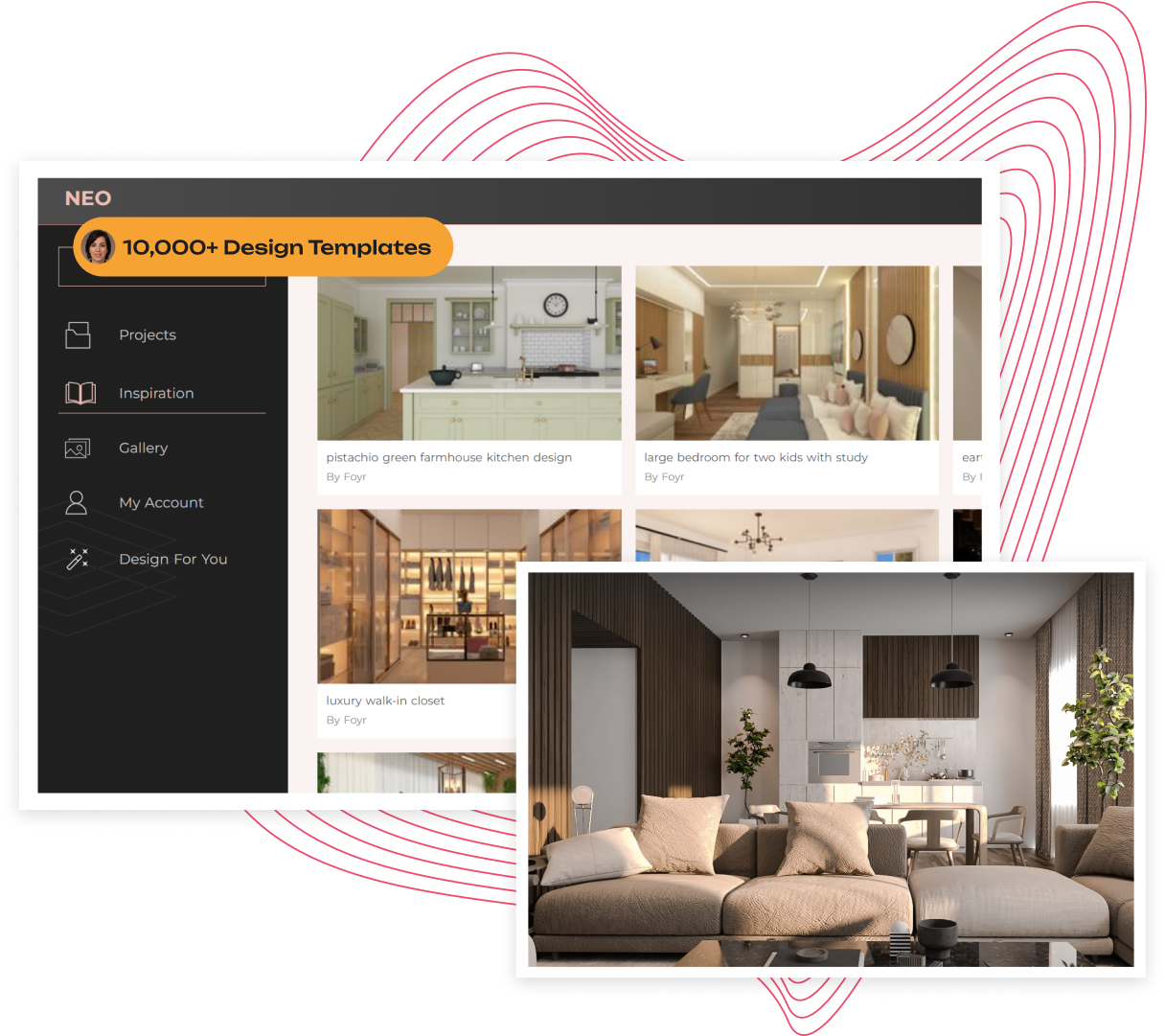
Credit: foyr.com
Lighting Options
Lighting can change the entire mood of your living room. It’s not just about bright or dim; it’s about creating layers of light that serve different purposes. Choosing the right lighting options makes your space more inviting and functional.
Ambient Lighting
Ambient lighting sets the overall glow of the room. It fills the space evenly and creates a comfortable level of brightness. Think of ceiling fixtures, chandeliers, or large lamps that provide a soft, warm light.
If your living room feels too harsh or too dark, adjust the ambient lighting first. You might add a dimmer switch to control brightness throughout the day. Have you noticed how a well-lit room instantly feels more welcoming?
Task Lighting
Task lighting focuses on specific areas where you need more light for activities. Reading lamps, desk lights, or under-cabinet lights are perfect examples. This type of lighting helps reduce eye strain and improves focus.
Place task lights near your favorite reading chair or beside your sofa where you work or craft. Adjustable lamps work best because you can direct light exactly where it’s needed. How often do you find yourself squinting to read or work in your living room?
Accent Lighting
Accent lighting highlights particular features in your living room, like artwork, plants, or architectural details. Spotlights, wall sconces, or LED strips can add depth and interest to your space. This type of lighting creates visual drama and draws attention.
Use accent lighting to showcase a favorite painting or a unique wall texture. It’s a simple way to add personality without overwhelming the room. What special elements in your living room deserve to stand out?
Natural Light Enhancement
Maximizing natural light can make your living room feel larger and more cheerful. Use sheer curtains, light-colored walls, and strategically placed mirrors to reflect sunlight. Avoid heavy drapes that block daylight.
Consider how your furniture arrangement affects the flow of natural light. Sometimes, just moving a chair or table can brighten a corner instantly. How can you change your layout to welcome more sunshine into your room?
Decorative Accessories
Decorative accessories bring life and personality to any living room. They create a cozy and inviting atmosphere. These small details can change the room’s look without a full makeover. Choosing the right accessories helps to express your style and complement your furniture. Each item plays a role in making the space feel complete and comfortable.
Rugs And Carpets
Rugs and carpets add warmth and texture to the floor. They define different areas within the living room. Soft rugs make the space feel inviting and comfortable. Choose colors and patterns that match your furniture style. Layering rugs can create a stylish and unique look. These pieces protect your floors while enhancing the room’s design.
Wall Art
Wall art is a great way to add color and character. Paintings, prints, or photographs make walls come alive. Choose pieces that reflect your personality or interests. Large art can act as a focal point, drawing attention. Small collections create a gallery feel and add charm. Mix different frames and sizes for visual interest.
Throw Pillows And Blankets
Throw pillows and blankets add comfort and style to sofas and chairs. They bring pops of color and soft textures. Use different shapes and sizes for variety. Blankets offer warmth and create a cozy vibe. Changing these accessories with seasons refreshes the living room look. They also invite guests to relax and stay longer.
Plants And Greenery
Plants bring freshness and natural beauty indoors. They improve air quality and add a calming vibe. Choose low-maintenance plants if you have a busy lifestyle. Use pots that fit your room’s style, from modern to rustic. Group plants of different heights for an attractive display. Greenery connects the indoors with nature and brightens the space.

Credit: apps.apple.com
Layout And Space Planning
Layout and space planning form the backbone of a well-decorated living room. Without a clear plan, even the most beautiful furniture and decor can feel cramped or awkward. Thoughtful arrangement lets you create a comfortable, functional space that suits your lifestyle and makes the most of your room’s dimensions.
Traffic Flow
Good traffic flow means people can move around your living room easily without bumping into furniture. Think about how you and your guests naturally walk through the space. Leave at least 30 to 36 inches of pathway between pieces to avoid crowding.
Try standing in your room and imagining different routes you might take. Does anything block your way? Rearranging furniture to open up pathways can instantly make your living room feel more inviting.
Focal Points
Every living room needs a focal point to anchor the design. It could be a fireplace, a large window with a view, or a TV. Position your seating so it faces or complements this feature.
If your room lacks an obvious focal point, create one by hanging artwork or using a bold rug. This draws attention and gives your layout a natural flow.
Zoning Areas
Breaking your living room into zones makes it more functional, especially in open-plan homes. Use rugs, furniture placement, or lighting to define areas for conversation, reading, or TV watching.
For example, placing a sofa and chairs around a coffee table creates a cozy chat zone. Meanwhile, a corner with a comfy chair and a lamp can become a quiet reading nook.
Maximizing Small Spaces
Small living rooms need smart layouts to avoid feeling cluttered. Choose multi-functional furniture like ottomans with storage or fold-out tables. Arrange pieces to keep the center open and create a sense of spaciousness.
Mirrors can reflect light and make the room appear larger. Also, try vertical storage options such as shelves or tall bookcases to free up floor space. How can you rethink your furniture’s purpose to gain more room?
Incorporating Technology
Incorporating technology in your living room adds comfort and style. It makes daily life easier and more enjoyable. Modern tech blends seamlessly with your décor, enhancing the room’s function and look.
Smart Lighting
Smart lighting offers control over brightness and color. Use apps or voice commands to change settings. Create moods for relaxing, reading, or entertaining. Energy-efficient bulbs save money and last longer.
Entertainment Systems
Modern entertainment systems bring movies and music to life. Choose sleek designs that fit your space well. Wireless speakers and streaming devices reduce clutter. Setup is simple and user-friendly for all ages.
Hidden Wiring
Hide wires to keep the room neat and safe. Use cable covers, channels, or in-wall solutions. This prevents trips and protects cables from damage. Clean wiring enhances the room’s overall look.
Smart Home Integration
Smart home systems connect lighting, sound, and security. Control devices through one app or voice assistant. This integration simplifies daily tasks and increases convenience. It also improves energy management and home safety.
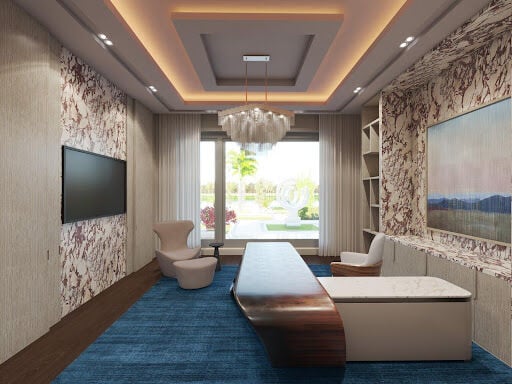
Credit: www.finehomesandliving.com
Frequently Asked Questions
What Are The First Steps In Decorating A Living Room?
Start by assessing your space and deciding on a style. Choose a color palette and select key furniture pieces. Plan the layout for functionality and flow before adding accessories.
How To Choose The Right Color Scheme For Living Room?
Pick colors that reflect your mood and complement existing elements. Use a base color, accent tones, and neutrals to create balance. Test samples in natural light before finalizing.
What Furniture Is Essential For A Cozy Living Room?
Include a comfortable sofa, coffee table, and adequate seating. Add storage like shelves or cabinets for organization. Ensure furniture size fits the room without overcrowding.
How Can Lighting Improve Living Room Decor?
Use layered lighting: ambient, task, and accent lights. Choose fixtures that match your style and enhance functionality. Proper lighting creates warmth and highlights key features.
Conclusion
Decorating a living room can be simple with the right program. It helps you choose colors, furniture, and decorations easily. You see your ideas come to life on the screen. This saves time and avoids costly mistakes. Everyone can create a cozy and stylish space.
Try the program and enjoy designing your perfect living room. Small changes make a big difference. Your dream room is just a few clicks away.