Are you struggling to make your combined living and dining room look stylish and cozy? You’re not alone.
Blending two important spaces into one can feel tricky, but with the right ideas, you can create a room that feels both functional and inviting. Imagine a space where you can relax, entertain, and enjoy meals without any clutter or confusion.
Keep reading, and you’ll discover simple, effective tips to transform your combined room into a beautiful, balanced area that truly reflects your style and needs.
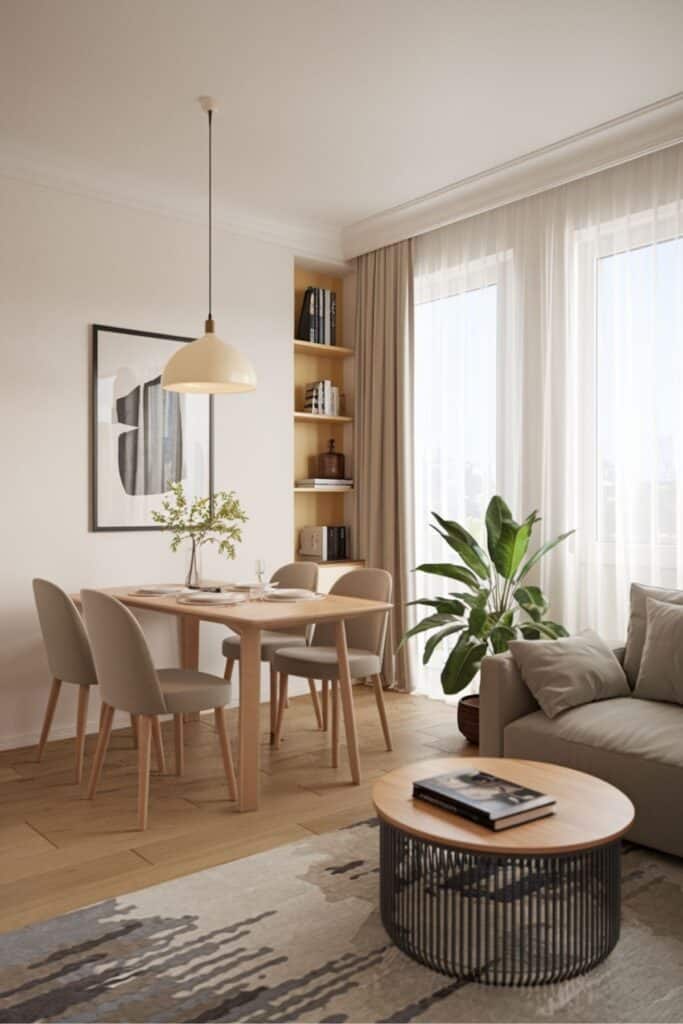
Credit: abloomdecor.com
Maximize Space
Maximizing space in a combined living and dining room makes the area feel open and comfortable. It helps keep the room neat and functional. Smart choices in furniture and layout can save space and improve flow.
Small rooms benefit from clever storage and clear zones. This way, each area has its own purpose without clutter. Focus on pieces that serve more than one role and use vertical space effectively.
Choose Multi-functional Furniture
Select furniture that does double duty. A sofa bed or ottoman with storage keeps things tidy. Dining tables with extendable leaves provide space for guests without crowding.
Look for chairs that can stack or fold away easily. A coffee table with shelves or drawers holds books and remote controls. Multi-functional furniture saves floor space and reduces clutter.
Use Vertical Storage
Walls offer valuable storage opportunities. Install shelves high on the walls to store books, decor, or dinnerware. Tall cabinets use vertical space without taking up much floor area.
Hooks and pegboards keep items off tables and floors. Use floating shelves to display plants or photos. Vertical storage keeps essentials handy and frees up room.
Create Clear Zones
Define the living and dining areas with rugs or lighting. This separates the spaces without walls or bulky furniture. Place furniture to guide movement and avoid blocking pathways.
Use different colors or textures to mark each zone. Keep dining chairs close to the table, and arrange seating in the living area for easy conversation. Clear zones help the room feel organized and spacious.
Select A Cohesive Color Palette
Choose colors that flow well together to create harmony between the living and dining areas. A unified palette helps blend spaces and makes the room feel larger and more inviting. Select two or three main colors and use them throughout both zones.
Decorating a combined living and dining room can be a delightful challenge, especially when it comes to choosing the right color palette. Selecting a cohesive color scheme is key to ensuring harmony and flow between the two spaces. Colors have the power to influence mood and set the tone for gatherings. Whether you’re aiming for a calm retreat or a vibrant hub, the palette you choose will guide every other design decision. Let’s dive into how to pick the perfect colors for your space.Pick Complementary Shades
Choosing complementary shades is a great starting point. These colors, positioned opposite each other on the color wheel, naturally enhance each other. If your living area is dominated by a cool blue, consider adding a touch of warm orange in the dining space. Complementary colors provide a dynamic contrast that adds energy without overwhelming the senses.Incorporate Accent Colors
Accent colors breathe life into your design. They are the bold splashes that catch the eye and create focal points. Consider using cushions, artwork, or a rug to introduce these hues. A vivid yellow pillow or a rich burgundy vase can transform a neutral room into a lively space. Don’t be afraid to experiment with unexpected choices. Sometimes the most striking accents come from colors you wouldn’t initially consider. What small detail can you add to make your room pop?Balance Light And Dark Tones
Balancing light and dark tones is crucial for creating depth and interest. Light colors can make a room feel larger and more open, while dark tones add warmth and intimacy. If your dining room is bathed in light, try introducing darker elements like a navy table runner or charcoal curtains in the living area. A mix of light and dark tones can prevent your space from feeling too flat or overly busy. Think about how you can use colors to create a cozy nook or a bright, airy area. How do you want your guests to feel when they step into your combined living and dining room?Define Areas With Rugs
Rugs play a key role in separating living and dining spaces within one room. They create visual borders that help the eye understand where one area ends and another begins. Rugs add warmth, color, and texture, making the room feel cozy and balanced. Choosing the right rug style and placement can define each area clearly without the need for walls or dividers.
Choose Rug Sizes Wisely
Select rugs that fit the space and furniture layout. In the living area, a larger rug works best under sofas and chairs. It should extend beyond the furniture edges for a unified look. For dining areas, pick a rug big enough to hold the table and chairs, even when chairs are pulled out. Small rugs can make areas feel disconnected or cramped.
Match Rugs To Furniture
Coordinate rug shapes and styles with the furniture design. Rectangular rugs suit rectangular tables and sofas. Round rugs pair well with round tables or seating groups. Consider the color palette of furniture and choose rugs that complement or contrast nicely. This harmony boosts the room’s flow and visual appeal.
Layer Rugs For Texture
Layering rugs adds depth and interest to the combined space. Place a smaller, patterned rug over a large neutral one for texture. Mixing materials like wool with natural fibers creates a tactile feel underfoot. Layering helps highlight zones and makes the room feel dynamic and inviting.
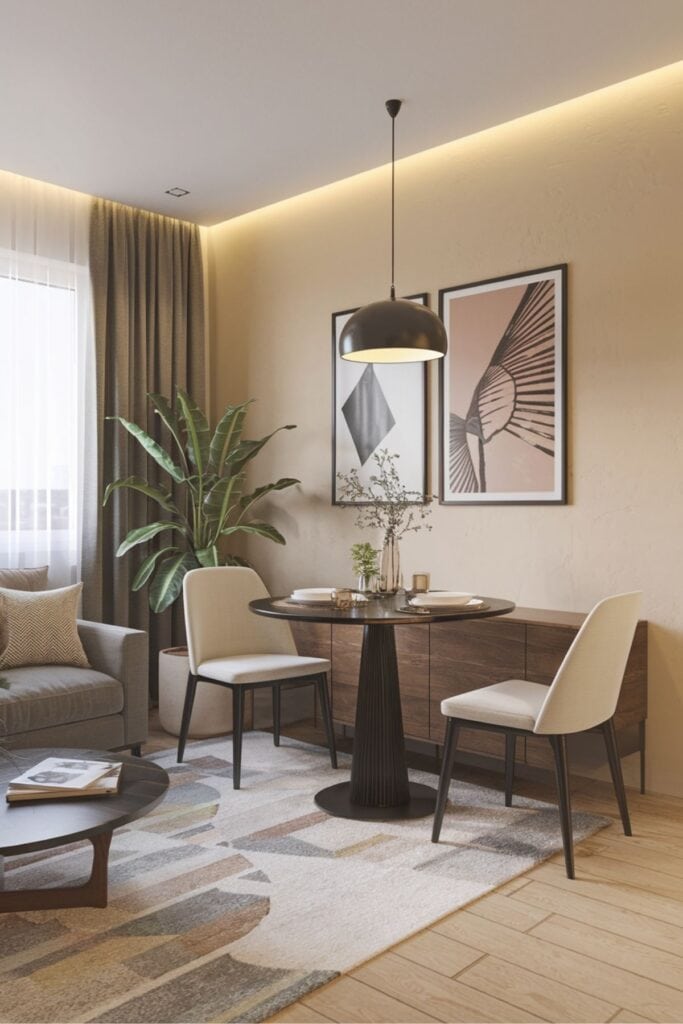
Credit: abloomdecor.com
Optimize Lighting
Good lighting creates a warm and inviting space in a combined living and dining room. It helps set the mood and makes the room feel larger and more comfortable. Planning different types of lighting improves both style and function.
Combine Ambient And Task Lighting
Ambient lighting provides overall brightness for the entire room. Use ceiling lights, recessed lights, or wall sconces for this base layer. Task lighting focuses on specific areas like the dining table or reading corners. Table lamps, pendant lights, and floor lamps work well here. Mixing these two types helps balance light and shadow effectively.
Use Statement Fixtures
Choose lighting fixtures that catch the eye and add character. A bold chandelier or a modern pendant light can become a focal point. These fixtures bring personality to the space and tie the living and dining areas together. Select styles that match the room’s decor and scale.
Add Dimmer Controls
Dimmer switches let you adjust light levels easily. Lower light creates a cozy atmosphere for dinners or relaxing evenings. Brighter light suits activities like reading or socializing. Installing dimmers gives control over mood and functionality without extra lamps or bulbs.
Arrange Furniture Strategically
Arranging furniture strategically in a combined living and dining room is key to making the space both functional and inviting. The right layout can highlight each area’s purpose while keeping the room feeling open and connected. Think about how you move through the space and how you want people to interact with each other.
Create Conversation Areas
Group seating to encourage easy conversation. Position sofas and chairs so people face each other rather than sitting in a straight line. This setup invites connection and makes your living area feel more welcoming.
Use rugs or coffee tables to define these zones without building walls. Even a small round table can anchor a seating group and signal a spot for chat or coffee.
Maintain Traffic Flow
Leave clear pathways between the living and dining areas. Avoid blocking entrances or exits with bulky furniture. People should move freely without bumping into chairs or tables.
Think about where guests will enter and exit, and keep that route open. You don’t want your carefully arranged space to feel cramped or awkward when in use.
Balance Scale And Proportion
Mix larger pieces with smaller ones to create visual balance. A big sofa paired with a slim dining table can prevent one area from overpowering the other. Choose furniture sizes that fit your room’s dimensions comfortably.
Pay attention to height too. A tall bookshelf next to a low dining table can feel off. Aim for harmony so the entire space looks cohesive and well-planned.
Incorporate Decorative Elements
Incorporating decorative elements can transform a combined living and dining room. These touches add personality and help define each space. Thoughtful decorations create a cozy, inviting atmosphere. Choose pieces that complement both areas and tie the room together. Small details make a big difference in the overall look and feel.
Add Artwork And Mirrors
Artwork brings color and character to the room. Select pieces that match your style and color scheme. Place art above the sofa or dining table for impact. Mirrors reflect light and make the space feel larger. Use a large mirror on one wall to open up the room. Choose frames that blend well with your furniture.
Use Plants For Freshness
Plants add life and freshness to any space. Place potted plants in corners or on shelves. Use hanging plants to save floor space. Choose low-maintenance plants if you lack time. Greenery softens hard edges and adds natural beauty. Plants improve air quality and create a calm vibe.
Include Textiles For Warmth
Textiles bring warmth and texture to a combined room. Use rugs to define separate areas clearly. Cushions and throws add comfort and color to sofas and chairs. Curtains help frame windows and control light. Choose fabrics that feel soft and look inviting. Mixing textures creates a layered, cozy effect.
Maintain Functionality
Maintaining functionality in a combined living and dining room is essential to create a space that feels both comfortable and practical. You want to enjoy your meals and relax without constantly rearranging or feeling cramped. Thoughtful planning ensures that your space works for daily life, not just looks good.
Plan For Storage Needs
Storage is key to keeping your combined room tidy and efficient. Think about using multifunctional furniture like ottomans with hidden compartments or dining benches with storage underneath. Shelves or cabinets near the dining area can hold dishes and table linens, while baskets or bins in the living area can store blankets and magazines.
Ask yourself: where do you tend to accumulate clutter? Placing storage solutions close to those spots makes cleanup easier and keeps everything within reach. I once added a sideboard in my dining space, which instantly cleared the clutter from the living room and made setting the table faster.
Ensure Comfortable Seating
Seating should invite relaxation and conversation, whether you’re eating or lounging. Choose chairs and sofas that support good posture but also feel cozy. Mixing dining chairs with cushioned seats and a plush sofa can balance comfort and style.
Consider the flow of movement too. You don’t want your guests to feel squeezed or have to navigate around awkward furniture. Have you checked if everyone can sit comfortably without bumping elbows? That’s a quick test to see if your seating arrangement works.
Keep Clutter Minimal
Minimal clutter helps your combined room feel spacious and calm. Use trays or small bowls on tables to corral everyday items like keys, remotes, or coasters. This keeps surfaces clear without making the space feel sterile.
Regularly reassess what you really need in the room. Too many decorative items or unnecessary gadgets can distract and crowd your space. Think about what you use daily and what can be stored away elsewhere. How much clutter do you tolerate before it starts affecting your mood?

Credit: www.housebeautiful.com
Frequently Asked Questions
How To Define Zones In A Combined Living And Dining Room?
Use rugs, furniture placement, and lighting to create distinct zones. This visually separates the living and dining areas while maintaining flow.
What Colors Work Best For Combined Living And Dining Spaces?
Choose a cohesive color palette with complementary shades. Soft neutrals with accent colors create harmony and make the space feel unified.
How To Choose Furniture For A Combined Living And Dining Room?
Select furniture that fits the room size and style. Opt for multifunctional pieces to maximize space and maintain comfort.
What Lighting Is Ideal For A Combined Living And Dining Area?
Layer lighting with ambient, task, and accent lights. Use pendant lights over the dining table and softer lights in the living zone.
Conclusion
Creating a combined living and dining room can feel fun and simple. Choose colors and furniture that work well together. Keep the space open and cozy for easy movement. Use rugs or lighting to separate each area clearly. Add personal touches to make the room feel like home.
Small changes can make a big difference. Enjoy your new, stylish, and practical space every day.