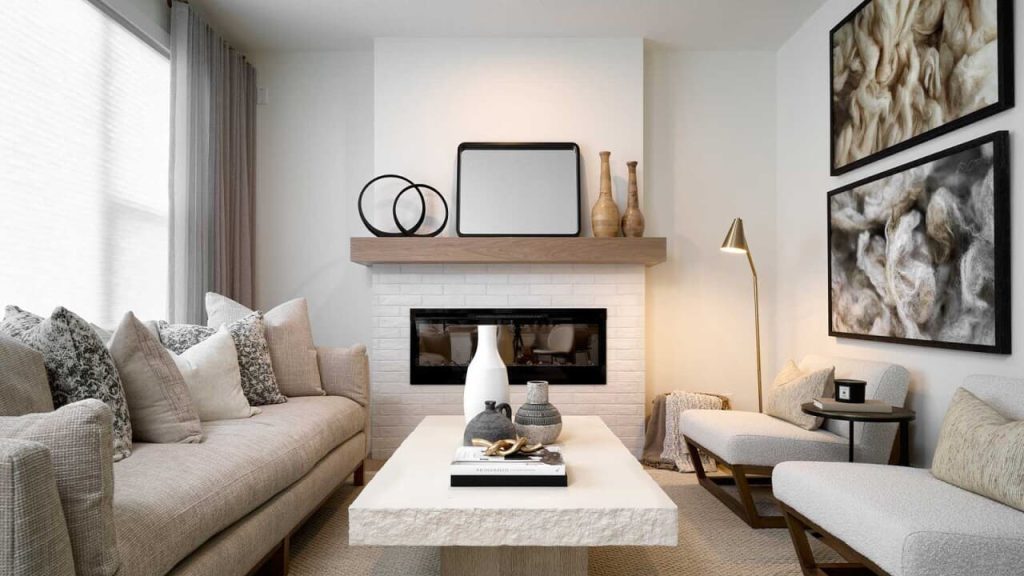
Your living room is more than just a space—it’s where you relax, entertain, and make memories. But how do you turn it from plain to perfect?
Decorating a living room can feel overwhelming, especially when you don’t know where to start. What if you could follow a simple, clear plan that guides you step by step? This article will show you exactly how to decorate your living room with confidence, making it stylish and comfortable without stress.
Keep reading, and soon you’ll see your space transform into the room you’ve always wanted.
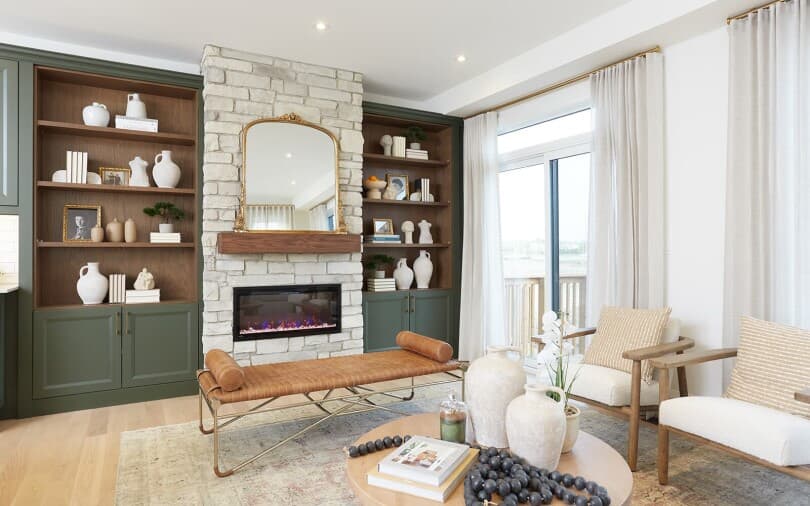
Credit: www.brookfieldresidential.com
Planning Your Living Room Layout
Planning your living room layout sets the foundation for a space that feels comfortable and looks great. It’s about making the most of your room’s size and shape while matching your lifestyle. Taking time here saves you from costly mistakes and frustration later.
Assessing The Space
Start by measuring your living room’s dimensions, including windows, doors, and any architectural features. Understanding the exact space helps you avoid buying furniture that won’t fit or overcrowd the room.
Consider the natural light and which walls are available for larger pieces. Ask yourself: How do you want to use this room? Is it for relaxing, entertaining, or maybe a mix of activities?
Choosing A Focal Point
Your focal point anchors the room and draws attention. It can be a fireplace, a large window with a view, or a TV wall. Picking one helps you arrange furniture around it logically.
Think about what you want people to notice first when entering. If you don’t have a natural focal point, create one with artwork, a bold rug, or a statement piece of furniture.
Traffic Flow And Functionality
Good traffic flow means people can move easily without bumping into furniture. Leave clear pathways of at least two to three feet wide around seating areas. This makes the room feel open and inviting.
Focus on how you and your guests will use the space daily. For example, if you entertain often, place seating to encourage conversation. If it’s a family hangout, make sure there’s enough space for everyone to relax comfortably.
Selecting A Color Scheme
Selecting a color scheme sets the tone of your living room. It creates mood and influences the room’s overall feel. A well-chosen palette makes the space inviting and stylish. Focus on harmony and balance for a pleasing look.
Choosing Base Colors
Base colors cover large areas like walls and floors. Neutral tones such as beige, gray, or soft white work well. They create a calm, flexible backdrop. Choose colors that match your furniture and style. Base colors should be timeless and easy to change later.
Incorporating Accent Colors
Accent colors add personality and interest to your living room. Use brighter or darker shades in cushions, rugs, or artwork. These colors highlight certain areas and break the monotony. Pick two or three accent colors to keep the look balanced. Accent colors can reflect your mood or season.
Balancing Warm And Cool Tones
Warm tones like red, orange, and yellow bring energy and comfort. Cool tones such as blue, green, and purple create calm and relaxation. Mix warm and cool tones to keep the room lively but peaceful. Use warm tones in small areas and cool tones for larger spaces. Balance helps the room feel cozy without being overwhelming.
Picking Furniture Pieces
Choose furniture that fits your living room size and style. Focus on comfort and function to create a cozy space. Balance large pieces with smaller items for a harmonious look.
Picking Furniture Pieces Selecting the right furniture transforms your living room into a cozy retreat. Each piece should blend comfort with style, reflecting your personality. Start by identifying your needs, space, and budget. This process is a crucial step in crafting a harmonious room.Essential Furniture Items
Begin with the basics. A comfortable sofa anchors the room. Choose chairs for extra seating. A coffee table is vital for functionality. Add storage with side tables or a console. Each piece should serve a purpose and offer comfort.Sizing And Proportion
Consider the room’s size. Large furniture in a small space overwhelms. Measure your room before purchasing. Balance is key. Ensure pieces complement each other. Leave space for movement and avoid overcrowding.Mixing Styles And Materials
Blend styles for a unique look. Mix modern with vintage. Pair wood with metal or glass. Contrast colors for visual interest. Choose materials that suit your lifestyle. Soft fabrics add warmth. Durable materials withstand daily use. Craft a space that feels like home.Arranging Furniture Effectively
Arranging furniture effectively shapes the feel and function of your living room. It guides movement, encourages social interaction, and defines the room’s style. Proper placement creates balance and comfort, turning any space into a welcoming area. Thoughtful furniture layout makes the room look spacious and organized.
Creating Conversation Areas
Group seating pieces close enough to talk without raising voices. Arrange sofas and chairs facing each other or at slight angles. Avoid placing furniture against walls only. Include a coffee table or ottoman in the center for convenience. This setup invites guests to relax and chat comfortably.
Maximizing Space
Keep pathways clear for easy movement around the room. Use smaller furniture or pieces with slim profiles in tight spaces. Consider multi-functional furniture like storage ottomans or nesting tables. Push larger items slightly away from walls to create a better flow. Avoid overcrowding to maintain an open feel.
Using Rugs To Define Zones
Place rugs under seating groups to anchor the area visually. Choose rug sizes that fit furniture legs either fully or partially on top. Use different rugs to separate dining, sitting, or play zones in open layouts. Rugs add texture, warmth, and color while organizing the space clearly.
Adding Lighting Layers
Lighting can transform your living room from dull to dynamic. Adding layers of light creates depth and makes the space feel inviting. Think about how different lights serve different purposes and moods, then combine them to suit your lifestyle.
Ambient Lighting Options
Ambient lighting sets the overall brightness in your living room. Ceiling fixtures like flush mounts or chandeliers spread light evenly, making the room feel open and warm.
Consider dimmable lights so you can adjust the brightness based on the time of day or activity. Recessed lighting also works well if you prefer a cleaner look without bulky fixtures.
Task Lighting Ideas
Task lighting focuses on specific areas where you need clear light. Reading lamps next to your sofa or adjustable floor lamps near workspaces help reduce eye strain.
Table lamps with adjustable arms or swing-arm wall lights give you control over the light direction. Have you thought about adding LED strips under shelves for extra brightness when working or crafting?
Accent Lighting Techniques
Accent lights highlight architectural features or decor elements, adding character to your living room. Use spotlights or track lighting to draw attention to artwork, plants, or textured walls.
LED candles or small uplights can create cozy corners that invite relaxation. Play with colors and shadows to add visual interest without overwhelming the space.
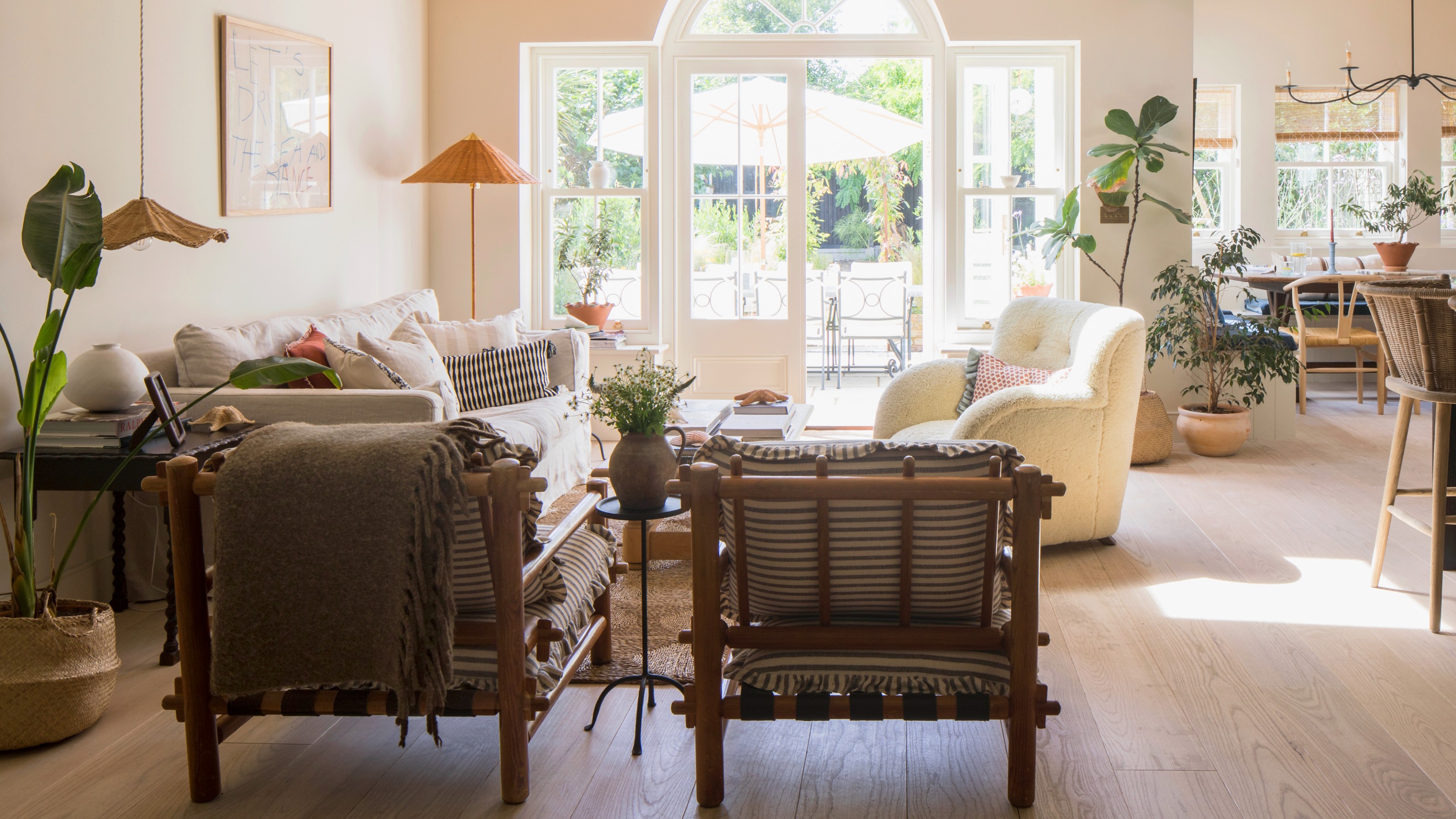
Credit: www.idealhome.co.uk
Incorporating Textiles And Accessories
Incorporating textiles and accessories brings warmth and personality to your living room. These elements soften hard surfaces and add color, texture, and comfort. Thoughtful choices can create a cozy and inviting atmosphere that reflects your style.
Choosing Curtains And Rugs
Curtains frame your windows and control natural light. Pick fabrics that match your room’s mood. Light, airy curtains brighten small spaces. Heavy fabrics add a sense of luxury and privacy.
Rugs anchor the seating area and protect floors. Choose a rug size that fits your furniture layout. Patterns and colors can tie the room’s theme together. Soft textures invite barefoot comfort and warmth.
Using Cushions And Throws
Cushions add pops of color and extra comfort to sofas and chairs. Mix sizes and patterns for a dynamic look. Soft, washable fabrics work best for everyday use.
Throws offer warmth and style. Drape them casually over furniture for an inviting feel. Choose colors that complement or contrast your main palette. They also provide an easy way to change the look seasonally.
Decorating With Art And Plants
Art reflects your personality and creates focal points. Hang pieces at eye level for best impact. Group smaller artworks to form a gallery wall.
Plants bring life and freshness to the room. Select low-maintenance varieties if you lack a green thumb. Use decorative pots that match your decor style. Arrange plants on shelves, tables, or corners for balance.
Personalizing Your Living Room
Personalizing your living room is what transforms a simple space into a reflection of who you are. It’s about adding touches that tell your story and make you feel truly at home. Think about the items and styles that spark joy or inspire you—those are the keys to a room that feels personal and inviting.
Displaying Collectibles
Show off your collectibles in a way that makes them part of the room’s charm. Use shelves, shadow boxes, or open cabinets to arrange your items neatly and accessibly.
Group similar pieces together to create a visual impact. For example, a series of vintage cameras or travel souvenirs can become a conversation starter when displayed thoughtfully.
Don’t overcrowd; leave some breathing room so each piece stands out. Have you noticed how a carefully curated collection can make your living room feel more like a gallery than just a living space?
Creating A Gallery Wall
A gallery wall is a dynamic way to showcase your favorite photos, artwork, or even framed quotes. Mix different frame sizes and styles to add depth and interest.
Plan your layout on the floor before hanging to find the perfect arrangement. Consider themes or color schemes to keep the wall cohesive and balanced.
Adding personal photos alongside art can make the wall feel uniquely yours. What stories do you want your wall to tell about your life and passions?
Adding Unique Statement Pieces
Statement pieces give your living room a bold personality. It could be a colorful armchair, an antique coffee table, or an eye-catching light fixture.
Choose items that resonate with your taste and spark emotion. When I added a bright turquoise rug to my living room, it instantly lifted the whole atmosphere and became a favorite spot.
Don’t shy away from mixing styles to create a surprising twist. What single item could you introduce to make your space feel unmistakably yours?
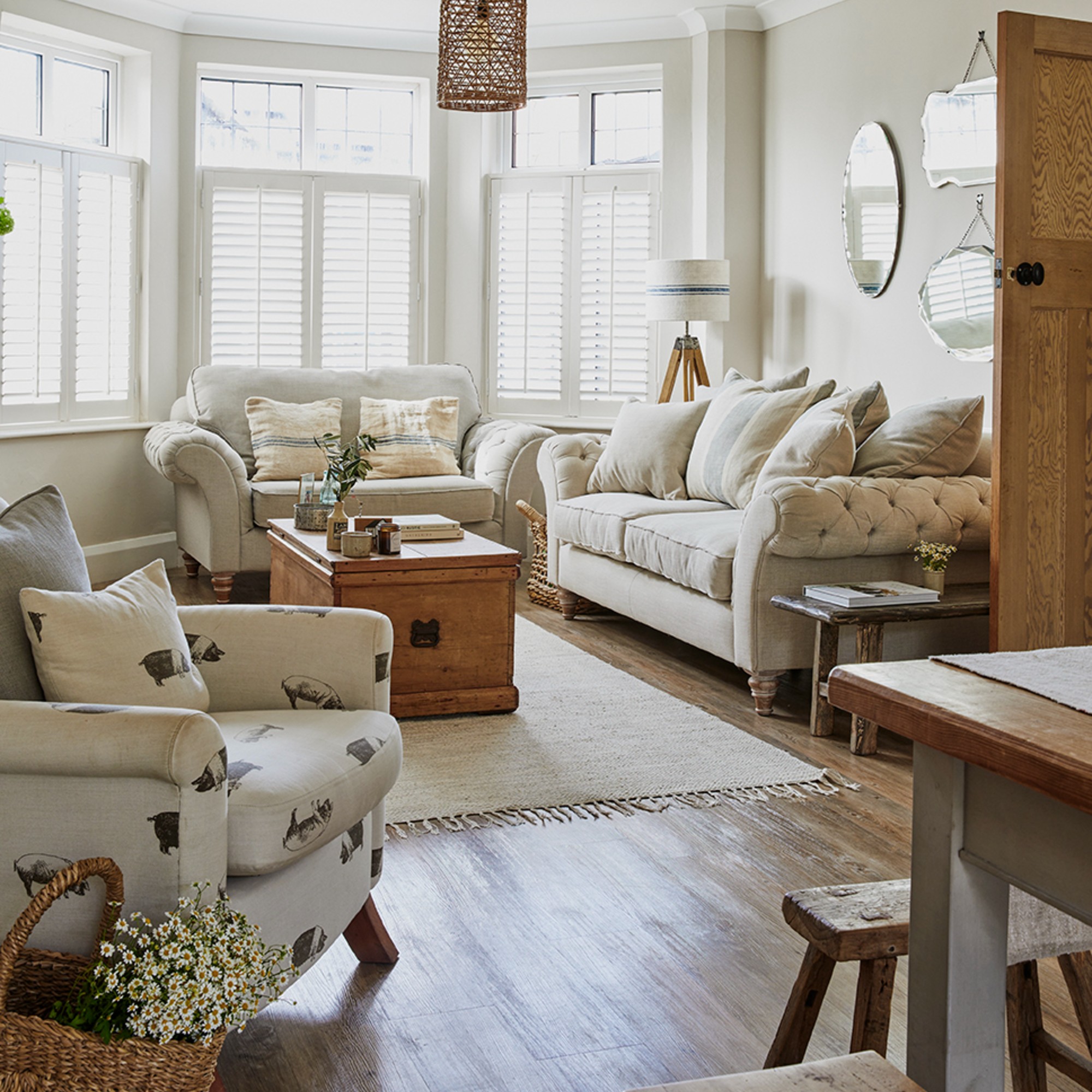
Credit: www.idealhome.co.uk
Maintaining Style And Function
Maintaining style and function in your living room is about balancing beauty with practicality. A room that looks great but feels inconvenient won’t serve you well daily. Think about how your space works for you and what small changes can keep it both stylish and easy to live in.
Storage Solutions
Smart storage keeps your living room organized and stylish. Use furniture that doubles as storage, like ottomans with hidden compartments or coffee tables with shelves. Wall-mounted shelves or built-in cabinets free up floor space and give your decor a clean look.
Ask yourself what items clutter your space most. Books, blankets, or kids’ toys? Find storage that fits your lifestyle and keeps those items accessible but out of sight. Clear storage bins or decorative baskets can be both practical and visually appealing.
Keeping The Space Clutter-free
Clutter can quickly ruin a well-decorated room. Make it a habit to tidy up daily by putting things back in their designated spots. This simple routine prevents mess from building up and keeps your space inviting.
Consider creating ‘drop zones’ for keys, mail, and everyday items to avoid random piles. Does your living room have enough surfaces or baskets for these quick storage needs? If not, adding a small console table or wall hooks could solve this instantly.
Updating Decor Seasonally
Changing your decor with the seasons refreshes your living room without a full makeover. Swap out cushion covers, throws, or artwork to match the mood of each season. This keeps your space feeling new and exciting year-round.
Think about textures and colors that suit different times of the year: light linens for summer, cozy knits for winter. How often do you change your decor? Even small seasonal tweaks can boost your room’s comfort and style without extra cost.
Frequently Asked Questions
How Do I Choose The Right Living Room Color Scheme?
Start with a base neutral color for walls. Add accent colors through furniture and decor. Consider lighting and room size when selecting hues. Choose colors that reflect your style and create a welcoming atmosphere.
What Furniture Layout Works Best For Living Rooms?
Arrange furniture to promote conversation and flow. Place seating around a focal point like a fireplace or TV. Leave enough space for easy movement. Balance comfort with functionality for everyday use.
How Can I Add Personality To My Living Room?
Incorporate artwork, cushions, and rugs that reflect your taste. Use unique decor pieces and plants for character. Personal photos and meaningful objects make the space feel inviting and personal.
What Lighting Is Ideal For A Living Room?
Use a mix of ambient, task, and accent lighting. Overhead lights provide general illumination. Lamps and sconces add warmth and focus. Dimmer switches help adjust mood lighting.
Conclusion
Decorating your living room step by step makes the process simple. Start with a clear plan and choose colors you like. Add furniture that fits your space and feels comfortable. Use lighting to create a warm and inviting mood. Don’t forget to add personal touches like photos or art.
Take your time to arrange everything just right. Your living room will feel cozy and welcoming. Enjoy the space you created with care and style. Small changes can bring big improvements. Keep it simple, and make it yours.