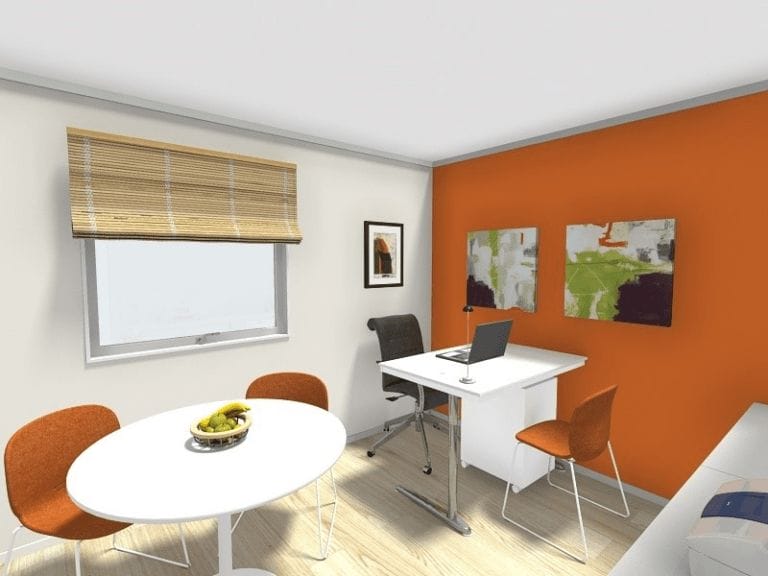
Struggling to make your small office feel spacious and inspiring? You’re not alone.
When space is tight, every decision counts—from the colors you choose to the way you arrange your furniture. But what if you could turn your tiny workspace into a place that sparks creativity and boosts your productivity? You’ll discover simple, practical tips to decorate and arrange your small office so it feels bigger, brighter, and totally tailored to your needs.
Ready to transform your space and work better than ever? Keep reading.

Credit: www.facebook.com
Maximize Space
Maximizing space in a small office can feel like solving a puzzle. You want everything you need within reach but without the clutter that stifles creativity and focus. Smart choices in furniture, storage, and habits can transform your compact workspace into an efficient, comfortable zone.
Choose Compact Furniture
Pick furniture that fits the scale of your room without sacrificing function. A narrow desk or a foldable table can free up floor space while still giving you a solid work surface.
Look for chairs with slim profiles or those that tuck neatly under the desk. Multi-purpose pieces, like a filing cabinet that doubles as a printer stand, save space and reduce excess items.
Use Vertical Storage
Walls are your best friends in a small office. Adding shelves or wall-mounted organizers keeps your desk clear and utilizes space you might otherwise ignore.
Stack books, files, or office supplies vertically instead of spreading them out. Pegboards can hold tools and accessories, making them easy to grab but out of the way.
Declutter Regularly
Even the best layout fails if clutter piles up. Set a weekly routine to clear out unnecessary papers, old notes, and unused items.
Ask yourself: Do I really need this on my desk or in my office? Regular decluttering keeps your space feeling open and makes it easier to find what you need.
Optimize Lighting
Optimizing lighting in a small office is crucial to creating a productive and comfortable workspace. The right lighting reduces eye strain, lifts your mood, and makes the room feel larger. Let’s look at practical ways to brighten your office without overwhelming the space.
Incorporate Natural Light
Maximize the use of windows to bring in as much natural light as possible. Position your desk near a window but avoid direct glare on your screen. Use sheer curtains or blinds that let light in while reducing harsh shadows.
Have you noticed how a sunny spot can boost your energy during work? Natural light also helps regulate your sleep cycle, which can improve focus and creativity throughout the day.
Add Task Lighting
Task lighting targets specific work areas and can be a game-changer in a small office. A good desk lamp with adjustable brightness allows you to focus light where you need it most. Choose lamps with flexible arms or dimmers to customize your lighting.
Think about the times you’ve struggled to read small print or see details clearly. Task lighting prevents this frustration and keeps your workspace efficient, especially during late hours or cloudy days.
Use Light Colors
Light colors on walls and furniture reflect light, making your office feel more open and airy. Whites, soft grays, and pastels are excellent choices that bounce natural and artificial light around the room. Avoid dark colors that absorb light and make the space feel cramped.
Have you ever stepped into a room painted in bright white and felt instantly refreshed? That same effect can happen in your office, helping you stay alert and positive even during long work sessions.
Select Functional Decor
Choose functional decor that saves space and boosts productivity in a small office. Use shelves, organizers, and compact furniture to keep the area tidy and efficient. Bright colors and natural light create a welcoming, focused environment.
Decorating a small office requires thoughtful choices. Functional decor is crucial. It maximizes space and improves productivity. Selecting items that serve multiple purposes can be transformative. These items help in minimizing clutter and enhance the office’s aesthetic appeal.Pick Multi-purpose Items
Choose furniture that offers storage and comfort. Opt for desks with built-in drawers. Shelves that act as room dividers are ideal. Consider a foldable chair or table. Such items save space and provide flexibility. Multi-functional pieces make small offices efficient and stylish.Incorporate Plants
Plants freshen the air and add color. Use small potted plants on desks or shelves. Hang planters to save floor space. Select low-maintenance plants like succulents. They require less attention and thrive indoors. Greenery boosts mood and productivity in small spaces.Use Wall Art Wisely
Wall art can transform an office. Choose art that inspires and motivates. Opt for pieces that reflect personality. Use mirrors to create the illusion of space. Hang art at eye level for best impact. Avoid overcrowding walls to maintain a clean look.Create Zones
Creating zones in a small office helps you use space more efficiently and keeps your environment organized. Each zone serves a specific purpose, making it easier to focus and switch tasks without distractions. Defining clear areas can also make your office feel larger and more welcoming.
Designate Work Areas
Set aside a dedicated spot just for work tasks. This could be a desk with your computer, notepads, and essential tools within arm’s reach.
Try facing your desk toward a window or a blank wall to minimize distractions. Use a small rug or a different chair color to visually separate this area from the rest.
Ask yourself: Does this space help you focus? If not, tweak the setup until it does.
Add Relaxation Spots
Even in a small office, a corner for short breaks can boost your productivity. A comfy chair or a beanbag with a small side table can create a perfect relaxation nook.
Use soft lighting or a small plant to make the spot inviting. This helps you mentally step away from work without leaving the room.
Think about how often you take breaks. Could a relaxation zone encourage you to pause and recharge more often?
Define Storage Spaces
Clutter kills focus, so clearly mark where you store supplies and documents. Use shelves, boxes, or filing cabinets to keep items organized and out of sight.
Label everything to save time searching for what you need. Vertical storage works great in small areas, freeing up floor space.
Do you know where every essential item is? Defining storage zones makes your workflow smoother and your office tidier.
Maintain Ergonomics
Maintaining ergonomics in a small office boosts comfort and productivity. Proper ergonomic setup reduces strain and fatigue during work hours. It creates a healthier workspace that supports long-term well-being. Small offices need smart choices to ensure space and comfort work together.
Choose Comfortable Seating
Select a chair with good lumbar support. The chair should adjust in height and tilt easily. Cushioned seats prevent discomfort during long work sessions. Armrests help reduce shoulder strain. A swivel base allows easy movement without twisting the body.
Adjust Desk Height
The desk height must match your sitting position. Elbows should rest at a 90-degree angle while typing. Feet should stay flat on the floor or on a footrest. Adjustable desks or add-ons help customize the height. This setup lowers wrist and neck strain during work.
Organize Cables Neatly
Loose cables cause clutter and can trip hazards. Use cable ties or clips to bundle wires together. Mount power strips under the desk for easy access. A tidy cable system keeps the workspace clean and safe. It also makes moving or adjusting equipment simpler.
Credit: www.magicspacedesigns.com
Enhance Productivity
Enhancing productivity in a small office means creating a space that supports focus and efficiency. A well-thought-out design helps reduce stress and boost energy. Small changes can make a big difference in how you work and feel throughout the day.
Use Color Psychology
Colors affect mood and concentration. Choose colors that promote calm and focus. Light blues and greens help reduce stress. Soft yellows can inspire creativity. Avoid dark or overly bright colors that cause distraction or fatigue. Keep color schemes simple to maintain a clean, organized feel.
Incorporate Inspiring Elements
Surround yourself with items that motivate you. Photos, quotes, or artwork can spark creativity. Plants bring life and freshness to your space. Natural light improves mood and alertness. Personal touches make the office feel inviting and boost morale.
Keep Essentials Accessible
Arrange tools and supplies within easy reach. Use shelves, drawers, and organizers to reduce clutter. A tidy space saves time and cuts down stress. Group similar items together for quick access. Clear desk surfaces help maintain focus and keep distractions away.

Credit: artifex.com.au
Frequently Asked Questions
How Can I Maximize Space In A Small Office?
Use vertical storage like shelves and wall organizers. Choose multifunctional furniture to save space. Keep desks clear and use under-desk storage to reduce clutter effectively.
What Colors Work Best For Small Office Decoration?
Light colors such as white, soft pastels, or neutrals create an airy feel. These colors reflect light, making the space appear larger and more open.
How To Arrange Furniture In A Small Office?
Place desks against walls to free central space. Use compact, ergonomic chairs. Arrange furniture to allow easy movement and maintain an open layout.
What Lighting Suits A Small Office Environment?
Use natural light as much as possible. Add task lighting like desk lamps. Avoid harsh overhead lights to reduce eye strain and create a cozy workspace.
Conclusion
Small office spaces can feel cozy and productive with smart choices. Use light colors to open up the room. Keep furniture simple and choose pieces that serve more than one purpose. Organize your items to reduce clutter and create calm.
Add a few personal touches to make the space inviting. Good lighting helps you stay focused and comfortable. Remember, a neat and well-arranged office supports your work and creativity every day. Small changes can make a big difference in your workspace.