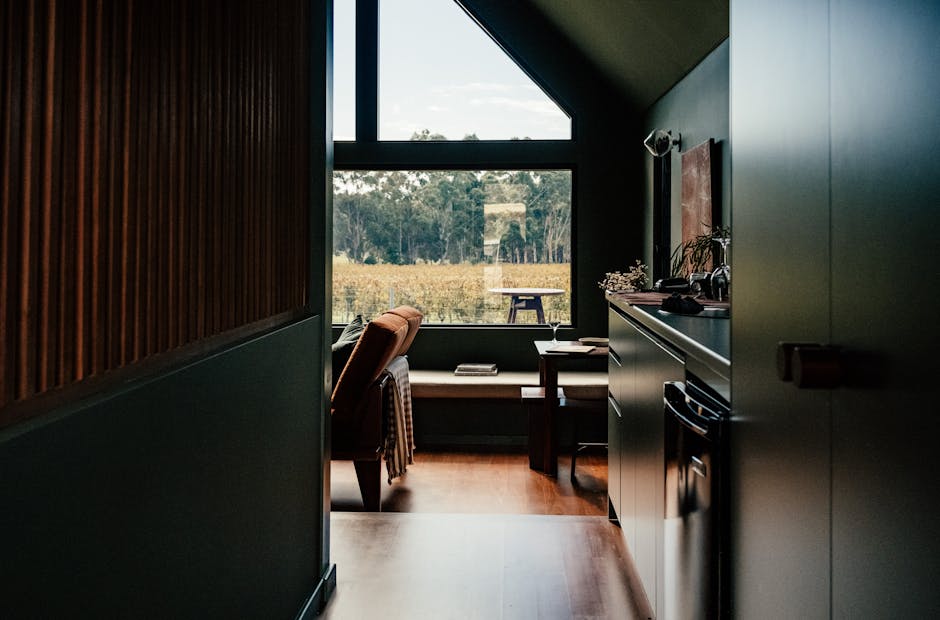
Your open concept living room and kitchen are the heart of your home. Decorating this space can feel overwhelming because you want it to look beautiful and flow seamlessly.
But what if you could create a stylish, cozy, and functional area that invites everyone to relax and connect? You’ll discover simple yet powerful tips to transform your open concept space. By the end, you’ll have clear ideas that make decorating easy and enjoyable.
Ready to see your living room and kitchen come alive? Let’s dive in!
Choosing A Cohesive Color Palette
Choosing a cohesive color palette is key to making your open concept living room and kitchen feel like one harmonious space. Colors tie different areas together and help define the flow without physical barriers. Your palette should create balance and interest, guiding the eye smoothly from one zone to another.
Balancing Warm And Cool Tones
Mixing warm and cool tones adds depth and keeps the space from feeling flat. Warm tones like soft yellows or terracotta invite comfort, while cool tones like blues or grays bring calm and clarity.
Think about how light hits your space throughout the day. If your kitchen faces north and feels cooler, introducing warm accents there can make it cozy. Conversely, your living room with southern exposure might benefit from cooler shades to prevent it from feeling too intense.
Try this: pick one dominant tone for both areas and use the opposite temperature as a secondary color. This dance between warmth and coolness creates natural balance and keeps your open concept from looking disjointed.
Using Accent Colors Strategically
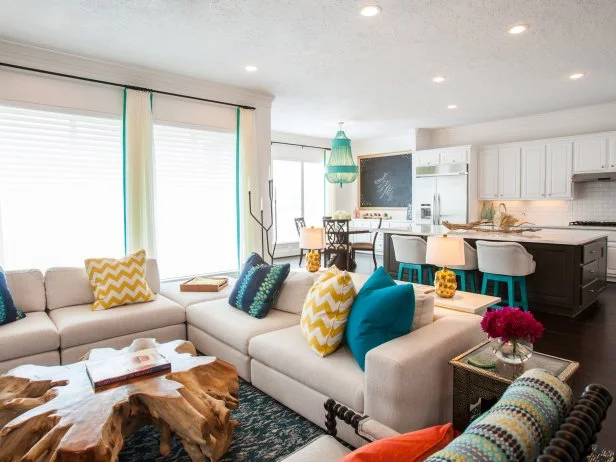
Accent colors are your best tool for adding personality without overwhelming the space. Choose one or two bold shades and sprinkle them across both rooms through cushions, rugs, or kitchen accessories.
For example, if your main palette is neutral, a deep emerald or burnt orange can energize the living room sofa and kitchen backsplash simultaneously. This subtle repetition helps your eye move across the space effortlessly.
Ask yourself: where do you want to draw attention? Use accent colors to highlight architectural features or functional zones like the dining area or kitchen island.
Remember, accents don’t need to be permanent—switch them up seasonally to refresh your open concept without a full redesign.
Defining Spaces With Furniture
Furniture can create clear zones in open living rooms and kitchens without walls. Placing sofas and tables strategically helps separate cooking, dining, and relaxing areas. Rugs and shelves also guide movement and define each space naturally.
Decorating an open concept living room and kitchen can be challenging. Creating distinct areas within this space is essential. Furniture placement plays a crucial role in defining zones. It helps organize the area and improve functionality. Let’s explore some effective ways to achieve this.Creating Zones With Sofas And Rugs
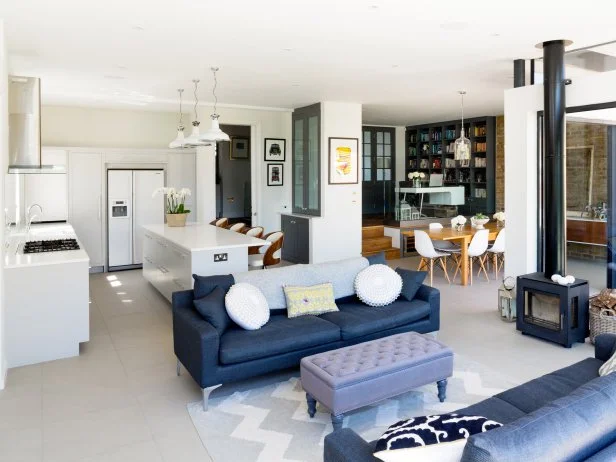
Sofas can act as natural barriers. Position a sofa to face away from the kitchen. This creates a visual separation between the two areas. Pair the sofa with a rug underneath. The rug adds texture and defines the living room space. Choose a rug that complements the sofa and other furniture. The size should be large enough to fit all seating but not overwhelm the room. Together, sofas and rugs form a cozy living area distinct from the kitchen.Using Kitchen Islands As Dividers
Kitchen islands serve as practical and stylish dividers. They separate the cooking area from the living space. Place bar stools on one side of the island. This invites interaction and keeps guests out of the cooking zone. The island can also store essentials, reducing clutter. Choose a design that matches both the kitchen and living room style. A well-placed island enhances the overall flow of the open concept area.Lighting Solutions For Open Areas
Lighting plays a crucial role in shaping the atmosphere of open concept living rooms and kitchens. Since these spaces blend together, the right lighting solutions help define areas without breaking the flow. You want your lighting to be functional, stylish, and able to adapt to different activities and moods throughout the day.
Layered Lighting Techniques
Using multiple layers of light adds depth and flexibility to your open space. Start with ambient lighting to provide overall illumination, such as recessed ceiling lights or track lighting. Then, add task lighting where you need focused light—under-cabinet lights in the kitchen or adjustable reading lamps in the living area work well.
Finally, include accent lighting to highlight artwork, architectural features, or decorative items. This mix allows you to brighten the room evenly or spotlight specific zones. Have you ever noticed how a single light source can leave parts of a room feeling dull or disconnected?
Think about installing dimmers for each lighting layer. This lets you control the intensity based on your needs—brighter for cooking, softer for relaxing or entertaining. Layered lighting also helps your space feel larger and more inviting by reducing harsh shadows.
Statement Fixtures For Impact
Bold, eye-catching light fixtures add personality and help anchor the open concept design. A large chandelier or a cluster of pendant lights over the kitchen island can serve as a visual centerpiece. Choose styles that reflect your taste, whether modern, rustic, or minimalist.
Don’t shy away from scale—oversized fixtures work well in open areas because they fill the volume without overwhelming it. Consider materials and finishes that tie in with other elements in your space, like metal accents or natural wood.
Think about how your statement pieces interact with the rest of the room. Can a unique fixture become a conversation starter? Or perhaps it subtly guides guests from one zone to another. Lighting can be more than functional—it can be art that shapes your everyday experience.

Credit: www.tailoredinterior.ca
Incorporating Textures And Materials
Incorporating different textures and materials can bring life to your open concept living room and kitchen. Textures add depth and interest to large spaces. They create a cozy yet dynamic atmosphere. Mixing materials also helps define each area without walls or dividers. By using a variety of surfaces, you can craft a balanced and inviting environment. Careful selection of wood, metal, and fabrics ensures the space feels connected but not monotonous.
Mixing Wood, Metal, And Fabrics
Wood adds warmth and natural beauty to your space. Choose wood furniture or flooring with visible grains for character. Metal introduces a modern, sleek touch. Use metal in light fixtures, cabinet handles, or bar stools. Combining wood and metal creates a balanced contrast. Fabrics soften the look and add comfort. Use upholstery or cushions to break hard surfaces. This mix of materials keeps the space lively and inviting.
Adding Softness With Textiles
Textiles bring softness and comfort to the open area. Rugs define spaces and add warmth underfoot. Throw pillows in different fabrics create visual interest. Curtains help control light and add texture to walls. Use cotton, linen, or wool for a natural feel. Layer textiles in various colors and patterns for a cozy vibe. Soft materials make the space feel welcoming and lived-in.
Choosing Functional And Stylish Storage
Choosing storage that is both functional and stylish is key in an open concept living room and kitchen. Storage solutions must keep the space organized without making it feel cluttered. They should blend well with the overall design and provide easy access to everyday items.
Good storage balances beauty and utility. It helps maintain a clean, open feel while offering enough space for essentials. Thoughtful storage choices make the room look larger and more inviting.
Open Shelving Ideas
Open shelves create a light, airy look. They offer quick access to dishes, cookbooks, and decor. Use matching containers or baskets to keep shelves tidy. Arrange items by color or size for a neat display.
- Install wooden shelves for warmth and texture.
- Use metal brackets for an industrial touch.
- Mix decorative items with practical pieces.
- Keep shelves clutter-free to maintain openness.
Built-in Cabinets For Seamless Look
Built-in cabinets provide ample storage without breaking the room flow. They blend into walls for a smooth, clean appearance. Choose cabinets that match your room’s color and style.
- Use floor-to-ceiling cabinets to maximize space.
- Select flat-panel doors for a modern look.
- Incorporate hidden handles for sleekness.
- Include pull-out shelves for easy access.
Credit: www.hgtv.com
Decor Tips For Visual Flow
Creating a smooth visual flow between your open concept living room and kitchen helps the space feel unified and inviting. Proper decor choices guide the eye naturally from one area to the next. This connection makes the entire space appear larger and more harmonious.
Small details can create big impact. Color, texture, and style should work together in both rooms. This harmony prevents the rooms from feeling separate, even without walls between them.
Consistent Artwork Themes
Choose artwork that shares a similar theme or color palette for both spaces. This consistency ties the rooms together visually. For example, use prints with matching tones or styles on the walls.
Group smaller pieces into one larger gallery wall. This creates a focal point that spans across the living room and kitchen. Keep frames uniform in color or material for a neat look.
Using Plants To Connect Spaces
Plants add life and freshness to open concept areas. Place similar types of plants in both rooms to create a natural link. Use pots that match or complement each other.
Taller plants can act as subtle dividers without breaking the flow. Low plants on shelves or countertops help spread green throughout the space. The natural elements soften sharp lines and bring calmness.
Selecting Furniture With Scale In Mind
Selecting furniture with scale in mind is key to making your open concept living room and kitchen feel balanced and inviting. The right-sized pieces help define each area without overwhelming your space. Think about how each item fits together to create flow and comfort.
Avoiding Overcrowding
Overcrowding can make even a large open space feel cramped. Choose furniture that leaves enough walking room and visual breathing space. Ask yourself if you can easily move around without bumping into chairs or tables.
Try spacing out your seating and tables thoughtfully. Smaller sofas or chairs with slimmer profiles often work better than bulky ones. Keep some areas open to maintain a sense of airiness.
Choosing Multi-purpose Pieces
Multi-purpose furniture saves space and adds functionality in open concept areas. Look for items that serve more than one role, like an ottoman with storage or a dining table that doubles as a workspace.
I once added a bench with hidden storage to my kitchen island seating. It cleared clutter and provided extra seating when guests came over. What pieces in your space can pull double duty without adding bulk?
Flooring Choices For Unified Spaces
Choosing the right flooring helps create a smooth flow between the living room and kitchen. This choice connects both spaces visually and physically. Flooring can set the tone for the entire area and make it feel larger and more open. Careful selection of materials and colors builds harmony across the open concept.
Continuity With Wood And Tile
Wood floors offer warmth and a natural look that suits many styles. Using the same wood flooring across both rooms unites the space. Lighter woods brighten the area, while darker woods add richness. Durable tile works well in kitchens and can extend into the living room. Choose tiles that mimic wood for a consistent feel. Mixing wood and tile is possible with similar tones and textures. This blend defines each area but keeps the overall look connected.
Area Rugs To Anchor Seating
Area rugs add comfort and style to open rooms. Placing rugs under the seating groups helps mark the living area. Rugs bring color, pattern, and texture without changing floors. They soften hard flooring and reduce noise. Choose rugs that fit the furniture size and shape well. Layering rugs can add depth and interest. Rugs also protect floors and are easier to update than permanent flooring.
Credit: www.hgtv.com
Frequently Asked Questions
How To Define Zones In Open Concept Living Room And Kitchen?
Use rugs, furniture placement, and lighting to create distinct zones. This helps separate the living area from the kitchen while maintaining flow.
What Colors Work Best For Open Concept Living Spaces?
Choose a cohesive color palette with neutral tones and accent colors. This creates harmony and visually connects the living room and kitchen.
How To Maximize Storage Without Cluttering The Open Space?
Incorporate built-in shelves, multi-functional furniture, and vertical storage. This keeps the space organized and maintains an airy feel.
What Lighting Options Suit Open Concept Living Rooms And Kitchens?
Layer ambient, task, and accent lighting using pendant lights, recessed fixtures, and lamps. Proper lighting enhances function and atmosphere.
Conclusion
Open concept living rooms and kitchens bring people together. Keep your space bright with light colors and good lighting. Use rugs or furniture to separate areas without walls. Choose furniture that fits both comfort and style. Add small decorations to show your personality.
Remember, balance is key to a cozy and functional space. Enjoy creating a room that feels open and welcoming every day.