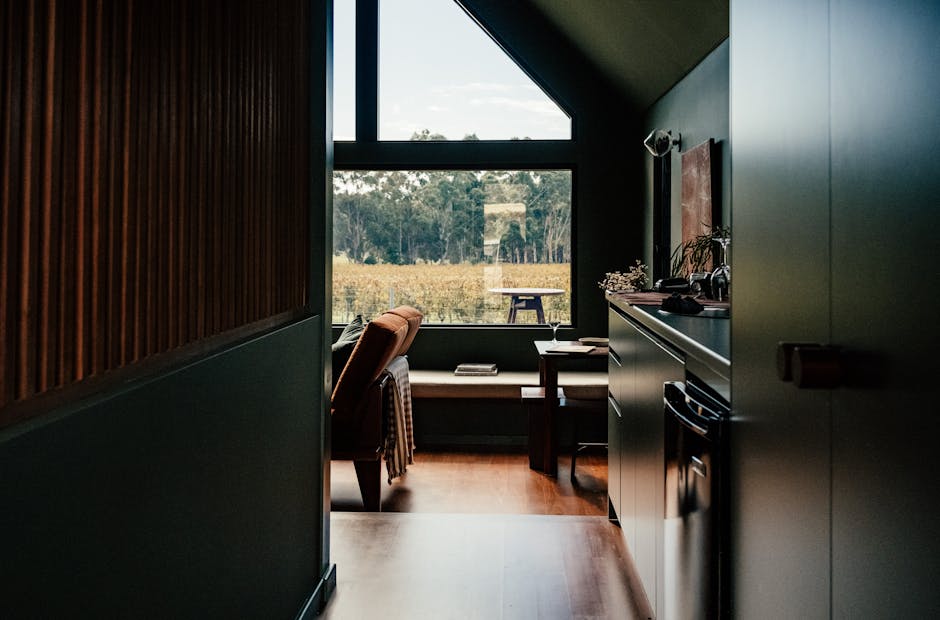
Imagine walking into your open-concept living space and instantly feeling cozy, stylish, and perfectly balanced. The secret to creating that inviting atmosphere lies in how you use lighting.
If you’ve ever struggled with making your large, open room feel warm and connected, you’re not alone. But don’t worry—this guide will show you exactly how to decorate with lighting to transform your open-concept living area into a stunning, functional haven.
Keep reading, and you’ll discover simple yet powerful lighting tips that can change the entire mood and flow of your home.
Choosing The Right Lighting Types
Choosing the right lighting types shapes the mood and function of an open concept living room. Each lighting type plays a unique role. Combining them creates a balanced and inviting space. Proper lighting highlights design features and defines areas without walls. Focus on ambient, task, and accent lighting to meet all needs.
Ambient Lighting Options
Ambient lighting provides overall illumination. It sets the base light level for the entire room. Common choices include ceiling-mounted fixtures, recessed lights, and chandeliers. Dimmers help adjust brightness according to time or activity. Soft white bulbs create a warm and welcoming atmosphere. Consider even light distribution to avoid dark corners.
Task Lighting Solutions
Task lighting targets specific areas for activities like reading or cooking. Desk lamps, floor lamps, and under-cabinet lights work well here. Adjustable fixtures allow directing light exactly where needed. Bright, focused light reduces eye strain and improves productivity. Use task lighting near seating, workspaces, and kitchen counters.
Accent Lighting Ideas
Accent lighting highlights art, plants, or architectural details. Spotlights, track lights, and wall sconces add depth and interest. It creates visual contrast and draws attention to favorite features. LED strip lights under shelves or inside cabinets offer subtle accents. Layer accent lighting with ambient and task lights for a dynamic look.
Layering Lights For Depth
Layering lights creates a sense of depth and warmth in open concept living spaces. Combining ambient, task, and accent lighting helps define areas without walls. This approach makes the room feel cozy and inviting while highlighting key features.
Layering lights in an open concept living room creates depth and warmth. It enhances the space, making it inviting and functional. Different light sources combine to illuminate various areas, adding dimension. This technique helps define spaces without walls, using light to guide the eye.Combining Overhead And Floor Lamps
Overhead lights provide general illumination. They brighten the entire room. Choose fixtures that match your style. Chandeliers add elegance; pendant lights offer a modern touch. Floor lamps add focused light. They highlight specific areas, like reading corners. Place them near seating areas for task lighting. Balance their height with furniture.Using Table Lamps Strategically
Table lamps offer versatile lighting. They are portable and easy to reposition. Use them on side tables and shelves. They create cozy spots for reading or conversation. Choose lamps with adjustable brightness. This allows control over the room’s mood. Select designs that complement your decor.Incorporating Wall Sconces
Wall sconces add ambiance. They provide soft, indirect lighting. Install them on accent walls or near artwork. They enhance the visual appeal of the room. Sconces can replace overhead lighting in some areas. Choose styles that fit your space, from classic to contemporary. They are excellent for highlighting architectural features.Highlighting Zones In Open Spaces
Open concept living spaces offer a seamless flow between different areas. Lighting helps mark these zones without walls or barriers. It guides the eye and sets moods for each function. Thoughtful lighting can define spaces clearly and make the room feel cozy yet spacious.
Defining Living And Dining Areas
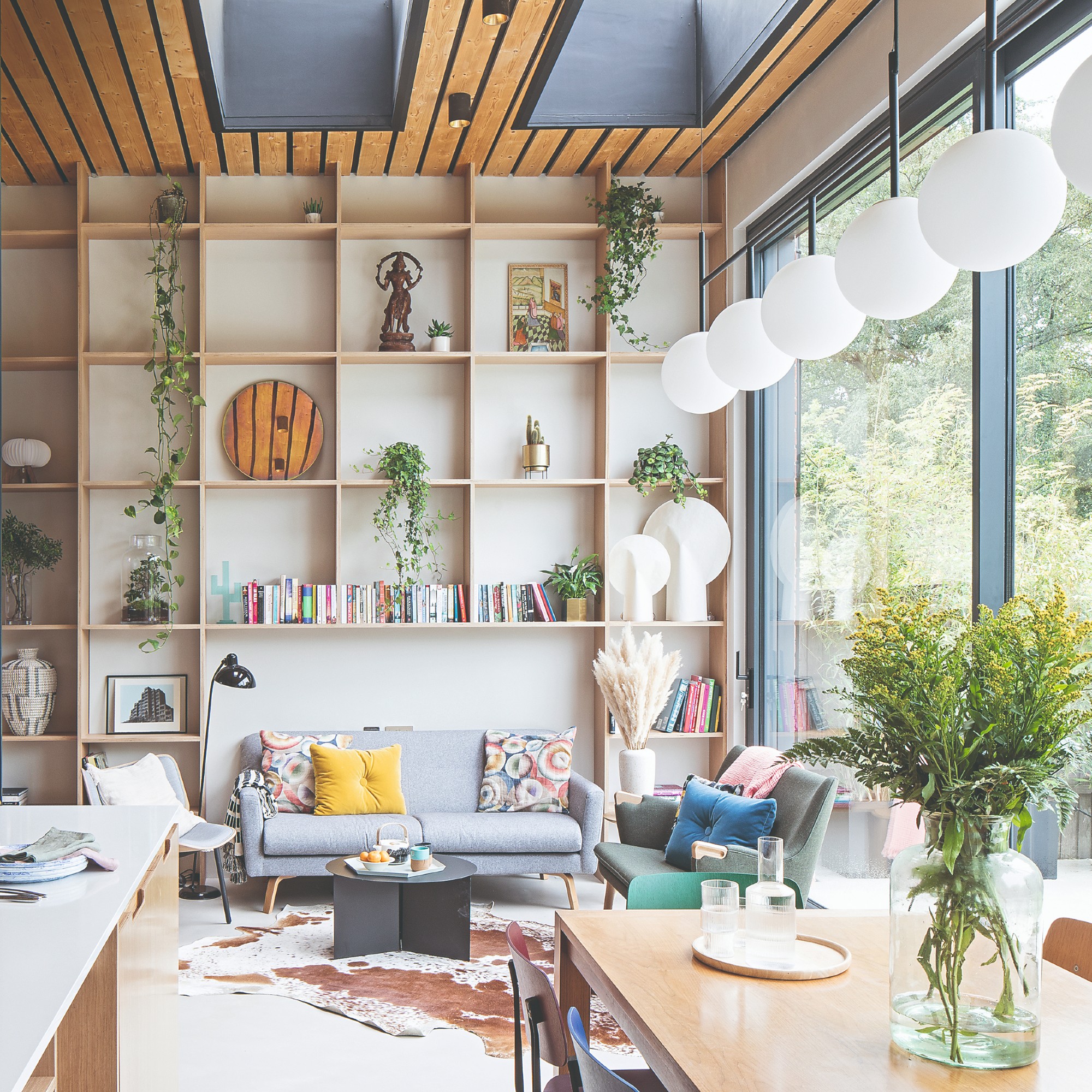
Use different light styles to separate living and dining zones. A large pendant light or chandelier works well over the dining table. It draws attention and anchors the space. In the living area, opt for softer, layered lighting like floor lamps and recessed lights. This contrast creates a clear boundary while keeping the open flow intact.
Lighting Kitchen Islands
Kitchen islands act as a natural divider in open spaces. Pendant lights above the island add focus and function. Choose fixtures that match the kitchen style and provide enough light for tasks. Grouping multiple pendants in a row creates a visual line that separates the kitchen from other areas. This also enhances the island’s role as a gathering spot.
Creating Cozy Nooks
Cozy nooks invite relaxation within open spaces. Use warm, soft lighting like table lamps or wall sconces. These create small pockets of light that feel intimate. Position lights to highlight seating areas or reading corners. This subtle lighting difference helps carve out a quiet retreat without closing off the space.
Credit: www.idealhome.co.uk
Selecting Fixtures To Match Decor
Choosing the right lighting fixtures is key for an open concept living space. Fixtures should blend well with the room’s style and create a balanced look. The right lighting highlights furniture, colors, and textures. It also sets the mood and improves the room’s function.
Consider the overall decor theme before picking fixtures. The shape, material, and color of the lighting should complement the existing design. Fixtures that clash with the decor can break the flow of an open space. Here are ideas for popular decor styles to guide your choice.
Modern And Minimalist Designs
Modern and minimalist spaces use clean lines and simple shapes. Lighting fixtures often have sleek finishes like chrome, black, or white. Look for fixtures with geometric forms or smooth curves. Avoid overly ornate or bulky designs.
- Track lighting with slim profiles works well.
- Recessed lights keep the ceiling uncluttered.
- Pendant lights in clear glass or metal add style without heaviness.
Choose fixtures that provide bright, even light to enhance openness. Minimalist lighting creates a calm and spacious feel.
Rustic And Industrial Styles
Rustic and industrial decor favors raw, natural materials. Fixtures often feature wood, metal, and exposed bulbs. Choose lighting with a vintage or handcrafted look.
- Iron chandeliers or pendant lights add character.
- Wire cage shades or Edison bulbs boost the industrial vibe.
- Fixtures with distressed finishes match rustic furniture.
These fixtures bring warmth and texture. They create a cozy, lived-in atmosphere that suits open layouts.
Elegant And Classic Fixtures
Elegant and classic rooms need lighting with timeless appeal. Fixtures often use crystal, brass, or polished metals. Look for chandeliers or sconces with intricate details.
- Crystal pendants add sparkle and luxury.
- Brass or gold finishes bring warmth and richness.
- Wall sconces with fabric shades soften the light.
Classic fixtures create a refined and inviting space. They work well with traditional furniture and rich colors.
Maximizing Natural Light
Natural light can transform an open concept living room. It makes the space feel larger, brighter, and more welcoming. Maximizing natural light helps reduce the need for artificial lighting during the day. It also enhances the room’s colors and textures, creating a cheerful atmosphere.
Using Sheer Curtains
Sheer curtains allow sunlight to enter softly. They filter light while reducing glare and harsh shadows. These curtains keep privacy without blocking brightness. Choose light colors like white or cream for the best effect. Sheer fabrics add elegance and a breezy feel to the room.
Positioning Mirrors
Mirrors reflect natural light deeper into the room. Place them opposite windows to double the sunlight. Large mirrors create a sense of extra space. Group smaller mirrors on walls to catch light from different angles. Shiny frames also help bounce light around the room.
Choosing Light Colors
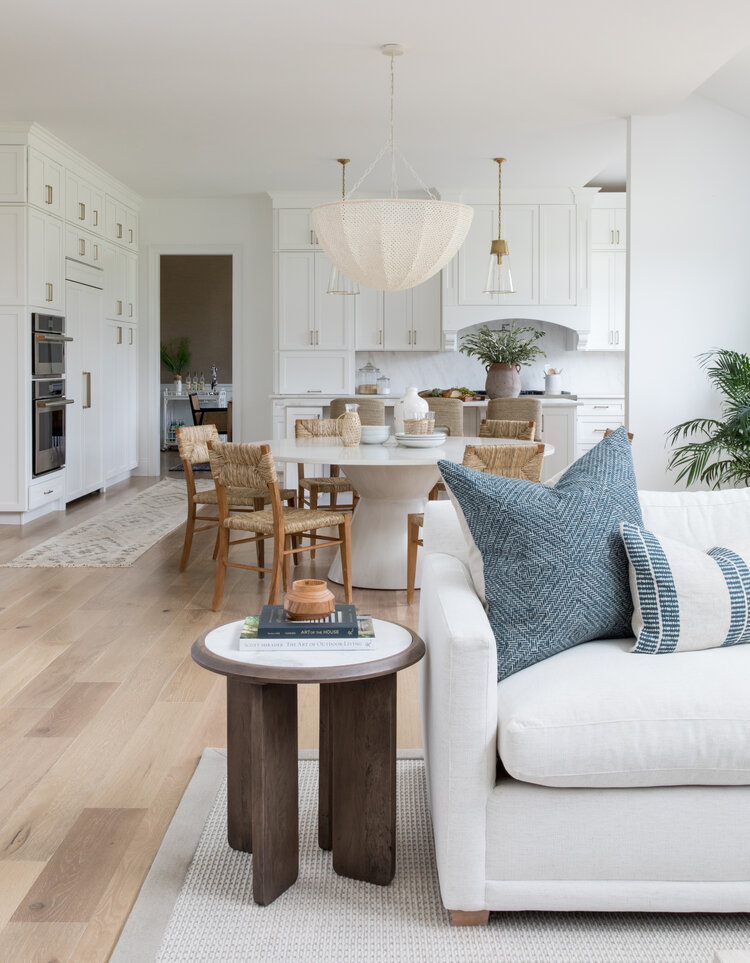
Light colors reflect sunlight instead of absorbing it. Use soft shades of white, beige, or pastels on walls and furniture. These colors brighten the room and enhance natural light. Avoid dark or bold colors that make spaces feel smaller and dimmer. Light flooring and ceilings also help spread light evenly.
Credit: jane-athome.com
Smart Lighting Controls
Smart lighting controls bring ease and flexibility to an open concept living space. They let you adjust brightness and mood instantly without rearranging lamps or changing bulbs. Think about how often you wish your lighting could adapt seamlessly as your day changes or your activities shift.
Dimmers And Switches
Dimmers give you precise control over light levels, letting you shift from bright task lighting to soft ambiance with a simple slide or press. Installing dimmers in your living room means you can create cozy movie nights or lively gatherings without swapping fixtures.
Upgrading to smart switches adds another layer of convenience. These switches often integrate with apps or voice controls, so you don’t have to get up to adjust lighting. Ever wished you could set the perfect light scene before guests arrive? Smart switches make that effortless.
App-controlled Systems
App-controlled lighting systems put total control in your pocket. You can change colors, set schedules, or sync lights with music from anywhere. Imagine dimming the lights from your phone while still on the couch or turning them off after you’ve left the house.
Many apps offer pre-set scenes designed for different moods—reading, relaxing, or entertaining. This feature saves time and lets you experiment with looks that highlight your room’s best features. Have you tried adjusting your lighting remotely to fit your evening plans?
Voice-activated Features
Voice control takes hands-free convenience to the next level. Using devices like Alexa, Google Assistant, or Siri, you can change lighting with simple commands. This is especially useful when your hands are full or you want to avoid walking across a large open space.
Voice commands can also trigger complex routines, such as dimming lights, closing blinds, and playing music simultaneously. Have you thought about how this could transform your daily routines or impress guests effortlessly?
Creative Lighting Ideas
Creative lighting can transform an open concept living room. It sets the mood and highlights key areas. Using different types of lighting adds depth and style. Mixing soft and bold lights creates a welcoming space.
String Lights And Led Strips
String lights add charm and warmth to any open space. They work well along shelves, windows, or ceiling edges. LED strips offer flexible lighting options. Place them under furniture or along stairs for a modern look.
- Use warm white string lights for a cozy feel.
- Choose color-changing LED strips to match your mood.
- Install dimmable options for adjustable brightness.
Statement Chandeliers
A bold chandelier becomes a focal point in a large room. It adds elegance and draws eyes upward. Choose a style that fits your room’s theme. Crystal, metal, or wood designs can all work well.
- Place chandeliers above dining or seating areas.
- Pick sizes that balance with your ceiling height.
- Use LED bulbs to save energy and last longer.
Under Cabinet And Cove Lighting
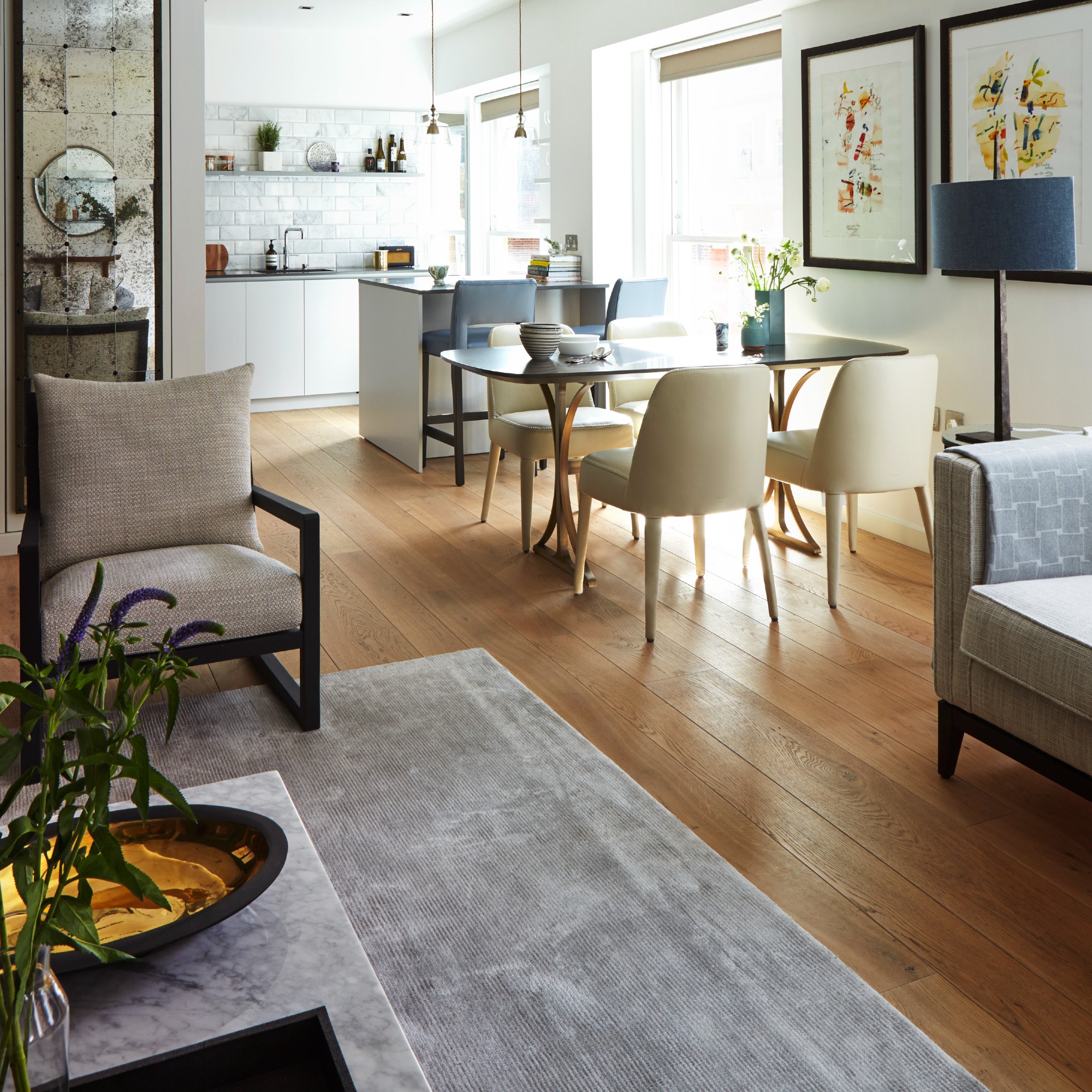
Under cabinet lights brighten dark corners in kitchens or bars. They make tasks easier and add soft background light. Cove lighting highlights architectural details near the ceiling. Both types create layers of light without clutter.
- Install LED strips under cabinets for even illumination.
- Use warm tones to keep the atmosphere inviting.
- Combine cove lighting with recessed lights for balance.
Credit: www.idealhome.co.uk
Frequently Asked Questions
What Lighting Suits An Open Concept Living Room?
Layered lighting works best, combining ambient, task, and accent lights. Use dimmers to adjust mood and brightness easily.
How To Create Zones With Lighting In Open Spaces?
Use pendant lights or floor lamps to define areas. Different lighting styles help separate dining, lounging, and kitchen zones visually.
Can Natural Light Enhance Open Concept Lighting Design?
Yes, natural light brightens the space and reduces energy use. Use sheer curtains to diffuse light without blocking it.
What Bulbs Are Ideal For Open Concept Living Rooms?
Choose LED bulbs with warm white tones (2700K-3000K). They provide cozy light and save energy while lasting longer.
Conclusion
Lighting shapes the feel of your open-concept living space. Use layers of light to highlight different areas. Mix bright and soft lights for balance. Choose fixtures that match your style and room size. Think about natural light and how it changes during the day.
Light creates warmth and invites comfort. It also helps define zones without walls. Simple changes can make a big difference. Let your lighting tell the story of your home.