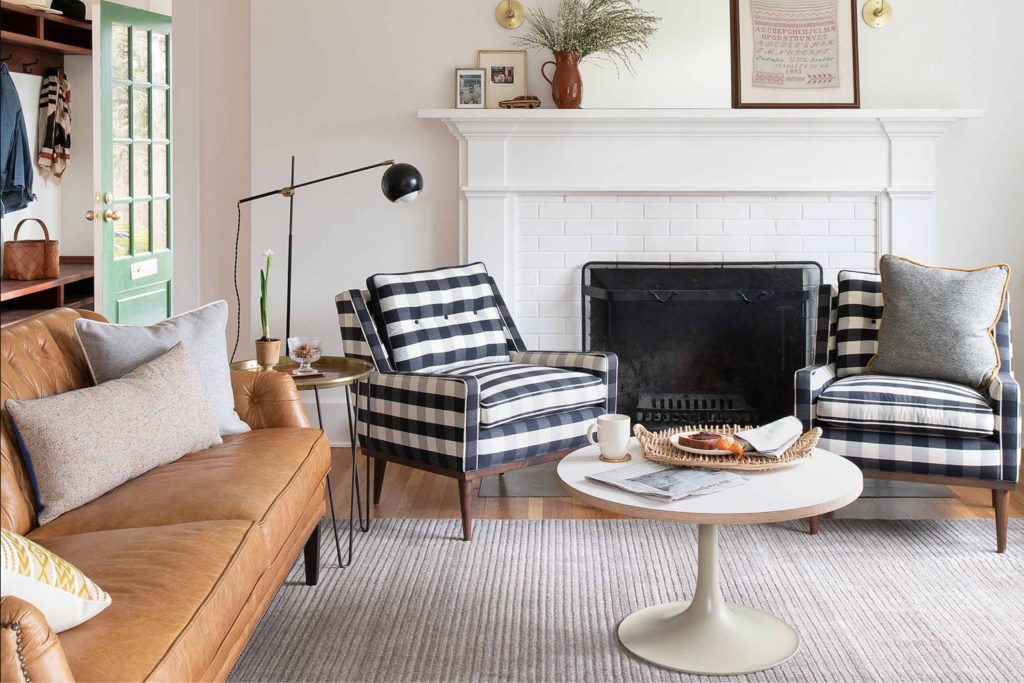
Your living room is the heart of your home, where you relax, entertain, and create memories. But decorating it doesn’t have to be complicated or expensive.
Imagine transforming your space into a cozy, stylish retreat with simple changes that make a big impact. You’ll discover easy, practical tips that anyone can follow to refresh your living room. Ready to make your space more inviting and truly yours?
Keep reading to find out how simple decorating can bring new life to your living room.
Choose A Color Palette
Choosing a color palette sets the mood for your living room. It guides all other design choices, from furniture to accessories. A well-picked palette makes the space feel balanced and inviting. Simple palettes keep decorating easy and stress-free.
Neutral Tones For Calm
Neutral tones create a peaceful and timeless backdrop. Shades like beige, gray, and soft white work well. These colors make the room feel open and relaxing. They also allow furniture and art to stand out. Use different textures to add depth without bold colors.
Accent Colors For Pop
Accent colors bring life to neutral bases. Choose one or two bright colors to highlight. Examples include teal, mustard, or coral. Use these colors in pillows, rugs, or wall art. Small touches of color create interest without overwhelming the space.
Balancing Warm And Cool Shades
Mix warm and cool colors for a balanced look. Warm colors include reds, oranges, and yellows. Cool colors are blues, greens, and purples. Combining both types prevents the room from feeling too cold or too hot. Try pairing a warm sofa with cool curtains or vice versa.
Pick Functional Furniture
Your living room is a haven where you unwind, entertain, and spend quality time with loved ones. Picking functional furniture is the key to creating a space that’s both stylish and practical. The right pieces not only save space but also enhance the room’s functionality, allowing you to get the most out of your living area.
Multi-purpose Pieces
Opt for furniture that serves more than one purpose. A coffee table with storage underneath can hold magazines and remote controls, keeping the surface clutter-free. Consider a sofa bed if you often have overnight guests. It transforms your living room into a cozy guest room effortlessly. Look for ottomans that open up for storage or can be used as extra seating when needed.
Comfort Meets Style
Don’t sacrifice comfort for style. You can have both! Choose seating with plush cushions that invite you to relax, yet maintain a sleek design. Test the furniture in-store if possible, as the feel is just as important as the look. Consider the color and material – they should complement the overall theme of your living room while providing comfort for everyday use.
Right Scale For Space
Ensure your furniture fits the scale of your room. Oversized pieces can make a small living room feel cramped. Measure your space before purchasing to avoid this common pitfall. Think about how the furniture will be arranged. Leave enough room for movement without bumping into things. How does each piece interact with the others? Visualize the layout to ensure harmony.
Add Textures And Fabrics
Adding textures and fabrics to your living room instantly makes the space feel more inviting and layered. It’s not just about filling the room but creating tactile interest that draws you in. You’ll notice how different materials can change the mood and comfort level of your living area.
Mixing Materials
Try combining smooth, rough, soft, and shiny surfaces to keep your room visually exciting. For example, pair a sleek leather sofa with a chunky knit pouf or a wooden coffee table. Mixing materials like metal, wood, and fabric adds depth without overwhelming your space.
Think about how each material feels under your hand or foot. Does the softness of velvet cushions contrast nicely with a rough jute rug? Experiment with textures you might not usually consider to create a dynamic look.
Cozy Throws And Cushions
Throws and cushions are the easiest way to add texture and comfort. Choose fabrics like wool, faux fur, or linen to bring warmth and softness. You can switch them seasonally to refresh your room without a full makeover.
Have you noticed how a well-placed throw invites you to sit and relax? Cushions in varying sizes and patterns also help break up monotony and add personality. Don’t shy away from bold colors or unusual fabrics—they can become conversation starters.
Rugs That Define Zones
Rugs do more than cover your floor; they anchor your furniture and define different areas. Use a textured rug under your coffee table to create a cozy conversation nook. Layering rugs with different textures, like a flat weave under a fluffy sheepskin, can add unexpected charm.
Think about the size and feel of the rug underfoot. Would a natural fiber rug make the space feel more grounded? Choosing the right rug can subtly guide movement and usage in your living room.

Credit: www.youtube.com
Incorporate Lighting Layers
Lighting shapes the mood and function of your living room. Layering different types of lights creates balance and depth. This approach brings warmth and style while making the space practical for daily use.
Ambient Lighting Ideas
Ambient light provides overall brightness. Use ceiling fixtures like flush mounts or chandeliers. Soft white bulbs create a cozy atmosphere. Consider dimmer switches to adjust light levels. Natural light also plays a key role. Keep windows clear and use light curtains to let daylight in.
Task Lighting Solutions
Task lighting focuses on activities like reading or working. Table lamps and floor lamps work well near seating areas. Adjustable arms or swing-arm lamps offer flexibility. Under-cabinet lights in shelves add extra light for hobbies. Bright, focused light reduces eye strain and improves comfort.
Accent And Decorative Lights
Accent lights highlight artwork or architectural features. Use spotlights or wall sconces to draw attention. String lights or LED strips add a playful touch. Candles or lanterns create a soft, inviting glow. These lights add personality and make the room feel inviting.
Use Art And Wall Decor
Art and wall decor can transform a simple living room into a cozy and stylish space. They bring personality and warmth without crowding the room. Choosing the right pieces can set the tone and create a focal point that draws the eye.
Use art and wall decor to add color, texture, and interest. Even a few well-chosen items can change the feel of your living area. The walls become a canvas to express style and mood.
Gallery Walls
Create a gallery wall by grouping small to medium-sized artworks or photos. Arrange them in a balanced layout on one wall. This technique adds charm and shows your personality.
- Mix frames of different sizes and finishes for variety.
- Use similar colors or themes to keep harmony.
- Space the pieces evenly for a neat look.
Mirrors To Expand Space
Mirrors reflect light and make rooms feel bigger. Hang a large mirror or a set of small mirrors on an empty wall. This simple trick opens up the space visually.
- Choose mirrors with interesting frames for style.
- Place opposite windows to reflect natural light.
- Use round or irregular shapes to soften corners.
Statement Pieces
A single statement piece can define your living room’s style. It could be a large painting, a unique sculpture, or a bold wall hanging. This draws attention and adds character.
- Select art that matches your room’s color scheme.
- Keep surrounding decor simple to let it shine.
- Position it at eye level for maximum impact.
Credit: www.homebeautiful.com.au
Keep Clutter Minimal
Keeping clutter minimal in your living room is key to creating a calm and inviting space. Clutter can overwhelm your room, making it feel smaller and less relaxing. By managing what stays visible and what gets stored away, you can enjoy a cleaner, more organized environment every day.
Smart Storage Options
Choose furniture that doubles as storage, like ottomans with hidden compartments or coffee tables with drawers. These pieces help you tuck away items that tend to accumulate, such as magazines, remote controls, or blankets.
Think vertical too. Tall cabinets or bookcases use wall space efficiently without taking up much floor area. When you assign a specific place for each item, it becomes easier to keep your living room tidy.
Open Shelving Tips
Open shelves can add style and storage, but they require careful curation. Use baskets or boxes to group small items together and avoid visual chaos.
Display only what you love or use regularly. Too many items on open shelves can quickly look cluttered, so keep it simple and change the display seasonally to keep things fresh.
Maintaining Clean Surfaces
Clear surfaces make a big difference in how spacious and neat your living room feels. Set a daily or weekly routine to put things back in their place and wipe down tables and shelves.
Ask yourself: does every item on your coffee table or side table need to be there? Removing unnecessary objects not only looks better but also makes cleaning easier and faster.
Bring In Greenery
Adding greenery to your living room instantly lifts the mood and creates a fresh atmosphere. Plants bring a natural element that softens the space and adds color without overwhelming your decor. You don’t need a green thumb or a big budget to enjoy the benefits of indoor plants.
Easy Indoor Plants
Choose plants that are low-maintenance and thrive indoors. Snake plants and pothos are perfect if you often forget to water. Spider plants and peace lilies also do well with indirect light and minimal care.
These plants not only look great but also improve air quality. Have you noticed how a simple plant can make your room feel more alive?
Plant Placement Ideas
Think about where your plants will get the right amount of light. Place taller plants like fiddle leaf figs in empty corners to fill space. Smaller pots work well on shelves, coffee tables, or window sills.
You can group plants of different heights to create visual interest. Hanging planters near a sunny window add a stylish touch without taking up floor space.
Maintenance Tips
Water your plants according to their needs—some prefer dry soil, others like it moist. Check the leaves regularly for dust and gently wipe them clean; this helps plants absorb light better.
Rotate your plants every week to ensure even growth on all sides. Remember, a little attention goes a long way in keeping your greenery healthy and vibrant.

Credit: food52.com
Personalize With Accessories
Personalizing your living room with accessories creates a space that feels truly yours. Small details bring warmth and character to the room. Accessories let you express your style without overwhelming the space.
Choose items that reflect your personality and memories. Mix textures, colors, and shapes for a balanced look. Accessories can be changed easily to refresh the room anytime.
Decorative Objects
Decorative objects add charm and interest to your living room. Use vases, bowls, or sculptures on shelves and tables. Pick pieces with colors or shapes that match your style.
Group objects in odd numbers for a natural look. Clear clutter around these items to let them stand out. Simple objects can make a big difference.
Books And Magazines
Books and magazines show your interests and invite guests to explore. Stack favorite books on coffee tables or shelves. Arrange magazines in a neat basket or tray for easy access.
Choose covers with appealing colors or designs. This adds a cozy, lived-in feel. Rotate your collection to keep the space fresh.
Unique Finds
Unique finds make your living room one of a kind. Display souvenirs, handmade crafts, or vintage pieces. These items tell a story and spark conversations.
Place unique finds where they catch the eye but don’t clutter. Use lighting to highlight special pieces. These treasures add depth and personality to your space.
Frequently Asked Questions
How Can I Decorate My Living Room Simply And Affordably?
Focus on decluttering and adding key pieces like cushions and rugs. Use neutral colors and natural light. Incorporate plants for freshness. Thrift stores offer budget-friendly décor options. Simple art and minimal furniture keep the space inviting and cozy without overspending.
What Are The Best Colors For A Simple Living Room?
Choose neutral tones such as white, beige, or gray for a clean look. Add subtle accents with soft blues or greens. These colors create a calm, spacious feel. Avoid bold shades that overwhelm. Light colors reflect natural light and enhance simplicity.
How Do I Arrange Furniture For A Simple Living Room?
Place furniture to maximize space and flow. Keep seating close for conversation. Avoid overcrowding with too many pieces. Use multi-functional furniture like ottomans with storage. Arrange items to highlight natural light and focal points like a fireplace or window.
What Simple Décor Items Enhance A Living Room?
Use throw pillows, area rugs, and curtains in soft tones. Add framed artwork or mirrors to reflect light. Incorporate plants for a natural touch. Minimalist lamps and simple shelves keep the room functional yet stylish. These elements add warmth without clutter.
Conclusion
Decorating your living room can be simple and fun. Choose colors and furniture that feel right to you. Add personal touches like photos or plants. Keep things tidy and avoid clutter. Small changes can make a big difference. Enjoy creating a space where you feel happy and relaxed.
Your living room should reflect your style and comfort. Start with easy steps and build from there. A cozy, simple room invites warmth and peace every day.