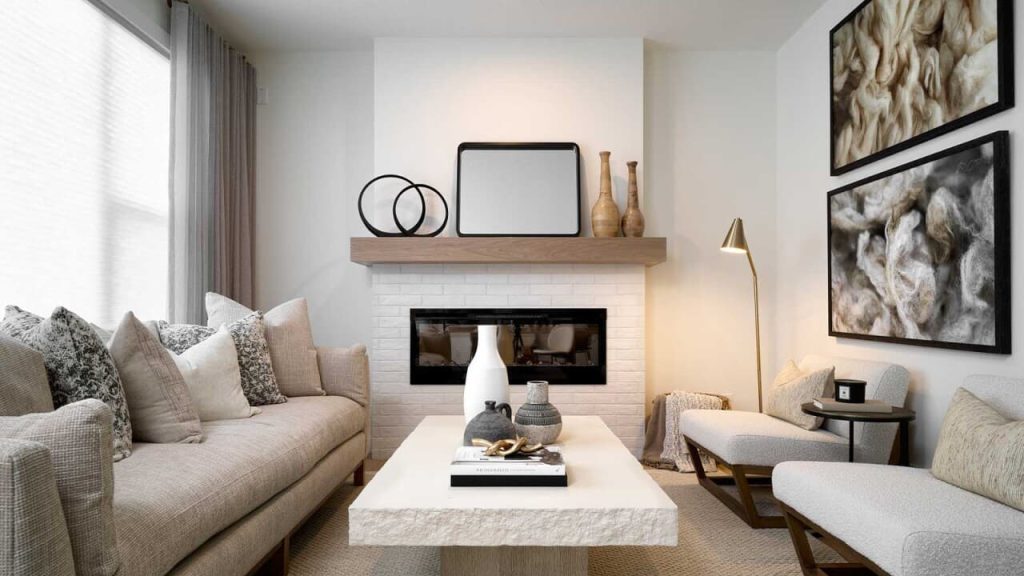
Is your living room long and narrow, leaving you unsure how to make the best use of the space? You’re not alone.
Decorating a long living room can feel tricky, but with the right ideas, you can turn it into a cozy, stylish area that feels just right. Imagine walking into a room where every corner invites you to relax, chat, or unwind—without the awkward emptiness or clutter.
Ready to discover simple, effective ways to transform your long living room into a space you’ll love? Keep reading, because these tips will change how you see your room forever.
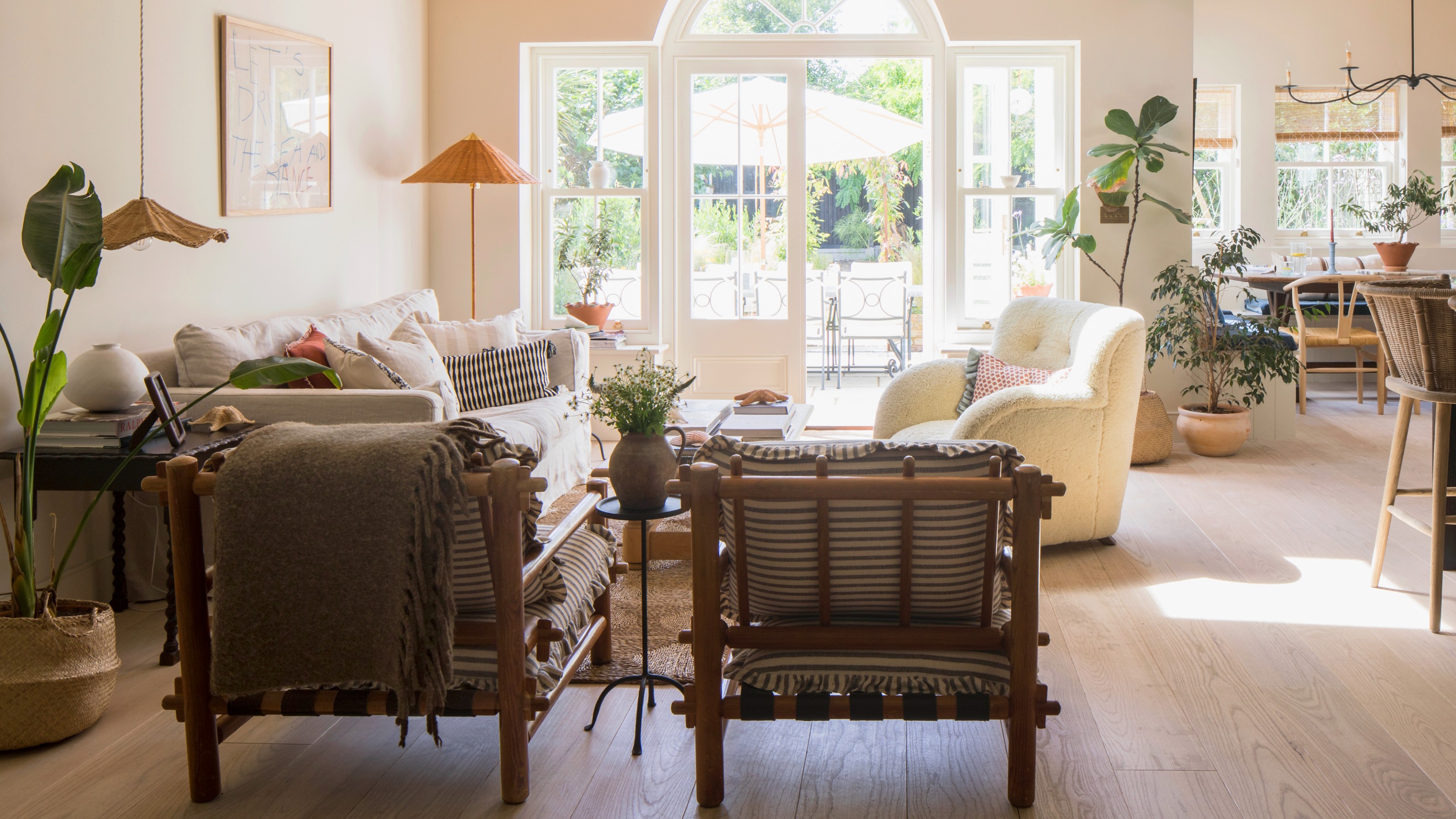
Credit: www.idealhome.co.uk
Choosing The Right Layout
Choosing the right layout for a long living room sets the foundation for how comfortable and functional the space feels. It’s not just about filling the room with furniture; it’s about arranging everything to suit your daily life and style. A thoughtful layout turns a long room from awkward to inviting, making every inch work for you.
Zoning The Space
Dividing your long living room into zones helps you avoid a tunnel-like feeling. Think about what activities happen in your living room—reading, watching TV, chatting, or maybe working. Create distinct areas for each by using rugs, lighting, or furniture placement to define boundaries without building walls.
For example, place a cozy armchair with a floor lamp in one corner for reading. Use a large rug and sofa arrangement in the center for relaxation and TV time. This way, each zone has its own purpose but still flows naturally into the next.
Balancing Furniture Placement
Balance is key to making your long living room feel harmonious. Avoid pushing all furniture against the walls; instead, try pulling pieces inward to create a more intimate atmosphere. Spread seating options evenly to prevent one side from feeling heavier or overcrowded.
Think about the scale of your furniture too. A massive sectional might overwhelm the space, while too many small pieces can make it feel cluttered. Mixing sizes and shapes keeps the eye moving and the room feeling lively.
Creating Conversation Areas
Long rooms often feel like a hallway, which isn’t great for socializing. Arrange your seating to encourage face-to-face interaction by grouping chairs and sofas together. Position them close enough to hear each other without shouting, but with enough space to move comfortably.
Adding a coffee table or ottoman in the middle can anchor the area and provide a place for drinks or books. Ask yourself: does this setup invite you and your guests to relax and talk? If not, adjust until it feels right.
Picking Colors And Themes
Choose light colors to make the room feel open and bright. Use a consistent theme to create balance and flow along the length of the space. Soft hues and simple patterns help keep the room cozy without feeling cluttered.
Decorating a long living room can be a thrilling journey into the world of colors and themes. Whether you wish to create a serene space or a lively area that reflects your personality, choosing the right colors and themes is crucial. These elements can dramatically transform the room’s ambiance, making it feel welcoming, spacious, or even cozy. Let’s explore some practical ways to pick the perfect colors and themes for your long living room.Using Light Colors To Open Space
Light colors, such as soft whites, pastels, and light grays, can make a long living room feel airy and expansive. These shades reflect light, creating the illusion of a larger space. Consider painting the walls in a light color to enhance natural light and make the room feel brighter. If you’re worried about the room feeling too plain, you can add texture with light-colored textiles or subtle patterns. Have you ever noticed how a light-colored room can uplift your mood? It’s a simple yet effective way to open up your space and invite a sense of calm and relaxation.Adding Bold Accents
While light colors open up space, bold accents can add depth and personality. Think about incorporating vibrant cushions, throws, or an eye-catching rug to create focal points in your living room. Bold colors like deep blues, rich reds, or emerald greens can energize the space and provide a dynamic contrast against lighter walls. If you’re someone who loves a little drama, perhaps a bold piece of artwork or a statement furniture piece could be what your room needs. It’s all about striking the right balance without overwhelming the space.Matching Themes To Personality
Your living room should be a reflection of who you are. Whether you’re drawn to a minimalist style, bohemian vibes, or classic elegance, choosing a theme that resonates with your personality is key. Start by identifying elements that speak to you—maybe it’s a texture, a pattern, or a particular color. Use these elements to build a cohesive theme that ties the room together. Ask yourself: What makes you feel most at home? Your living room should be a sanctuary that feels uniquely yours, a place where your personality shines through in every detail.Selecting Furniture
Selecting the right furniture shapes the entire feel of a long living room. It defines space, flow, and comfort. The key is to balance style with practicality. Furniture must fit the room’s length without making it feel crowded or empty. Each piece should serve a purpose and complement the room’s size and shape.
Choosing Long Sofas And Sectionals
Long sofas and sectionals suit extended living rooms perfectly. They fill space efficiently and offer ample seating. Opt for pieces with clean lines to avoid visual clutter. Sectionals can divide the room into zones, like seating and reading areas. Choose neutral colors to keep the look calm and cohesive. Add pillows or throws for texture and color.
Incorporating Multi-functional Pieces
Multi-functional furniture saves space and adds value. Look for ottomans with storage or coffee tables that lift up for dining. Sofa beds or daybeds work well for guests. These pieces keep the room flexible and useful. They reduce the need for extra furniture, keeping the space open and airy.
Keeping Scale And Proportion In Mind
Furniture size must match the room’s length and width. Avoid tiny pieces that get lost or huge items that overwhelm. Measure the room carefully before buying. Leave enough space for walking paths and other activities. Balance tall and low furniture to create visual interest. Aim for harmony between all elements to make the room inviting.
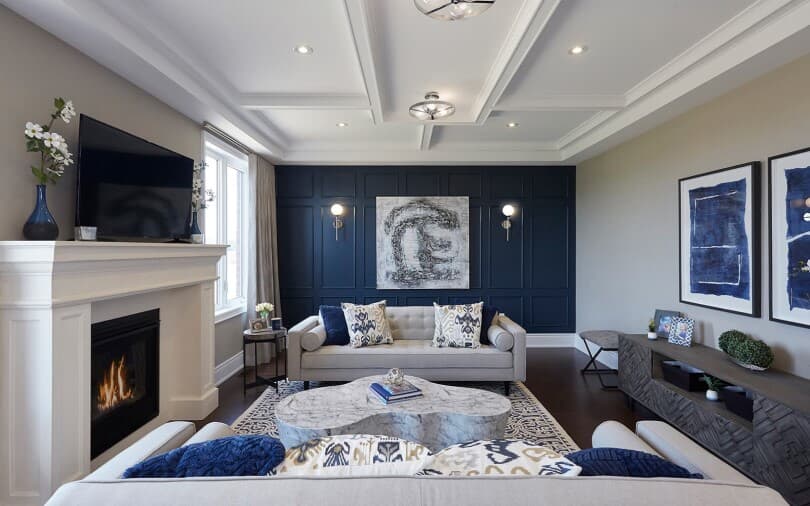
Credit: www.brookfieldresidential.com
Lighting Ideas
Lighting can completely change how your long living room feels and functions. It’s not just about brightness; it’s about creating a mood and making every corner inviting. Getting the lighting right helps you balance the space and draw attention to your favorite features.
Layering Different Light Sources
Use a mix of lights at different levels to add depth and warmth to your room. Combine ceiling lights with floor lamps and table lamps to avoid harsh shadows and dark spots.
Think about task lighting near reading chairs and ambient lighting for overall glow. Adding dimmers lets you adjust the mood easily, making your living room flexible for any activity.
Using Statement Fixtures
A bold chandelier or an oversized pendant light can become the centerpiece of your long living room. It helps break up the length and adds personality.
Look for fixtures that fit your style—whether modern, rustic, or classic—and hang them where they naturally draw the eye, like above the coffee table or in the seating area.
Maximizing Natural Light
Natural light makes your living room feel airy and spacious. Use sheer curtains or blinds that let light in without glare.
Position mirrors opposite windows to reflect sunlight deeper into the room. You might be surprised how much brighter your space can get just by thinking about window treatments and furniture placement.
Adding Textures And Patterns
Adding textures and patterns to a long living room can transform it from plain and boring to vibrant and inviting. Textures give depth, while patterns create visual interest and break up the space. Your goal should be to balance these elements so the room feels cozy without overwhelming the eye.
Mixing Fabrics And Materials
Try combining different fabrics like velvet cushions with linen throws or leather chairs paired with cotton rugs. This contrast adds richness and prevents the space from feeling flat. Think about how each material feels to the touch and how it looks under your room’s lighting.
Don’t be afraid to mix hard and soft materials. For example, a wooden coffee table next to a plush sofa can create a nice tactile contrast. How can you layer your current furniture with new textures to create a more dynamic feel?
Incorporating Rugs And Curtains
Rugs anchor the room and bring warmth, especially in a long space where the floor might feel too exposed. Choose rugs with subtle patterns or bold designs depending on your style. Layering rugs of different textures or sizes can also add dimension.
Curtains offer a chance to play with both texture and pattern vertically. Thick velvet curtains add drama, while sheer linen curtains soften the light. Think about how your curtain choices can frame your windows and add softness to the room’s length.
Playing With Wall Art And Accessories
Walls are a great canvas for introducing pattern and texture. Large woven tapestries or textured wall hangings bring warmth and break up expanses of wall space. You might also create a gallery wall mixing framed prints with 3D art pieces.
Accessories like textured throw pillows, patterned vases, and sculptural lamps can subtly echo the themes you use elsewhere. What small changes can you make with accessories that refresh your room without a big overhaul?
Decorating With Plants
Adding plants to a long living room can transform the space into a lively and inviting area. Plants bring in fresh colors, improve air quality, and create natural focal points. They break up the length of the room, making it feel cozier and more balanced.
Choosing Tall Plants For Height
Tall plants add vertical interest and prevent your long living room from feeling flat. Think about plants like fiddle leaf figs, snake plants, or dracaenas to fill empty corners or stand beside furniture.
These plants draw the eye upward, making the ceiling feel higher and the space more dynamic. Have you tried placing a tall plant next to a sofa? It instantly creates a stylish statement without cluttering the floor.
Creating Green Corners
Turn unused corners into green retreats by grouping plants of different sizes and shapes. Use a mix of medium and small pots on stands or shelves to make the corner visually rich.
This not only adds depth but also uses space that often goes overlooked. Imagine relaxing in your living room with a lush green corner nearby—it can add calm and a touch of nature to your day.
Using Hanging Planters
Hanging planters save floor space while adding layers of greenery at eye level or above. Choose trailing plants like pothos, ivy, or string of pearls to create a cascading effect.
Installing them near windows or above seating areas can soften the room’s edges. Have you noticed how hanging plants can make a room feel more intimate and styled without taking up valuable surface space?
Maximizing Storage
Maximizing storage in a long living room can transform the space from cluttered to calm. Thoughtful storage solutions help you keep essentials within reach while maintaining an open, inviting atmosphere. Let’s look at ways to add storage without overwhelming the room.
Built-in Shelves And Cabinets
Built-in shelves and cabinets fit perfectly into a long living room’s layout. They use vertical space efficiently, which is often underutilized in elongated rooms.
Consider installing shelves around doorways or windows to frame the room while adding storage. Custom cabinets under windows can double as seating or display areas. This approach keeps the floor clear, making the room feel larger.
Stylish Storage Solutions
Storage doesn’t have to be boring. Choose pieces that blend function and style to enhance your living room’s personality.
- Use storage ottomans that hide blankets or magazines.
- Opt for sleek console tables with drawers along narrow walls.
- Decorative baskets can organize toys or throws while adding texture.
Think about color and material choices that complement your existing décor. Would a pop of color in your storage piece brighten the space?
Keeping Clutter Under Control
Storage works best when you regularly manage what goes in it. Without this, even the best storage can become a clutter trap.
Set aside time each week to sort through items and decide what to keep or toss. Use labeled bins or boxes for smaller items to avoid messes.
Ask yourself: Are all these items necessary? This question helps you stay intentional about what fills your living room, keeping it neat and welcoming.
Personalizing The Space
Personalizing a long living room turns a large, sometimes overwhelming space into a warm and inviting area that truly feels like yours. It’s about adding touches that speak to your personality and lifestyle, making the room not just beautiful but meaningful. What little details make you feel most at home?
Displaying Collections
Showcasing collections adds character and sparks conversation. Whether it’s vintage books, travel souvenirs, or ceramic figurines, group your items thoughtfully on shelves or in glass cabinets. Arranging them by color or theme can create a cohesive look that feels curated, not cluttered.
Think about what you collect and how it reflects your interests. Do your guests notice these pieces? If not, try spotlighting them with dedicated lighting or a prominent display area to bring your personality to the forefront.
Adding Unique Decor Pieces
Unique decor pieces make your living room stand out and give it a personal edge. Look for handmade artwork, one-of-a-kind sculptures, or quirky furniture that tells a story. These elements become focal points and reveal your taste beyond mass-produced items.
Remember, a single striking piece can anchor the room and inspire the rest of your design choices. What item have you always wanted to feature that shows who you are?
Incorporating Family Photos
Family photos add warmth and a sense of belonging to your living room. Instead of scattering frames randomly, create a gallery wall or a dedicated shelf space to keep these memories organized and visible. Changing photos seasonally can keep the display fresh and engaging.
Consider mixing candid shots with professional portraits to balance formality and spontaneity. How can your photos tell your story in a way that invites others in?
Credit: www.houseandgarden.co.uk
Frequently Asked Questions
How Can I Divide A Long Living Room Effectively?
Use area rugs and furniture placement to create zones. This helps define spaces like seating, dining, or reading areas. Incorporate shelving or screens to add subtle separation while maintaining openness.
What Color Schemes Suit A Long Living Room Best?
Light, neutral colors make the room feel spacious and airy. Use accent walls or decor in bold colors to add interest without overwhelming the space. This balance enhances depth and warmth.
How To Choose Furniture For A Long Living Room?
Opt for slim, elongated furniture to complement the room’s shape. Use modular pieces to allow flexibility. Arrange seating to encourage conversation and maintain flow throughout the room.
Can Lighting Improve A Long Living Room’s Ambiance?
Yes, layering lighting with ceiling, floor, and table lamps creates warmth. Use adjustable lighting to highlight different zones. Natural light should be maximized to make the room feel inviting.
Conclusion
A long living room offers many chances to create a warm space. Divide the area into zones for different activities. Use rugs and furniture to break the room into parts. Keep colors light to make the space feel open. Add plants or artwork to bring life and color.
Choose furniture that fits well without crowding the room. Small details can make a big difference in comfort and style. Enjoy designing a space that feels just right for you.