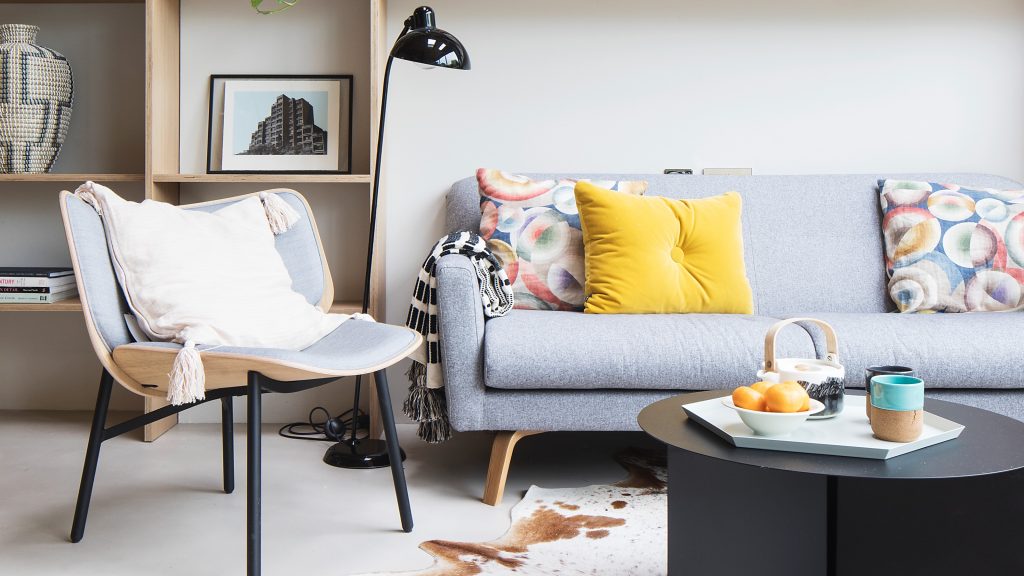
Are you struggling to find the perfect color to brighten up your small living room? Choosing the right shade can make a huge difference, making your space feel bigger, cozier, and more inviting.
Imagine walking into your living room and instantly feeling calm, refreshed, and comfortable. That’s exactly what the right colors can do for you. Keep reading to discover simple, smart color ideas that will transform your small living room into a stylish and spacious haven.
Credit: www.youtube.com
Choosing Light Colors
Choosing light colors for a small living room can open up the space and make it feel more inviting. Light shades reflect natural light better, brightening every corner. They create an airy and spacious atmosphere that helps the room appear larger than it is. Light colors also provide a clean and fresh look that can easily match different styles and decorations.
Benefits Of Whites And Creams
Whites and creams are classic choices for small living rooms. These shades make walls look bright and clean. They reflect sunlight well, making the room feel open and fresh.
These colors offer a neutral base that matches any furniture or decor. Whites and creams create a calm and peaceful environment. They also help highlight artwork or colorful accents without clashing.
Soft Pastels For A Cozy Feel
Soft pastel colors add warmth without closing in the space. Light blues, pinks, and greens create a gentle, welcoming vibe. These tones soften the room’s edges and add personality.
Pastels work well with natural light, enhancing the room’s brightness. They provide a subtle color touch that keeps the space cozy but not crowded. These colors are perfect for creating a relaxing and cheerful living room.
Using Bold Colors Strategically
Choosing bold colors for your small living room can be a game-changer. Bold hues can energize a space and create a distinct personality. However, using them strategically is crucial to avoid overwhelming the room.
Accent Walls To Add Depth
An accent wall can transform a small living room by adding depth without overpowering the space. Consider painting one wall in a vibrant color like teal or mustard. This technique draws the eye and creates a focal point. Have you ever walked into a room and felt instantly drawn to a striking wall? That’s the power of an accent wall.
When selecting a bold color, think about how it complements the rest of your decor. A deep blue accent wall can beautifully contrast with lighter furniture. This contrast not only enhances the room’s aesthetic but also makes it feel larger.
Color Blocking For Visual Interest
Color blocking is a fantastic way to incorporate bold colors without overwhelming your small living room. By using blocks of color, you can highlight certain areas or features of the room. Imagine pairing a bright orange sofa with a royal blue rug; the visual impact is undeniable.
Mixing bold colors with neutrals can create a balanced look. You might choose bold cushions or artwork to add a pop of color. Have you considered how these small touches can make your space feel more dynamic? Experimenting with different color combinations can lead to surprising results.
By strategically using bold colors, you can elevate your small living room into a vibrant and welcoming space. What bold color will you introduce to your living room today?
Incorporating Neutrals
Neutrals are your best friend when decorating a small living room. They create a calm and spacious feel without overwhelming the space. Using shades like white, gray, and beige can make your room look brighter and more inviting.
Balancing With Grays And Beiges
Gray and beige are versatile neutrals that add depth without shrinking your room. You can paint walls in a soft gray and add beige furniture to create balance. Try pairing a cool gray sofa with warm beige cushions to keep the space lively yet grounded.
Think about how these tones work with your lighting. Natural light makes grays look cooler and beiges warmer, so adjust your choices based on your room’s exposure. Are you aiming for a cozy or modern vibe? Your gray and beige balance will set the mood.
Mixing Textures For Warmth
Neutrals don’t have to feel cold or boring. Adding different textures will bring warmth and interest to your small living room. For example, a plush beige rug with a smooth gray leather chair creates contrast and comfort.
Use textiles like wool, linen, or velvet to add layers without adding color. This keeps your space feeling soft and inviting while maintaining a clean look. What textures can you add to your room today to make it feel more welcoming?
Color Combinations To Expand Space
Choosing the right color combinations can make a small living room feel larger and more open. The right mix of colors creates depth and light, expanding the space visually. It helps balance the room’s elements and invites a calm, airy feeling.
Monochromatic Schemes
Monochromatic color schemes use different shades of one color. This approach creates a smooth, unified look that makes walls and furniture blend seamlessly. Lighter tones reflect light, making the room feel spacious and bright.
Use varying textures and patterns to add interest without breaking the color flow. For example, soft beige walls, cream sofas, and light brown accents create warmth while keeping the space open. This scheme reduces visual clutter and feels relaxing.
Complementary Colors For Contrast
Complementary colors sit opposite each other on the color wheel. Using these colors adds bold contrast and energy to a small space. Pairing soft blues with warm oranges or gentle greens with blush reds creates visual excitement.
Keep the balance by using one dominant color and a touch of its complement. This prevents the room from feeling too busy or cramped. Small accents like cushions, rugs, or artwork are perfect for this method. It draws the eye around the room, making it seem larger.
Color Tips For Furniture And Accessories
Choosing the right colors for furniture and accessories can transform a small living room. The right shades create a feeling of space and light. Colors affect mood and perception. Thoughtful color choices make the room feel bigger and welcoming.
Choosing Upholstery Colors
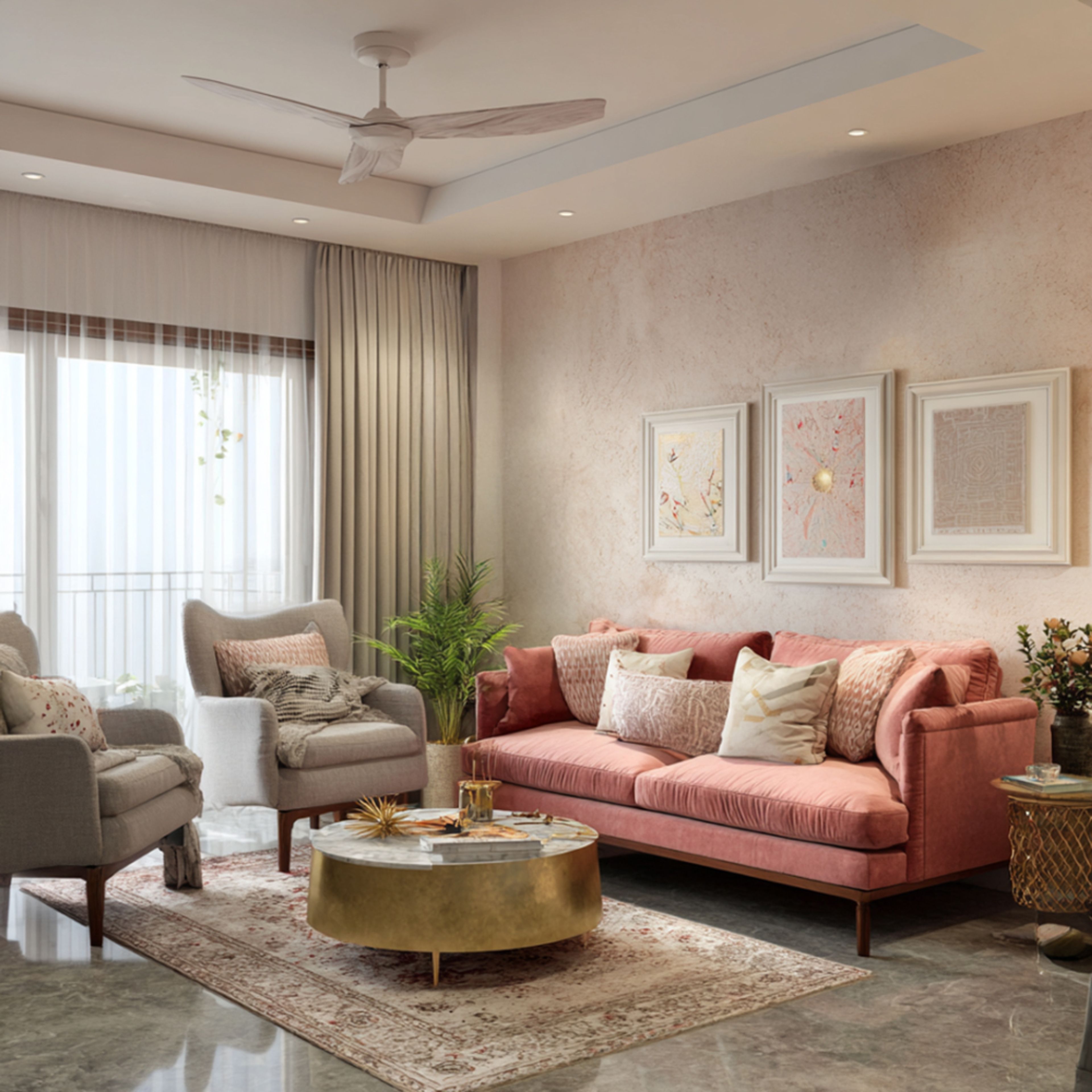
Light and neutral colors work best for small spaces. Shades like beige, soft gray, or pale blue open up the room visually. Avoid dark upholstery which can make the space feel tight and heavy. Choose fabrics with a matte finish to reduce glare. Textures add interest without overwhelming the room. Patterns should be small and subtle to keep the look light. Consider mixing a few soft tones for depth without clutter.
Using Rugs And Curtains To Enhance Space
Rugs and curtains define areas and add warmth. Use light-colored rugs to brighten the floor area. Rugs with simple patterns or solid colors help maintain a clean look. Curtains in sheer fabrics or light tones allow natural light to flow in. Avoid heavy, dark curtains that block light and shrink the space. Match curtains closely with wall colors for a seamless effect. Layering textures in rugs and curtains adds comfort and style without crowding.

Credit: www.youtube.com
Lighting And Color Interaction
Lighting plays a key role in how colors appear in a small living room. The interaction between light and color changes the room’s mood and size perception. Light can make colors look brighter or duller. It can also affect how warm or cool a color feels. Understanding this interaction helps choose the best colors for your space.
Natural Light Effects On Color
Natural light changes throughout the day. Morning light is soft and warm, making colors like beige and soft yellows glow gently. Afternoon light is cooler and brighter, which sharpens blues and greens.
South-facing rooms get the most sunlight, making colors appear vivid and lively. North-facing rooms have less light, so pale colors work better to keep the space bright.
- Bright natural light enhances cool colors like blue and gray.
- Warm morning or evening light makes warm colors like peach and gold cozy.
- Natural light can reveal true color shades better than artificial light.
Artificial Lighting To Boost Ambiance
Artificial lights change how colors look at night or in rooms with little sunlight. Warm white bulbs bring out warm tones in walls and furniture. Cool white bulbs highlight cooler hues, like whites and blues.
Layering different light sources adds depth and comfort. Use overhead lighting for general brightness. Add lamps or wall lights to create soft, inviting spots.
- LED lights save energy and come in warm or cool tones.
- Dimmer switches let you adjust light to fit the mood.
- Reflective surfaces like mirrors boost artificial light and color brightness.
Common Color Mistakes To Avoid
Choosing the right colors can transform a small living room. Avoiding common mistakes helps create a bright, welcoming space. Colors affect how spacious and comfortable the room feels. Some errors make the room look smaller or chaotic. Here are common color mistakes to avoid for a small living room.
Overwhelming Dark Shades
Dark colors absorb light, making rooms feel tight. Using too much dark paint can shrink the space visually. Walls painted in deep hues may create a heavy atmosphere. Dark shades work better as accents, not main colors. Choose lighter tones to keep the room open and airy. Use dark colors in small doses like pillows or rugs.
Clashing Color Palettes
Mixing colors that do not match causes visual discomfort. Too many bright or bold colors can make the room look messy. Avoid combining colors that fight for attention. Use a simple color palette with 2-3 harmonious shades. Soft neutrals and pastels blend well in small spaces. A balanced palette creates a calm and cozy feel.
Credit: www.livspace.com
Frequently Asked Questions
What Colors Make A Small Living Room Look Bigger?
Light colors like whites, creams, and pastels reflect more light, creating an airy and spacious feel. They visually open up the room and reduce cluttered appearances, making small living rooms appear larger and more inviting.
Are Dark Colors Suitable For Small Living Rooms?
Dark colors can work if balanced properly. Use them on accent walls or furniture to add depth without overwhelming the space. Pair dark shades with plenty of natural light and lighter decor for a cozy yet spacious feel.
How Do Warm Colors Affect Small Living Rooms?
Warm colors like soft yellows and peaches create a welcoming and cozy atmosphere. They add warmth without shrinking the space visually, especially when combined with neutral tones and good lighting to enhance openness.
Can Bold Colors Be Used In Small Living Rooms?
Yes, but sparingly. Use bold colors on accessories or a single accent wall. This adds personality and vibrancy without making the room feel cramped or cluttered.
Conclusion
Choosing the right colors makes a small living room feel bright and open. Light shades like white, soft gray, or pale blue work well. They create space and calmness. Adding a few bold accents brings life without crowding. Keep walls and furniture light to avoid a cramped look.
Use mirrors and natural light to enhance the effect. Small rooms can look stylish and cozy with smart color choices. Simple steps lead to a fresh, inviting space everyone will enjoy.