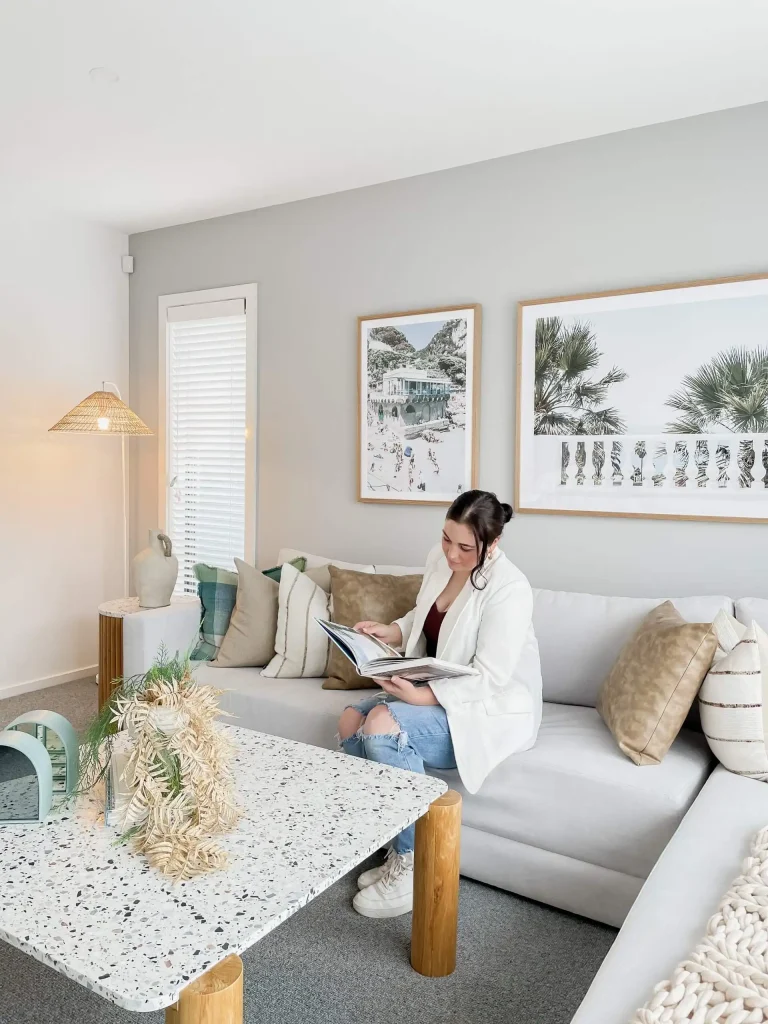
How often should you decorate your living room? It’s a question that many people wonder about but rarely find a clear answer to.
Your living room is more than just a space—it reflects your personality and sets the mood for your home. Changing it too often can feel overwhelming and expensive, while waiting too long might leave your space feeling dull or outdated.
You’ll discover simple tips to help you decide the perfect timing for refreshing your living room. Keep reading to learn how to keep your space inviting, stylish, and just right for you.
Signs It’s Time To Redecorate
Knowing when to redecorate your living room can improve your home’s comfort and style. Certain signs show it is time to refresh your space. These signs help keep your living room inviting and up to date.
Outdated Styles
Old trends can make your living room look dull. Colors, furniture, and decor from past decades may feel out of place. A fresh style can brighten the room and reflect your current taste. Styles that no longer suit your personality often signal a need for change.
Wear And Tear
Visible damage on furniture or walls reduces your room’s appeal. Faded paint, stained carpets, and worn cushions show use over time. These signs suggest it’s time to update and repair. Fixing wear and tear keeps your living room cozy and fresh.
Changing Needs
Life changes affect how you use your living room. Growing family, new hobbies, or working from home may require new layouts. Adjusting furniture and decor helps meet these new needs. When your living room no longer fits your lifestyle, redecorating is a smart choice.
Factors Influencing Redecoration Frequency
Personal style, budget, and lifestyle changes often affect how frequently you redecorate your living room. Seasonal trends and room wear also play a role in deciding when to refresh your space.
Decorating your living room is a fun and creative task, but determining how often to refresh its look involves several factors. While some might change their decor based on whims, others may need to consider practical constraints. Let’s dive into the factors that can influence how often you might want to redecorate your living room.Personal Style Changes
Your personal style evolves over time. Maybe you’ve developed a love for minimalist aesthetics or discovered a passion for vibrant colors. Each change in your taste can be an opportunity to reimagine your living space. Consider how your living room reflects who you are right now. Is it a true representation, or do you feel a disconnect? Keep in mind that your home should be a sanctuary that resonates with your current self.Budget Constraints
Budget plays a significant role in how often you can afford to redecorate. While a full makeover might be out of reach, small updates can make a big impact without breaking the bank. Consider swapping out cushions, adding a new rug, or painting a wall. These simple changes can refresh your space on a budget. How can you creatively work within your financial limits to keep your living room feeling fresh?Seasonal Trends
With each season comes a wave of new trends that might inspire you to make changes. Whether it’s the cozy vibes of fall or the bright, airy feel of spring, seasonal decor can transform your living room. Think about incorporating seasonal elements like throws, plants, or artwork. How can you keep your space lively and in tune with the seasons without overhauling everything? By focusing on these factors, you can make informed decisions about when and how to update your living room, ensuring it remains a space you love and enjoy.Popular Redecoration Timelines
Choosing how often to redecorate your living room depends on your style and lifestyle. Some people prefer small changes often. Others like big makeovers less often. Knowing popular timelines helps plan your updates without stress.
Here are common schedules people follow for redecorating their living rooms.
Annual Updates
Annual updates keep your living room fresh and lively. These changes are small and easy to do. Swap cushions, add new throws, or change wall art. It costs less and takes little time. Annual updates let you try new trends without big commitment.
Every Few Years
Many redecorate every two to five years. This timeline suits those who want noticeable changes. Replace furniture, repaint walls, or change lighting. It balances budget and style. These updates refresh the room’s look and feel without rushing.
Decade Makeovers
Decade makeovers involve a full redesign every ten years. This is for people who prefer major changes. Choose new layouts, flooring, and furniture. It takes more time and money but creates a whole new atmosphere. A decade makeover can reflect life changes and evolving tastes.

Credit: www.instagram.com
Budget-friendly Decorating Tips
Decorating your living room doesn’t have to drain your wallet. With some creativity and effort, you can refresh your space on a budget while still making it feel fresh and inviting. Let’s look at some practical ways to decorate without overspending.
Diy Projects
Taking on DIY projects can save you a lot of money and add a personal touch to your living room. Painting old picture frames or creating your own wall art can completely change the vibe of the space.
Think about simple crafts like making your own throw pillows or sewing new cushion covers. These small efforts can make a big difference and give you a sense of accomplishment.
Repurposing Furniture
Before buying new furniture, look at what you already have. Can an old coffee table be sanded and painted to look brand new? Maybe an unused chair can be recovered with fresh fabric to match your current style.
Repurposing saves money and reduces waste. It also challenges you to see your belongings in a new light—what could you transform today?
Accent Pieces
Adding or updating accent pieces is a cost-effective way to refresh your living room. A new rug, some colorful cushions, or a stylish lamp can change the entire mood without a full makeover.
Try shopping at thrift stores or local markets for unique finds that won’t break the bank. How could one small item brighten your space this week?
Maintaining A Timeless Living Room
Keeping your living room stylish without constant redecorating can save you time and money. A timeless living room blends comfort with enduring appeal, making it a space you enjoy year after year. You don’t have to follow every trend to have a fresh look; focusing on classic design principles can keep your space inviting and relevant.
Neutral Color Palettes
Neutral colors create a calm and versatile backdrop for any living room. Shades like beige, gray, and soft whites let you add personality through accessories without overwhelming the space.
Think about the last time you changed your wall color; did it feel like a fresh start or a hassle? Neutral walls allow you to switch up cushions, rugs, or curtains easily, giving your room new life without repainting.
Classic Furniture Choices
Investing in well-made, classic furniture pays off over the years. Pieces with clean lines and sturdy materials withstand changing tastes and wear.
Consider a sofa with a timeless shape or a wooden coffee table that won’t go out of style. These choices anchor your room and let you play with other décor elements more freely.
Minimalist Approach
Less is often more when aiming for a timeless look. A minimalist setup avoids clutter and highlights key design elements, making your living room feel spacious and organized.
Ask yourself: do all items in your room serve a purpose or bring you joy? Keeping only what you love and need helps maintain a fresh, lasting atmosphere without frequent redesigns.
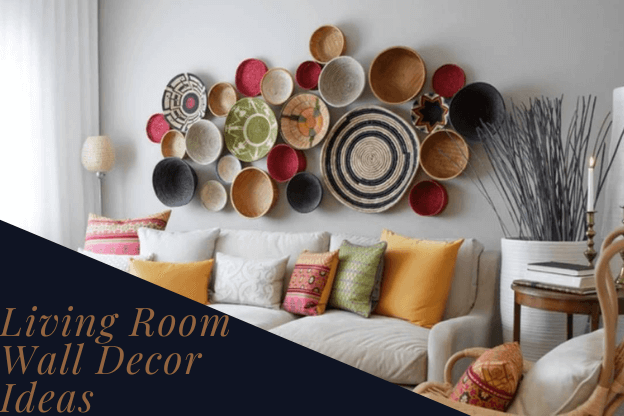
Credit: allaroundmoving-com.medium.com
Incorporating Trends Without Overhauling
Updating your living room to reflect current styles doesn’t mean tearing everything down and starting fresh. You can keep the space feeling modern and inviting by making small, thoughtful changes that bring in new trends without a full overhaul. This approach saves time, money, and lets you maintain the core elements you love while still refreshing the vibe.
Seasonal Accessories
Switching out small items like cushions, throws, and decorative objects with the seasons can instantly update your living room. Think cozy textures and warm colors for fall, light fabrics and bright hues for summer. These swaps are easy and affordable, and they help you enjoy the latest trends without a major commitment.
Have you noticed how a simple seasonal change can lift your mood when you walk into your living room? Adding a few trendy vases or candles can make all the difference.
Artwork And Textiles
Changing up artwork and textiles is a smart way to keep your living room feeling fresh. New prints or framed photos can set a different tone or highlight colors you want to emphasize. Swapping out rugs or curtains introduces texture and style shifts that reflect current trends without a full redesign.
If you’ve hesitated to update your art because it feels permanent, try leaning into prints or removable wall decals. They’re flexible and let you experiment with what feels right right now.
Lighting Updates
Lighting can transform the entire atmosphere of your living room. Adding trendy lamps, changing lampshades, or using smart bulbs to adjust color temperature can subtly modernize your space. These changes are practical and can be done without disrupting your existing setup.
Think about the last time you changed a light fixture or added a floor lamp—did it make the room feel different? Lighting tweaks can be surprisingly powerful in keeping your space current without big expenses.
Professional Help Vs. Diy
Deciding how often to update your living room style often comes down to choosing between professional help and doing it yourself. Both options have unique benefits and challenges that can influence the final outcome and your satisfaction with the space.
Understanding when to bring in a professional or when to trust your own instincts can save you time, money, and stress. Let’s look at key points to consider for each approach and how you might blend them for the best results.
When To Hire A Designer
Hiring a professional designer makes sense if you want a polished, cohesive look without the guesswork. Designers can help you avoid costly mistakes by guiding your choices in furniture, color schemes, and layout.
Consider bringing in a designer if your living room has complex needs, like structural changes or custom furniture. They also add value when you want to increase your home’s resale potential or create a specific atmosphere that reflects your lifestyle.
Self-redecoration Tips
Taking on your living room makeover yourself can be highly rewarding and budget-friendly. Start small by swapping out pillows, rugs, or wall art to refresh the space without a major overhaul.
Use online resources and apps to visualize new layouts or colors before making purchases. Experiment with DIY projects like painting an accent wall or building simple shelves to add personality without professional costs.
Combining Both Approaches
You don’t have to choose strictly between professional help or DIY. You can hire a designer for the big decisions and do the smaller updates yourself.
- Ask a designer for a floor plan and color palette, then shop and decorate on your own.
- Use professional advice to select key pieces, while personalizing with DIY decor and accessories.
- Schedule a consultation to get expert feedback before you start your DIY projects.
How could balancing expert guidance with your own creativity change the way you view decorating? This mixed approach often leads to a unique, satisfying living room that truly feels like home.
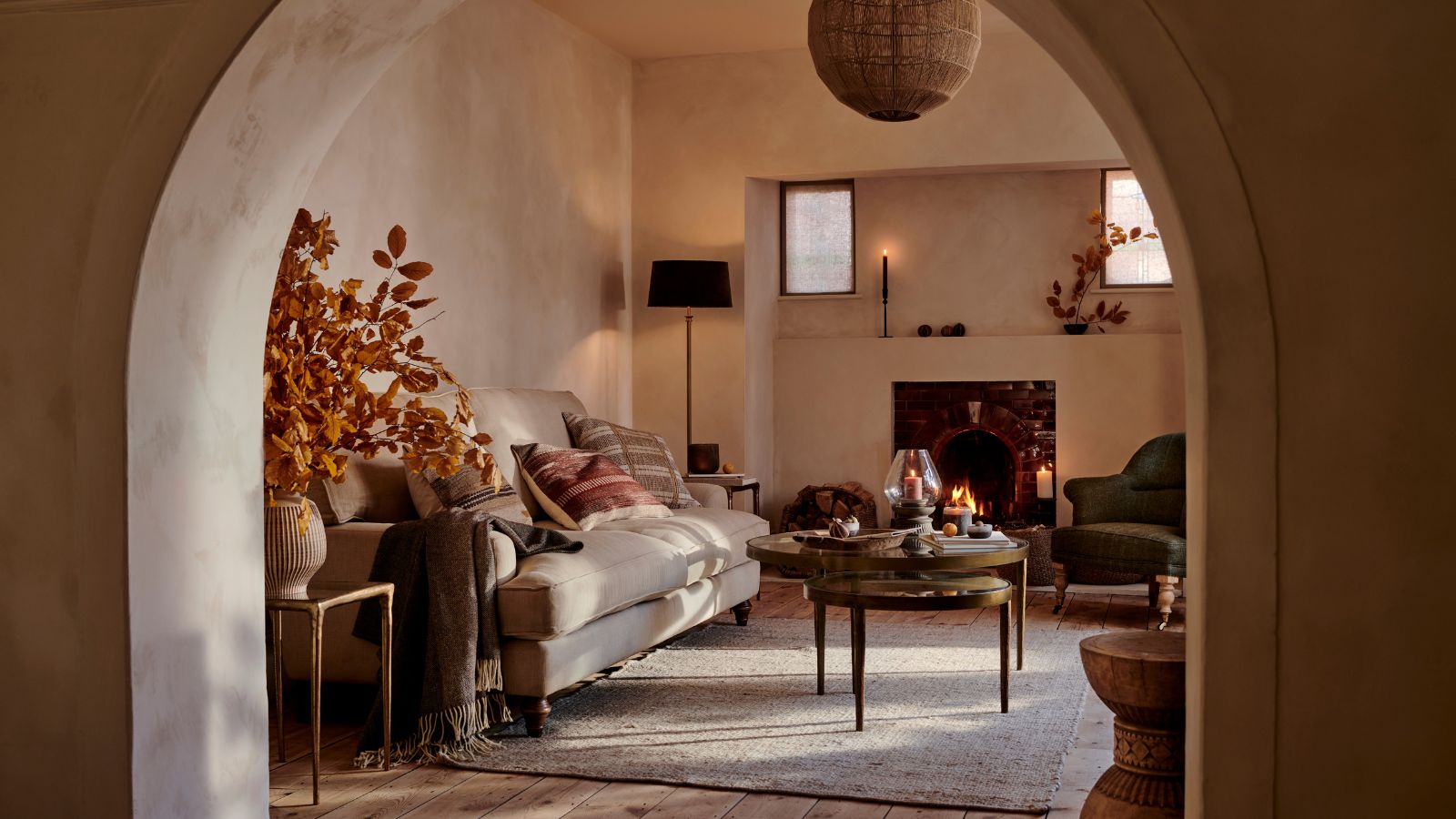
Credit: www.homesandgardens.com
Frequently Asked Questions
How Often Should I Refresh My Living Room Decor?
Refreshing your living room decor every 6 to 12 months keeps it vibrant. Small changes like cushions or artwork maintain freshness without major renovations.
When Is The Best Time To Redecorate A Living Room?
The best time to redecorate is during seasonal changes or before special occasions. This timing helps align decor with trends and personal preferences.
How Can I Update My Living Room Without Full Redecorating?
Use accessories like throw pillows, rugs, or curtains to update your living room. These items add style quickly and affordably without a complete makeover.
Why Is Regular Living Room Decoration Important?
Regular decoration boosts comfort and reflects your personality. It also helps maintain a welcoming and stylish environment for guests and family.
Conclusion
Refreshing your living room depends on your style and comfort. Some like small changes often. Others prefer big updates less often. Keep your space cozy and inviting. Choose colors and items that make you happy. Small touches can brighten your room anytime.
Don’t rush; enjoy decorating at your own pace. A well-kept living room feels fresh and welcoming always.